
MDF Global MDF Global
Apple’s iPhone boom highlights critical minerals powering smartphones•Presenting a united front for Queensland’s copper sector•Thailand seeks Myanmar mine access amid arsenic pollution•Egypt to set up state-backed company to license artisanal gold miners, free detainees•Brixton closes $7.4 million raise for Thorn, Langis projects•Heliostar banks record $78.7 million for Ana Paula push•Mining giants bet billions on 2030 supply crunch•Gunnison Copper reports Q3 output, revenue surge•Triumph Gold targets $15.46 million for Yukon push•African Rainbow Minerals faces a jobs dispute at Nkomati mine•Angola seeks 10% stake in De Beers under Anglo’s proposed exit•Gold price rebounds but heads for biggest weekly loss since June•Teck copper strike reaches BC port as operator sues union•Copper benchmark rocked by miner-smelter tug-of-war•Zimbabwe mining bill targets community, environmental safeguards•Mount Isa critical minerals hub secures Feasibility Study funding•Eramet initiates $814.5 million capital raise to reduce debt•Richemont backs natural gemstones, declines De Beers comment•‘Tis the season for administration as Comlek falls a second time•OceanaGold Philippines trials wireless blasting at Didipio mine Apple’s iPhone boom highlights critical minerals powering smartphones•Presenting a united front for Queensland’s copper sector•Thailand seeks Myanmar mine access amid arsenic pollution•Egypt to set up state-backed company to license artisanal gold miners, free detainees•Brixton closes $7.4 million raise for Thorn, Langis projects•Heliostar banks record $78.7 million for Ana Paula push•Mining giants bet billions on 2030 supply crunch•Gunnison Copper reports Q3 output, revenue surge•Triumph Gold targets $15.46 million for Yukon push•African Rainbow Minerals faces a jobs dispute at Nkomati mine•Angola seeks 10% stake in De Beers under Anglo’s proposed exit•Gold price rebounds but heads for biggest weekly loss since June•Teck copper strike reaches BC port as operator sues union•Copper benchmark rocked by miner-smelter tug-of-war•Zimbabwe mining bill targets community, environmental safeguards•Mount Isa critical minerals hub secures Feasibility Study funding•Eramet initiates $814.5 million capital raise to reduce debt•Richemont backs natural gemstones, declines De Beers comment•‘Tis the season for administration as Comlek falls a second time•OceanaGold Philippines trials wireless blasting at Didipio mine

Battery Age Minerals bumps interest in Bleiberg to 51%

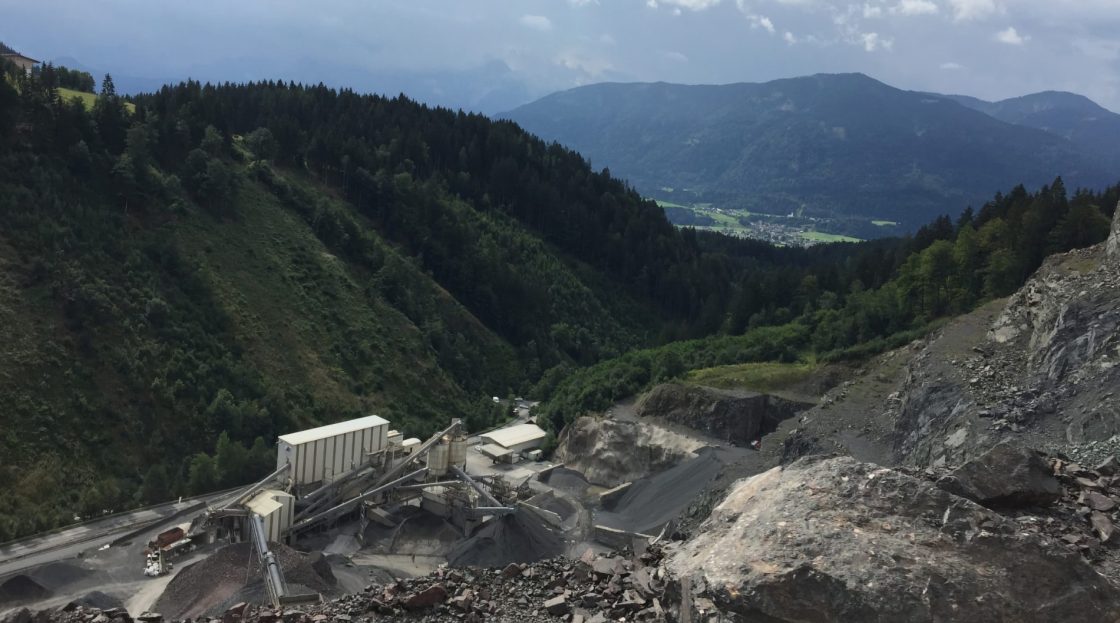
Battery Age Minerals (ASX:BM8) has negotiated an addendum to the joint venture earn-in agreement for its Bleiberg Zinc-Germanium Project in Austria, resulting in increasing its interest to 51%. 

Under the revised terms of the agreement, Battery Age will move 51% interest in the Bleiberg project through the issuance of previously agreed shares. 

Both parties have also agreed to extend the phase three earn-in period whereby Battery Age may acquire a further 14% in the joint venture, by expanding the agreed C$3.5 million ($3.84 million) over the next 36 months rather than 24 months. 

The phase four earn-in period will also be extended, whereby Battery Age may acquire an additional 15% interest, totalling 80% in the project, upon completing a Bankable Feasibility Study within the next 6.5 years. 

Battery Age, which has a market capitalisation of $9.64 million, has agreed to issue the joint venture partners an additional 210,000 fully paid ordinary shares. 

CEO Nigel Broomham says the agreement represents a milestone for the company as it solidifies Battery Age’s commitment to advance Bleiberg while immediately consolidating its ownership position. 

“The extension to the phase three and four earn-in gives the opportunity to leverage our development expertise and maximise our involvement in the venture, ensuring that the project continues to move forward in an expeditious manner,” he says. 

“The recent acquisition of over 100 years of data from the Bleiberg Mine — coupled with ongoing desktop work and exploration targeting and now this negotiated addendum to the joint venture agreement — means we are well placed to advance the Blieberg Project.”

Zinc is used in alloys such as brass, nickel silver, and aluminium solder. The mineral is widely used in the manufacture of products such as paint, rubber, cosmetics, pharmaceuticals, plastics, inks, sopas, batteries, textiles, and electrical equipment. 

Meanwhile, germanium is used in the semiconductor industry. The element is used to make transistors for use in electrical devices and to create alloys.

Write to Aaliyah Rogan at Mining.com.au   

Images: Battery Age Minerals

Add to Watch List:
Author Image
Written By Aaliyah Rogan
Originally from New Zealand, Aaliyah brings several years of experience covering the resources sector, with a focus on companies, commodities and global mining markets. Her reporting has spanned European markets and the evolving global mining landscape, with a focus on the stories and market forces driving change across the sector.