

Junior explorer Askari Metals (ASX:AS2) is changing tack and taking on a ‘traditional’ and ‘systematic’ approach to exploration following its latest round of assay results from its Uis Lithium project in Namibia.
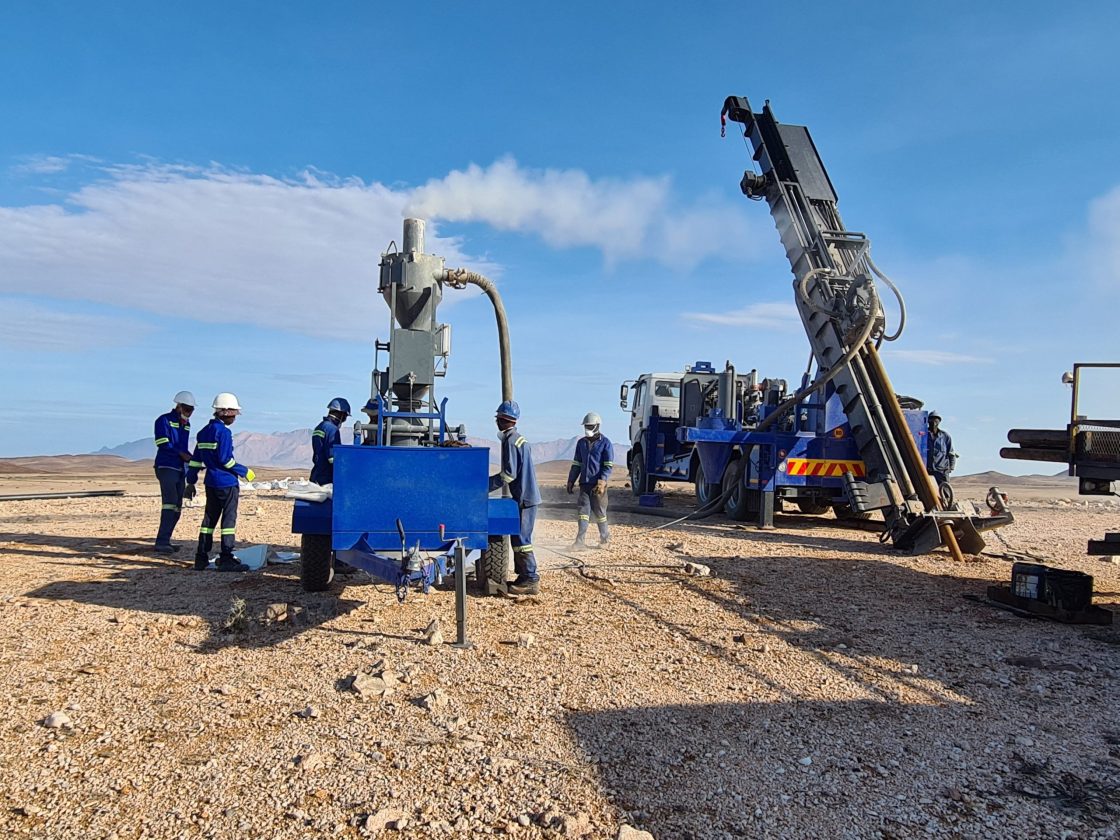
The company has completed two 59-hole drilling programs across its EPIL 7435 and EPL 8535 areas within the project, and the company says it intersected several mineralised ‘sniffs’ through the program.
However, the only notable lithium hit was a one-metre intersection grading 0.87% lithium oxide (Li2O) from hole A7BRC036. Askari says it also struck some ‘reasonable’ tantalum and tin mineralisation, including 3m @ 398 parts per million Ta2O5, including 1m @ 0.11% SnO2.

As such, though Askari previously reported some other notable hits from the areas, Chief Exploration and Project Manager for Africa Cliff Fitzhenry says the latest results draw a ‘line in the sand’ from the previous exploration approach adopted by the company.
“Although mineralised ‘sniffs’ have been intersected by the drilling, the current exploration programme underway at the Uis project has been planned irrespective of these results as part of the switch to a more systematic exploration model.
Although some of the EPL 7345 phase one drilling was located at the OP and DP targets, these holes were not optimally and adequately located.
Our current exciting suite of targets on EPL 7345 (being OP, PS, DP and K9) therefore haven’t been adequately and systematically sampled to date.
These targets are all highly prospective for lithium mineralisation and are located within the previously identified ‘corridor of interest’ on EPL 7345 and are currently being tested through a 137 Phase 1 trenching programme totalling some 4,200m.”
“These targets are all highly prospective for lithium mineralisation and are located within the previously identified ‘corridor of interest’ on EPL 7345”
Askari says while the latest assays provide some geochemical data that supports geochemical pegmatite fractionation trends and helps with future drill targeting, the RC results should not be considered representative of the wider lithium potential of the project.
The company believes its new traditional and systematic trenching program will generate some high-confidence, ‘robust’ drill targets, which Askari plans to drill test in the first quarter of 2024.
Askari Metals had $1.293 million cash and cash equivalents at hand as of 30 September 2023, according to its latest quarterly report.
Write to Joshua Smith at Mining.com.au
Images: Askari Metals