

Aguia Resources (ASX:AGR) has been buoyed by a surging phosphate price ahead of its production plans at the Tres Estrades Project in Brazil slated for early 2026.
The company intends to commercialise an initial 100,000 tonnes per annum with a $3.2 million cost before expanding to 300,000 tonnes per annum with an additional $4.2 million expenditure.
The Definitive Feasibility Study in 2023 with the February 2025 review of the economic modelling returned a total of $7.2 million capital expenditure for Aguia over 2025 and 2026.
Phosphate produced at Tres Estrades is expected to cost between $55-70 per tonne, with plant leasing costs included in this figure, to return the product at $153 per tonne.
The total earning before interest, taxes, depreciation, and amortisation has been bolstered to $298 million with this sale price.
Executive Chairman Warwick Grigor says while the company’s Santa Barbara Gold Project retains a lot of investor attention, shareholders should keep an eye on the Tres Estrades Phosphate Project as it prepares for production early next year.
“This is developing as a stand-alone business division in Brazil with its own strong growth curve,” Grigor says.
“It represents a low technical risk business aiming to deliver into strong product demand at a time of high phosphate prices.”
As Mining.com.au reported, Aguia is progressing discussions with offtake companies that have expressed an interest in forward sales and financing. In June 2025, the company was offered financing of up to $4 million from Brazil’s Southern Development Bank for Tres Estradas’ development, as well as Pampafos processing facility in Brazil. Aguia directors are still discussing the terms.
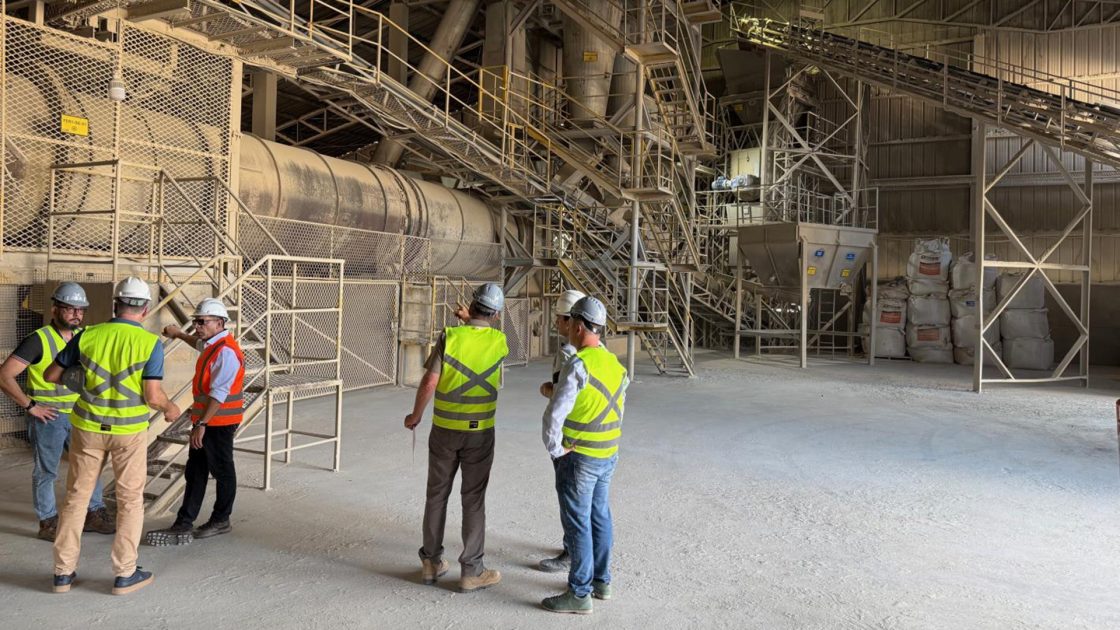
Funding will enable Aguia to start mining operations as well as upgrade the processing facility, which has been leased from Dagoberto Barcellos.
Trading Economics reports the spot price of diammonium phosphate to have risen 39.94% over the last year, marked at US$751.5 per tonne as demand surges.
Phosphate is often mined for its phosphorus materials, which is an essential nutrient for plant and animal life.
According to Energy and Mining South Australia, 90% of the mined materials use is to produce chemical fertiliser for plants.
Write to Maddison Elliott at Mining.com.au
Images: Aguia Resources