Zambia plans to accept payments in Chinese renminbi (RMB) for some of its copper exports from 2027, as more African countries seek to reduce their reliance on the US dollar.
According to Bank of Zambia Governor Denny Kalyalya, the arrangement will initially involve Chinese mining companies operating in the country, which already pay some of their taxes in RMB.
“That’s the starting point,” Kalyalya told Bloomberg on the sidelines of the International Monetary Fund’s annual meetings in Bangkok this week.
“We also hope that new lending could also be denominated in renminbi. That would help a great deal.”
Zambia, Africa’s second-largest copper producer, is also in discussions with Beijing over a potential currency swap agreement, which could support greater use of RMB in bilateral trade.
Kalyalya said settling copper sales in the Chinese currency could help advance those discussions.
The move builds on Zambia’s decision to allow Chinese miners to pay some taxes and royalties in RMB, a practice that began in October 2025.
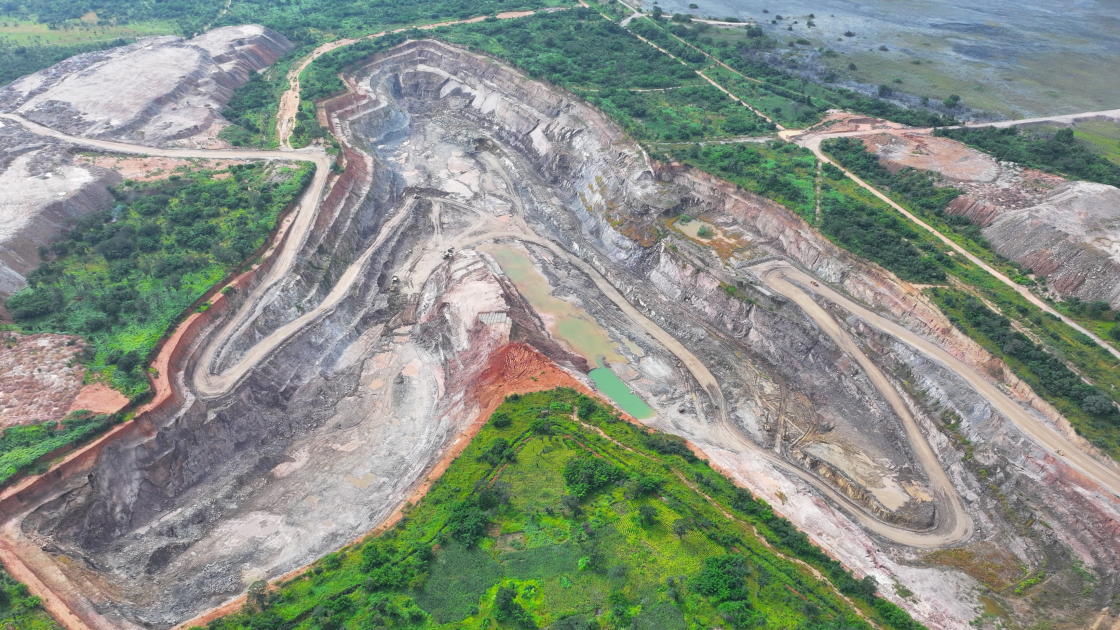
Several major copper operations in Zambia are majority owned by Chinese firms. These include the Chambishi and Luanshya mines, operated by subsidiaries of China Nonferrous Mining Group (HKG:1258).
African shift to RMB
Zambia’s plans reflect a broader shift among African countries towards greater use of RMB, supported by their expanding trade and financial relationships with China.
China is Africa’s largest trading partner and has expanded tariff-free access for goods from dozens of African nations.
Using RMB for trade and debt payments could help African countries reduce currency conversion costs, particularly where their export earnings and borrowing obligations are linked to China.
Kenya has already converted Chinese railway loans from US dollars into RMB, reducing its debt-servicing costs.
Ethiopia has also held discussions with Chinese lenders over a similar arrangement.
China seeks growing influence
For Beijing, wider use of RMB would support its long-running efforts to internationalise the currency and reduce the dominance of the US dollar in global commodity markets.
China has increasingly sought to use its purchasing power to influence commodity pricing, including through negotiations with BHP Group (ASX:BHP) over iron ore contracts.
Earlier this year, BHP agreed to give greater weight to RMB-denominated benchmarks in some of its long-term iron ore contracts with China’s state-backed buying agency.
Chinese commodity exchanges are also seeking to establish RMB-denominated prices for copper, crude oil, and gold as international benchmarks.
For Zambia, greater use of RMB in copper trade could provide another way to strengthen financial ties with China while potentially lowering transaction costs.
However, any broader shift towards the Chinese currency would also expose borrowers and exporters to exchange-rate risks, particularly given RMB’s more limited international liquidity compared with the US dollar.
Write to Jackson Chen at Mining.com.au
Main image: CNMC