


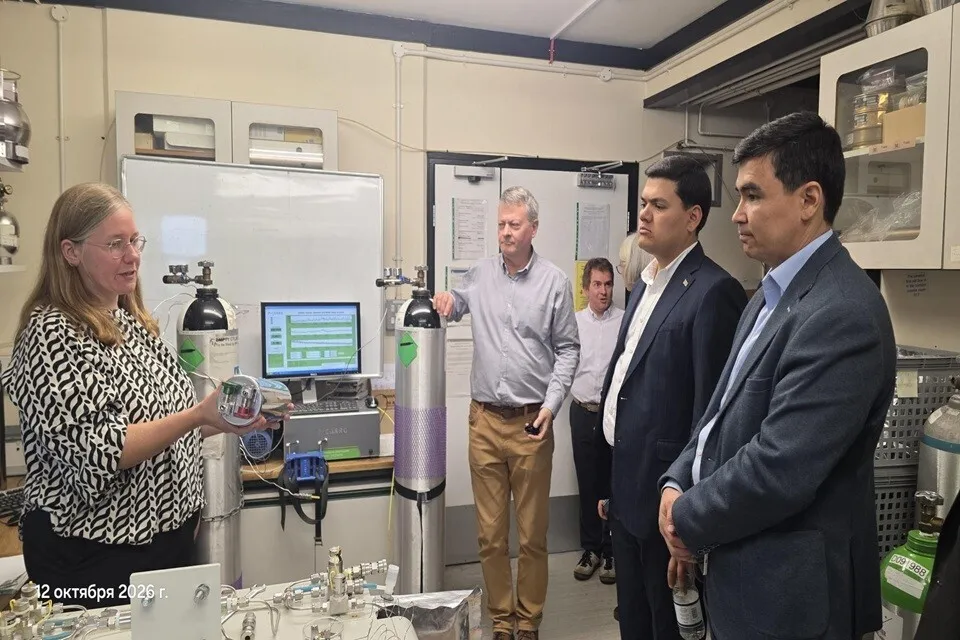
The Turkmenistan delegation visited the UK to explore best practices for monitoring and reducing methane emissions.
Between 1990 and 2023, the UK’s methane emissions decreased by 62%, driven by major cuts in the fuel supply, waste, and agriculture sectors.
Methane is the main component of natural gas, with approximately 60% of global emissions coming from human activity and 40% coming from nature. Cutting methane emissions is considered one of the most effective ways to reduce near-term global warming.
In 2021, the UK Government signed the Global Methane Pledge to reduce global methane emissions by 30% by 2030 compared to 2020 levels. In 2020, methane represented approximately 13% of the nation’s total greenhouse gas emissions.
The Turkmenistan delegation’s recent visit provided an opportunity to explore UK expertise, regulatory approaches, and innovative technologies for monitoring, verifying, and reducing methane emissions in the oil and gas sector.
More about the program
The program took the delegation to key government, scientific, and industrial centres in London, Aberdeen, and Teesside.
In London, the delegation engaged with experts from the Department for Energy Security and Net Zero, the North Sea Transition Authority, the Offshore Petroleum Regulator for Environment and Decommissioning, the Environment Agency, and the National Physical Laboratory.
Sessions explored the UK’s approaches to methane policy and regulation, environmental permits and compliance, and methane measurement, monitoring, and verification.
The program also included technical visits to the St Fergus gas plant in Peterhead and the Central Area Transmission System (CATS) gas terminal in Teesside, alongside engagement with Offshore Energies UK and private sector specialists in London and Aberdeen.
Write to Aaliyah Rogan at Mining.com.au
Main image: Turkmen Delegation at Royal Holloway, University of London


