

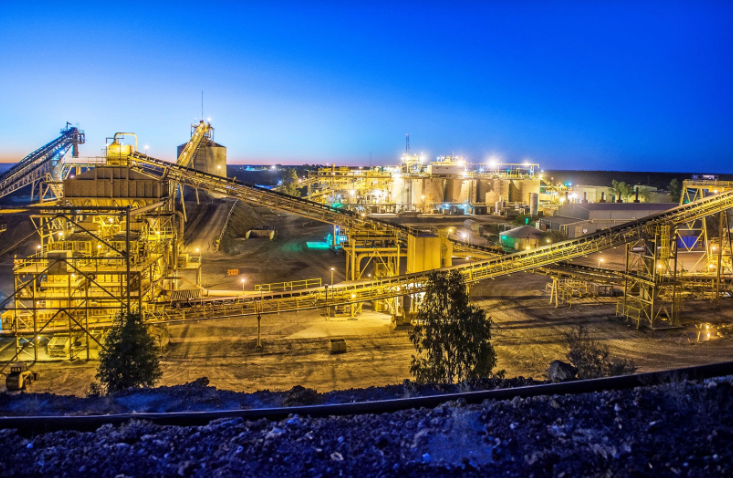
Catalyst Metals’ (ASX:CYL) Plutonic gold mine has made a “transformative” move from analogue to digital operations using mining technology created by RCT-Powered by Epiroc.
The technology shift includes upgrades to existing machines, including Sandvik and CAT loaders with the implementation of RCT’s AutoNav package. This technology allows the mobile machines to navigate autonomously with higher precision, “ensuring increased productivity and a better overall working environment for operators”.
As part of the transition, Catalyst is adopting modular platforms, allowing operators to control the loaders from inside the comfort of a light vehicle that they can drive to the working stope.
With distances between stopes ranging from 3-5km, RCT says this provides a flexible and scalable solution for the site which further drives operational efficiency.
Additionally, these platforms are designed for easy integration with the newly upgraded digital systems on-site, “ensuring seamless communication” and data transfer across vast areas of the mine.
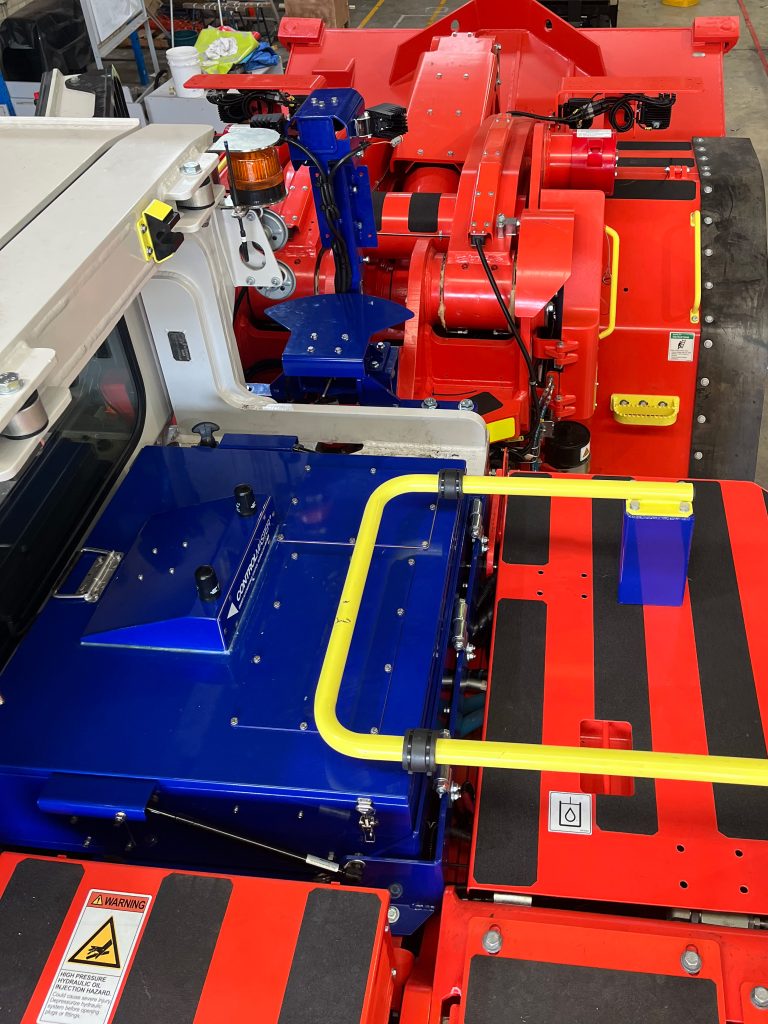
The site has also upgraded its communication network with RCT Connect – an advanced digital wifi solution. This upgrade allows operators and maintenance teams to access real-time diagnostics and receive alerts about potential issues before they lead to costly downtime.
RCT says the digital systems come with higher tolerance and precision, reducing the likelihood of overheating and other mechanical problems that are often associated with analogue.
“Therefore, the result is not just improved performance, but also longer equipment lifespans and lower maintenance costs,” the company adds.
The Plutonic Gold Mine is located some 300km northeast of Meekatharra in the mid-west region of Western Australia, at the northern end of the Eastern Gold Fields Province.
Over the past 21 months, Catalyst has increased and stabilised production at the Plutonic Main underground mine. The company says the focus of the Plutonic Belt operations remains lowering its overall operating risk.
“A stable baseload ore source from the Plutonic Main underground mine provides the foundation for this. However, bringing three new mines across the belt into production will provide our operating team with more ore sources which should reduce future operating risk,” the company says in its latest quarterly report.
During the past quarter, the first of these three new mines, Plutonic East, produced its first stoping ore.
“This development was achieved through operating cashflows generated from the Company rather than raising outside third-party capital. The lower capital costs and short lead time of this development was made possible due to the existing infrastructure and sunk capital of past owners throughout the belt,” the company reports.
Catalyst continues to self-fund its organic growth plans across the Plutonic Gold Belt – doubling gold production across the Plutonic Belt by bringing three mines online for an estimated cost of $31 million.
Write to Adam Orlando at Mining.com.au
Images: RCT & Catalyst