


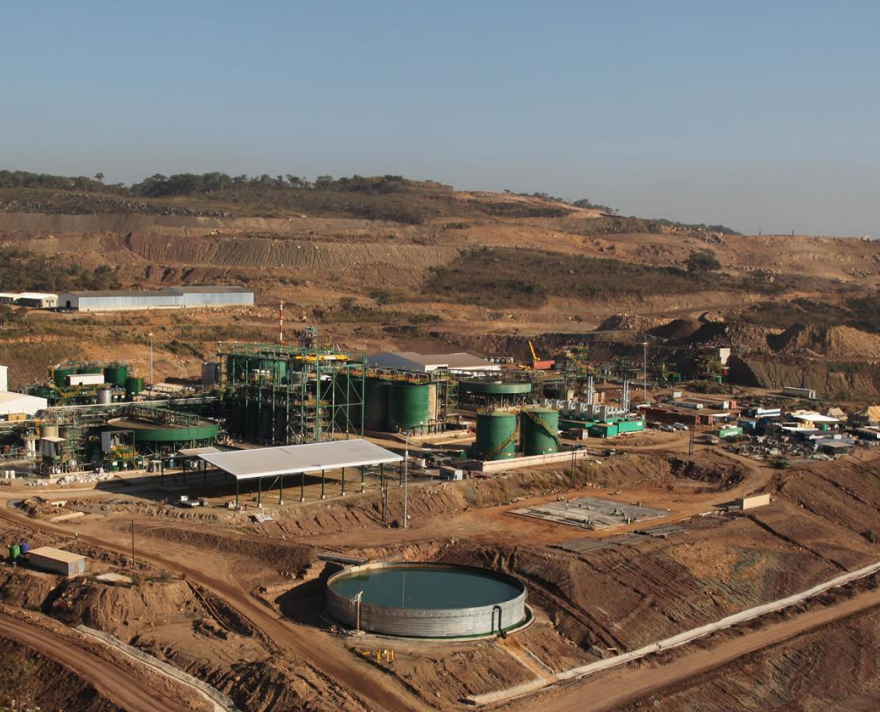
Uranium-focused Lotus Resources (ASX:LOT) has finalised preliminary work programs to target a potential restart of the Kayelekera Uranium Project in late 2025.
The $551.84 million market capitalisation company is focused on meeting the growing supply gap in the utilities reported fuel coverage profile.
Lotus Resources Managing Director Keith Bowes says the company is testing the market for debt and is focused on the potential Kayelekera restart of production, when the supply gap for the nuclear utilities is forecast.
As part of the Kayelekera final investment decision, Lotus will finalise financing and offtake deals, complete negotiations and signing of a Power Supply and Power Implementation Agreement with the Malawi Electricity Utility ESCOM.
This is key to achieving reduced operating costs announced in the Restart Definitive Feasibility Study (DFS) Lotus announced in August 2022.
Lotus will also conduct a front-end engineering and design (FEED) program leading directly into the detailed engineering design phase for executing the restart plan.
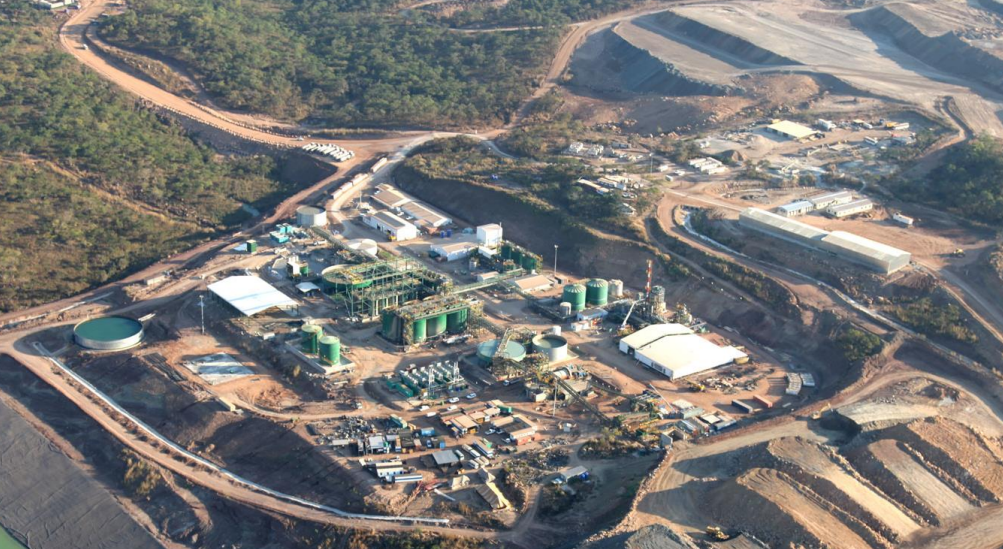
Meanwhile, for Lotus’s Letlhakane Uranium Project in Botswana, Africa, the company has revised its work programs and is updating its budgets for the remainder of the FY24 to manage its resources and define an optimal strategy to maximise the value add for both assets.
Bowes says acquiring Letlhakane through the A-Cap Energy (ASX:ACB) merger, the company has ‘vastly’ increased its resource base of 214 million pounds of uranium, which lies in a ‘top ranked’ global mining jurisdiction of Botswana.
“Lotus has developed an initial program of work bringing its proven uranium skills to optimise Letlhakane’s potential, including updating the Letlhakane mineral resource model and undertaking preliminary testwork to determine the potential of upgrading Letlhakane ore and therefore target a more efficient processing route.”
To test this, Lotus plans to undertake mineral resource remodelling and a resource update in Q2 2024, along with preparing a preliminary geometallurgical model and preliminary mining study.
Lotus will also continue with ore beneficiation testwork to determine the potential for upgrading the ore prior to feeding the main processing plant. This is expected to be reported in Q2 2024.
Upon completing these activities, Lotus will prepare a Scoping Study or Preliminary Economic Assessment (PEA), based on mine planning and beneficiation test results, as well as a selected processing route.
Once completed, the company will initiate an infill drilling program which will be carried out over several seasons due to the expected ‘large-scale’, subject to funding.
The company notes that while Letlhakane is considered a long-term asset, Lotus is focused on restarting its Kayelekera project.
Lotus Resources is a uranium-focused company that owns an 85% interest in the Kayelekera project which sits in Malawi, Africa and is the fourth ‘largest’ uranium asset globally.
As of 30 September 2023, the company had $13.450 million cash and cash equivalents at hand, according to its latest quarterly report.
Write to Aaliyah Rogan at Mining.com.au
Images: Lotus Resources


