

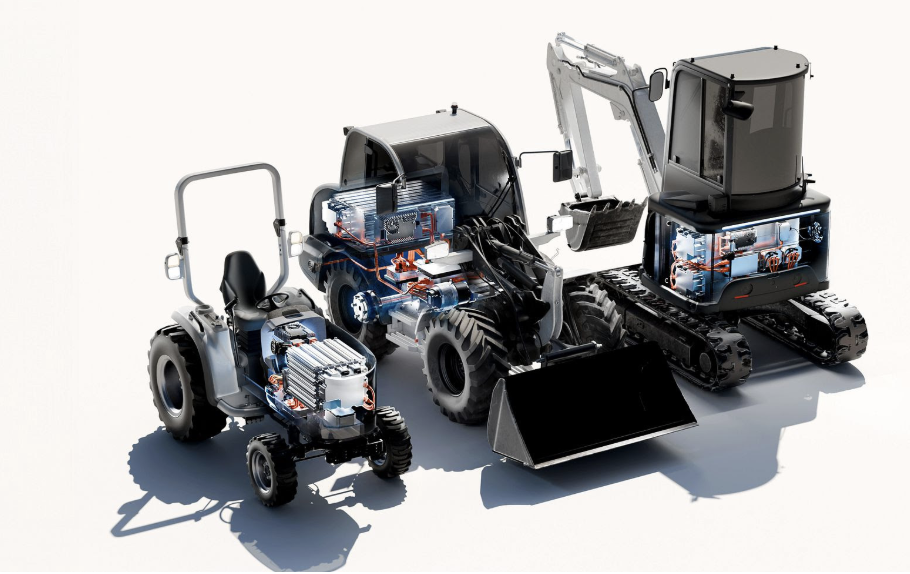
Diesel engine pioneering firm Yanmar is set to launch a new organisation dedicated to advancing electrification in the compact off-highway market segment.
This new electrification unit will begin operations in April 2025 and focus on delivering a diverse portfolio of e-powertrain solutions, including batteries and eDrives. E-Drive refers to components and systems which convert electricity into power in the drive system of an electric vehicle, where the vehicle may be powered by fuel cells, batteries or other power sources, depending on the context.
As a component manufacturer, supplier, and integrator, the new unit will work closely with Yanmar’s long-standing customers to electrify applications such as excavators, wheel loaders, and other industrial machinery.
The new electrification unit will concentrate on three primary product areas – Yanmar-branded industrial machinery, machinery for OEMs, and components and e-powertrains for industrial machinery.
In recent years, Yanmar has heavily invested in research and development to establish itself in the zero-emission technologies space. This includes strategic acquisitions, such as the 2022 acquisition of Eleo Technologies, which has strengthened Yanmar’s battery capabilities.
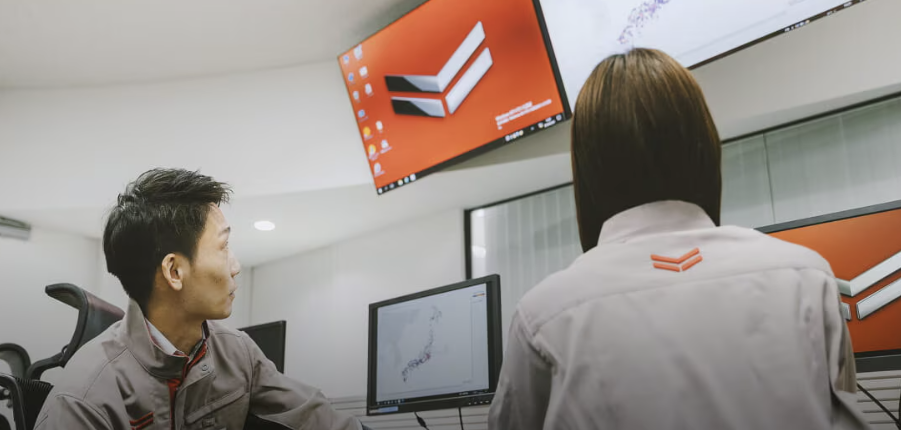
The electrification unit will operate with strategic autonomy. Operating on a global scale, the unit will utilise a global network of teams and resources to ensure worldwide reach and localised expertise.
Yanmar COO Tetsuya Yamamoto says by advancing these key sectors, the unit aims to drive innovation and reinforce Yanmar’s leadership in the transition to zero-emission solutions.
“The development of e-powertrains is crucial for adapting the expertise we have built with diesel engines to a broader range of applications beyond just construction and agricultural machinery, and it represents an important step towards achieving carbon neutrality,” says Yamamoto.
“As we face the challenges of climate change and strive for a sustainable society, it is essential to accelerate the development and adoption of electric powertrains that not only enhance product performance but also contribute to a cleaner, more sustainable future.”
The COO adds that the establishment of the electrification unit aligns with Yanmar’s broader Green Challenge 2050 initiative, reinforcing its commitment to a sustainable future.
In addition to electrification, Yanmar is actively exploring hydrogen and alternative non-carbon fuels, and resource recycling solutions to drive further advancements in environmental responsibility and carbon reduction.
To spearhead this transformative initiative, Marko Dekena has been appointed to lead the electrification unit. With a distinguished career in electric and alternative energy powertrains within the automobile industry, Dekena brings deep technical expertise and strategic vision to Yanmar’s push toward electrification. His extensive experience in developing, integrating, and scaling sustainable powertrain solutions makes him uniquely qualified to lead this new division.
By leveraging Yanmar’s deep understanding of our customers’ needs, Dekena says the company is dedicated to delivering technologies that will accelerate the transition toward zero emissions.
Yanmar was founded in Osaka, Japan, in 1912, and is touted as the first to succeed in making a compact diesel engine of a practical size in 1933.
Considered a pioneer in diesel engine technology, Yanmar is a global innovator in a wide range of industrial equipment, from small and large engines, agricultural machinery and facilities, construction equipment, energy systems, marine, to machine tools, and components — Yanmar’s global business operations span seven domains.
Write to Adam Orlando at Mining.com.au
Images: Yanmar