


As the price of lithium continues to slide, Albemarle (NYSE:ALB) is looking to cut costs for the second time this year in a bid to preserve its “long-term competitiveness”.
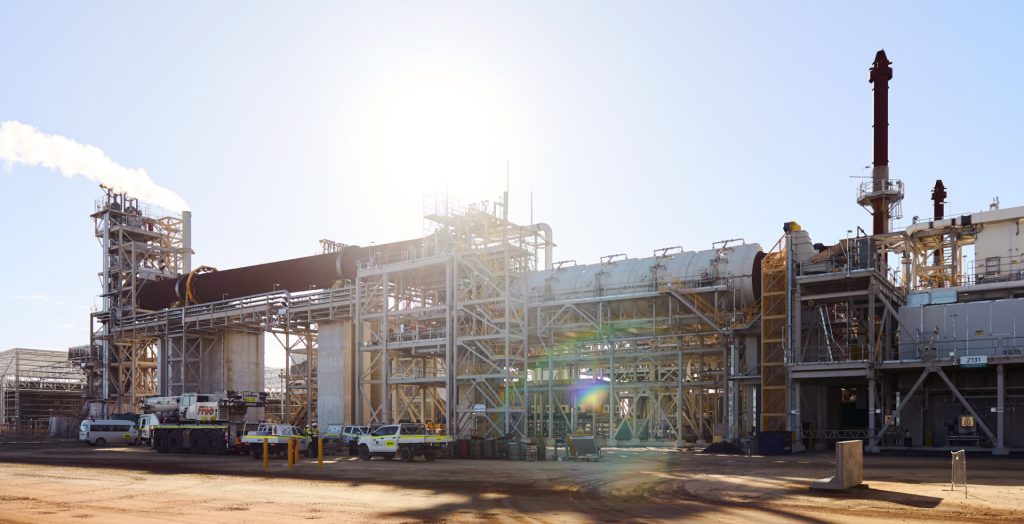
Under a “comprehensive review” announced on Wednesday, the world’s largest lithium producer will implement sweeping changes at its Kemerton lithium hydroxide conversion site in Western Australia, including a 40% reduction to the plant’s workforce.
Expansion activities at Train 3 will also be stopped, while production will be idled at Train 2, which will then be put on care and maintenance. Instead, the focus will be on optimising and ramping-up Train 1 at Kemerton.
The expansion effort was previously designed to boost production capacity at Kemerton to 100,000 tonnes per year. However, the plant’s capacity will instead fall from 50,000 to 25,000 tonnes.
Albemarle’s survival plan comes after lithium sales fell 39% to US$1.4 billion ($2.14 billion) in the second quarter of 2024, compared to US$2.37 billion a year ago. That culminated in a hefty swing from a profit of US$650 million this time last year, to a loss of more than US$188 million.
Excluding one-time items — such as a US$215 million after-tax charge related to the cancellation of Train 4 at Kemerton — Albemarle earned US$0.04 per share.
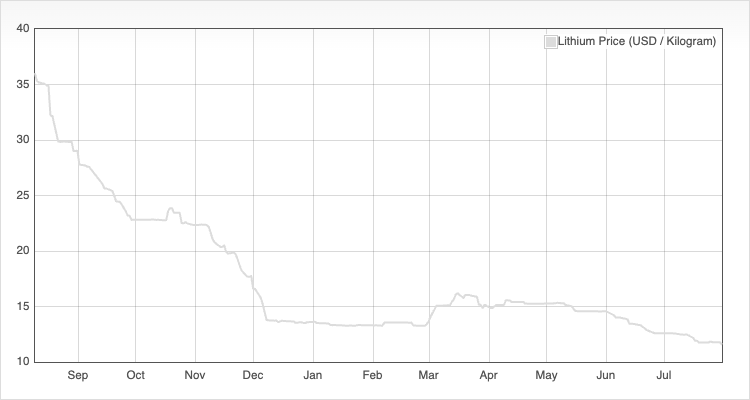
At the end of last year, a kilogram of lithium was fetching the Charlotte, North Carolina-based company an average of US$20. However, that amount has since sunk to between US$12 and US$15 per kilogram.
“The market is not improving. It’s actually probably getting a little worse,” CEO Kent Masters told Reuters.
“We’re using the term ‘lower for longer’ from a pricing perspective, and we have to be able to operate through that downturn.”
However, Albemarle’s dividend, which has been raised annually for the last 30 years, would likely remain unaffected.
“It’s important for our shareholders. So our plan is we would stick with that,” Masters added.
The company had previously cut jobs and deferred spending on a US refinery project back in January. But the pace of demand growth for electric vehicles has failed to keep up with expectations, compounding lithium oversupply from China.
Analysts at Goldman Sachs, for example, don’t expect global lithium demand to trump supply until 2030. As a result, some carmakers have been winding back their EV targets, such as General Motors, which last month backed away from its target to produce 1 million EVs annually in North America by 2025.
But despite the current challenges, the world’s major lithium producers seem broadly optimistic over the long-term.
The Fastmarkets Lithium Supply and Battery Raw Materials Conference in Las Vegas at the end of June saw roughly 1,100 attendees, or almost triple the number in 2019 — a trend which organisers said reflected an element of cautious hope in the industry.
“For those of us that are worried about the market sentiments at this moment in time, keep your eye on the long-term trajectory,” Pilbara Minerals (ASX:PLS) CEO Dale Henderson said at the time.
Write to Oliver Gray at Mining.com.au
Images: Albemarle, Daily Metal Price