


The Association of Mining and Exploration Companies (AMEC) is expressing support for a new Queensland Government policy position on impact assessments for local wind farm projects outlined late last week.
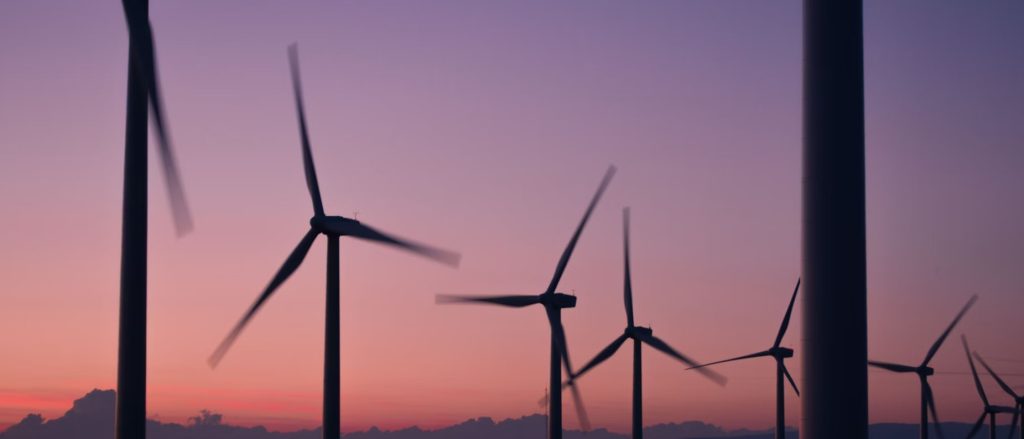
From today (3 February) all wind farm developments will become impact assessable in Queensland. The move is considered the first step of a new planning pathway for to requiring all renewable projects be impact assessable and subject to the same rigorous approval process as other major development projects.
This means mandatory community consultation, and third-party appeal rights.
Deputy Premier and Minister for State Development, Infrastructure and Planning Jarrod Bleijie says from today all wind farm developers would be mandated to consult with local councils, communities, and other stakeholders for new projects.
Bleijie notes that this next phase will focus on making other renewable energy projects impact assessable, such as large-scale solar farm developments, as well as introducing a community benefit framework for renewable energy developments that is similar to the requirements that other major development projects deliver in regional communities.
AMEC’s Acting Queensland Director Kate Dickson says the 31 January announcement from the Queensland Government is an important step in levelling the playing field for mineral resources and renewable projects.
Dickson notes the new requirements for wind farm developers are in line with similar expectations the exploration, mining and agriculture industry currently operate under. This will include undertaking public consultation and engaging in third-party appeals.
“These strict new development approval processes for wind farm developments is an Australian first and should be commended. For too long, the exploration and mining industry has faced tougher environmental and approval standards than their counterparts in the renewable space,” she says.
“There is no doubt that renewables play an essential role in the energy transition, but so do the critical minerals required to make the wind and solar farms.”
The Clean Energy Council also supports the introduction of impact assessments for local wind farm projects in Queensland, but cautioned against knee-jerk decisions that could risk future investment in the state for renewable energy investment
Council national spokesperson Chris O’Keefe says the retrospective application of new rules to approved projects sends a dangerous signal to future clean energy investors and jeopardises subsequent economic and community benefits for the Sunshine State, and Australia more broadly.
O’Keefe says the clean energy sector delivers $68 billion for regional Australia, including direct payments to farmers and local communities.
“Queensland leads the nation in attracting investment in resources and clean energy projects in Australia and we must ensure this continues,” he adds.
“Whilst we fully support any policy that promotes a more consistent and transparent approach to community engagement, we are deeply disappointed by the lack of consultation with industry following the snap decision by the Crisafulli government this week to introduce these changes for new and approved renewable energy projects.
“As the peak body representing 1,000 members across the renewable energy supply chain, we (Clean Energy Council) strongly urge the Crisafulli government to give the industry due notice and the opportunity to contribute to policy reform, prior to the introduction of any future changes to the project approval process.”
To complement today’s change, ‘State code 23: Wind farm development’ has also been updated to include additional requirements – reflecting an Impact assessment. Some include:
- Any disturbance to environmental footprints are rehabilitated
- Making sure wind new farm applications result in no significant loss of high quality agricultural land;
- Workers accommodation associated with the construction of the wind farm does not adversely impact on surrounding communities;
- Construction impacts on local infrastructure are mitigated, or if unable to be mitigated, remediated;
- Social impacts are identified and addressed to avoid negative impacts on host communities (community benefit);
- Decommissioning of wind farms becomes the sole responsibility of the wind farm operator and guaranteed through bonds or financial guarantees, no longer leaving private landowners at risk.
AMEC is a national association representing over 500 member companies from all around Australia. The members include explorers, emerging miners, producers, and a wide range of businesses and service providers working in and for the industry.
AMEC develops original and innovative policy to transform Australia’s regulatory approach to lower the cost of doing business and increase mineral exploration.
Mining.com.au is an associate member of AMEC.
Write to Adam Orlando at Mining.com.au
Images: Unsplash