

Globe Metals & Mining (ASX:GBE) is shifting its focus to execution ahead of this year’s Prospectors & Developers Association of Canada (PDAC) held from 1-4 March 2026, in Toronto, Canada.
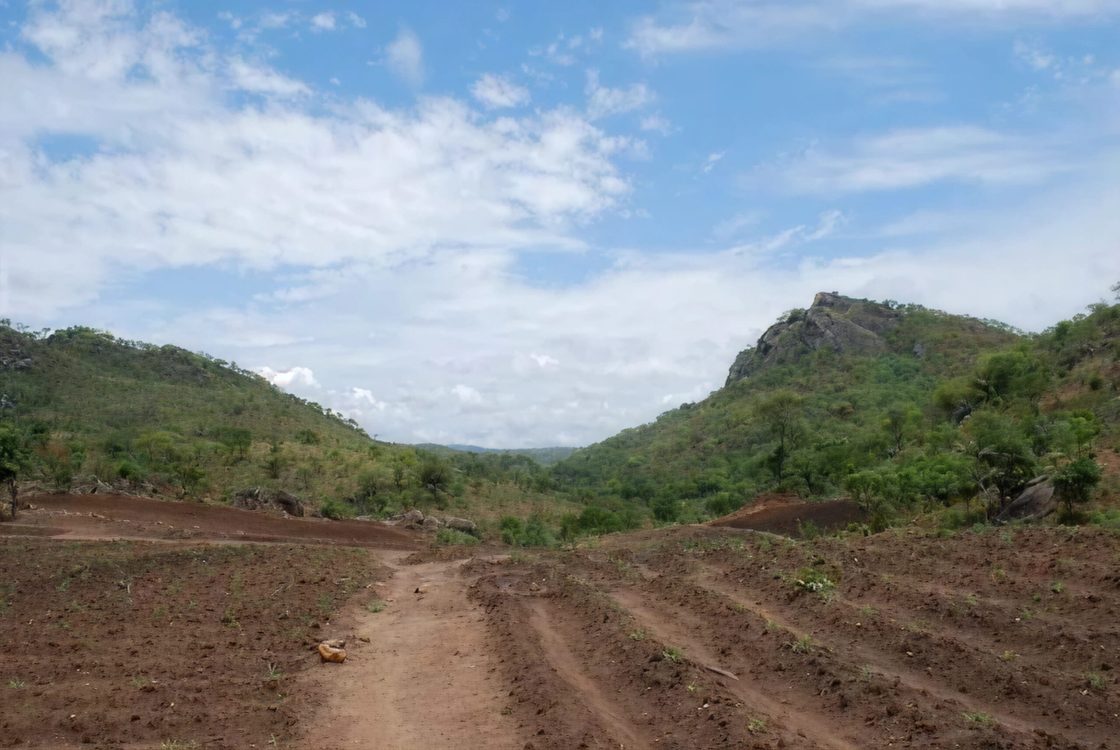
Speaking to Mining.com.au, CEO Charles Altshuler says for Globe Metals & Mining this shift means moving beyond exploration and feasibility and into construction at the Kanyika Niobium Project in Malawi.
“Being in build mode changes the conversation,” Altshuler says.
“Investors, governments, and offtakers are now focused on delivery, supply security, and timelines rather than resource potential alone.”
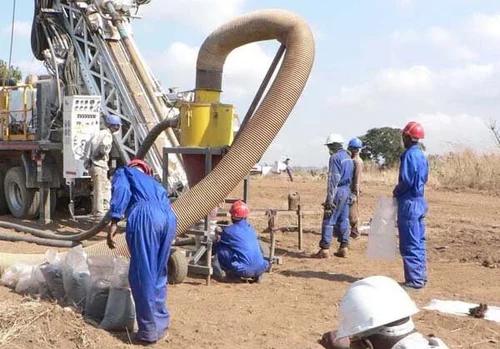
Globe Metals & Mining began construction at Kanyika in late January, ahead of a Bankable Feasibility Study, which is due in March, alongside a mining licence and other obligations.
Initial construction includes access-road upgrades, bulk earthworks, drainage and stormwater controls, fencing and site securing, water infrastructure and the establishment of a construction camp.
Altshuler says Kaniyka is a fully permitted project located in a stable, conflict-free allied jurisdiction with a strong rule of law. The project is being developed as a fully vertically integrated mine-to-refinery operation, providing complete traceability from ore extraction through to refined, high-purity niobium oxide suitable for demanding industrial and defence applications.
“The project has a long operating life, with approximately 76,000 tonnes of high-purity niobium pentoxide produced over the life of mine,” the CEO tells this news service.
“That scale, combined with vertical integration and jurisdiction stability, makes Kanyika a rare long-term alternative source of niobium supply outside Brazil.”
The African continent possesses about 30% of the world’s known mineral resources, playing a key role in the global resources market and related industries.
Sub-Saharan Africa alone is estimated to produce US$2 trillion of metals required for the energy transition by 2050.
Altshuler previously told this news service that while there are shortcomings, Africa represents a frontier of opportunity, particularly in critical minerals.
“For ASX-listed companies, the combination of high-quality geology, supportive regulatory reforms, and rising demand from global supply chains makes it attractive,” he explained.
“By the end of the decade, Africa is expected to supply a greater share of global critical minerals, supported by foreign investment and government partnerships.”
Rising global competition for critical minerals, especially between China and Western nations, has bolstered Africa’s strategic importance on the world stage, as reported.
The shift towards green technologies and economies provides Africa with a burgeoning opportunity to leverage its abundance of resources for industrial growth and long-term sustainability.
There are 113 Australian Securities Exchange (ASX)-listed mining companies that own or operate properties across Africa, encompassing almost 270 properties.
Altshuler identified to Mining.com.au some emerging trends to keep an eye out for towards the end of this decade including increasing alignment with global ESG standards, traceability systems, and regional collaboration across Southern Africa.
By 2030, Globe Metals anticipates more vertically integrated projects, local refining capacity, and strong partnerships between governments and private investors to capture more of the mineral value chain domestically, Altshuler adds.
Globe’s shift in orbit
Altshuler notes that from a financial perspective, Kanyika demonstrates “strong fundamentals”, with feasibility outcomes indicating a pre-tax net present value of around US$1 billion ($1.42 billion), an internal rate of return of 47%, operating margins of 65% and life-of-mine free cashflow of about US$3.2 billion.
“As an ASX-listed company, Globe is now firmly in the execution phase,” he adds.
“What stood out at PDAC is that projects capable of delivering new, high-purity critical mineral supply from allied jurisdictions are increasingly viewed as strategic assets.
“That shift in focus reflects the realities of global supply security, and it is where Globe is now positioned.”
Niobium is a strategically critical material with global supply heavily concentrated in a single country, with over 90% of global production sourced from Brazil, followed by a small percentage from Canada.
“It consistently ranks among the most important minerals for aerospace, defence, artificial intelligence (AI) infrastructure, and advanced manufacturing,” Altshuler says.
The largest use of niobium is used in steel to increase strength, reduce weight, and improve corrosion resistance for pipelines, automotive structural components, and construction materials. Niobium is also used in nickel-based superalloys for jet engines, rocket engines, and gas turbines due to its high-temperature stability.
This year’s PDAC event is set to bring together more than 27,000 attendees from over 125 countries for its educational programs, networking events and business opportunities.
Established in 1931, the annual convention has grown in size, stature, and influence, hosting more than 1,300 exhibitors and 700 presenters. Mining.com.au is a media partner of this year’s PDAC convention.
Write to Aaliyah Rogan at Mining.com.au
Images: Globe Metals & Mining