

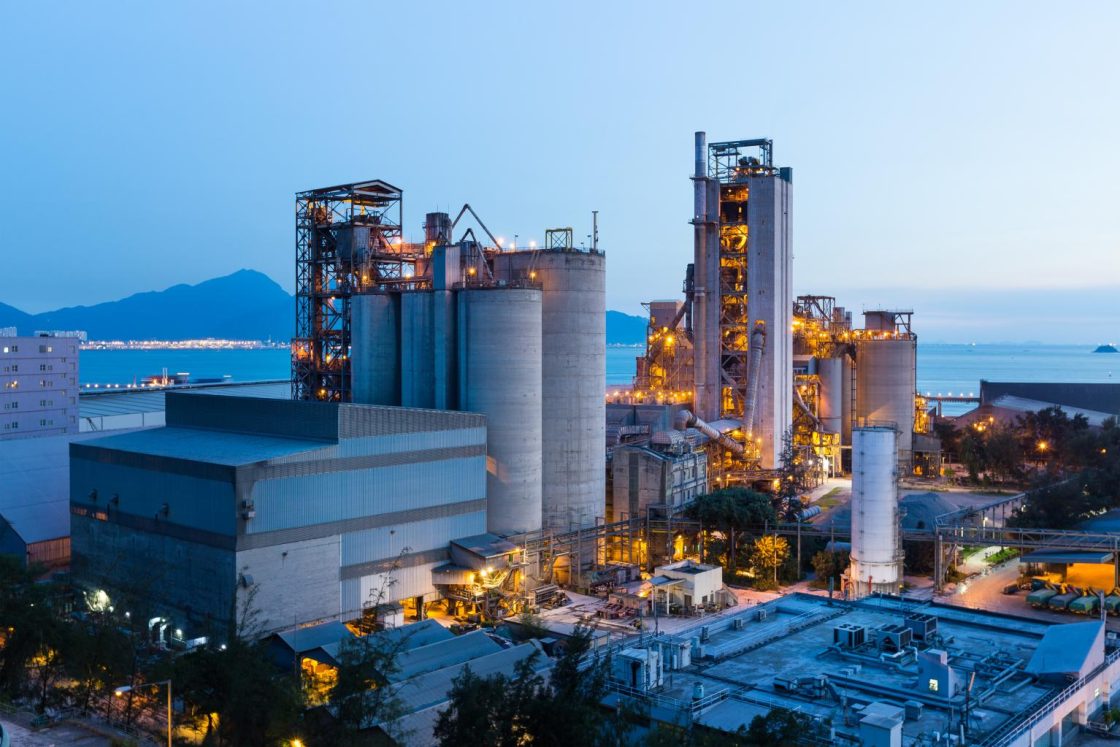
The European Commission has adopted a legislative proposal to increase demand for low-carbon, European-made technologies and products.
The Industrial Accelerator Act (IAA) aims to boost manufacturing, grow businesses and create jobs in the EU, while also supporting industry’s adoption of cleaner, future-ready technologies.
In line with the recommendations of the Draghi report, the IAA introduces targeted and proportionate ‘Made in EU’ and low-carbon requirements for public procurement and public support schemes. These will apply to selected strategic sectors including steel, cement, aluminium, cars and net zero technologies.
The European Commission says this will strengthen European production capacities and boost demand for European-made clean technologies and products. The act includes a requirement for member states to set up a single digital permitting process to expedite and simplify manufacturing projects.
Europe has a goal to increase manufacturing shares of the EU’s gross domestic product from 14.3% in 2024 to 20% by 2035.
While remaining open to foreign direct investment, the IAA also establishes conditions of major investment in strategic sectors exceeding €100 million ($164.9 million) where a single third-country controls more than 40% of global manufacturing capacity.
Such investment must create high-quality jobs, drive innovation and growth, as well as generate real value in the EU through technology and knowledge transfer as well as compliance with local content requirements.
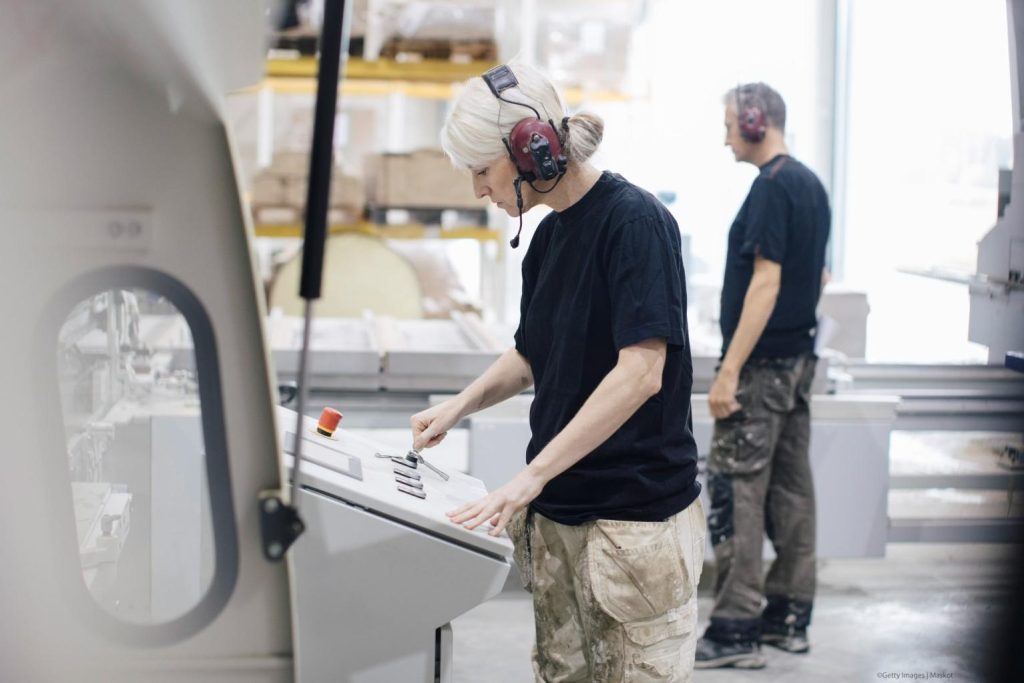
This latest initiative is a proposal for a regulation. It was announced in the Clean Industrial Deal and in a Joint Communication on strengthening EU economic security in 2025. It also delivers on the Draghi report by creating EU demand for clean and EU-made products and key technologies through public procurement and support schemes.
Europe’s Clean Industrial Deal will mobilise over €100 billion to support EU-made clean manufacturing. The deal focuses on horizontal enablers necessary for a competitive economy, including cutting red tape, fully exploiting the scale of the single market, promoting quality jobs and better coordinating policies at the EU and national levels.
As previously reported, the commission recently approved a €400 million Greek State aid scheme to support strategic investments that add clean technology manufacturing capacity in line with the aim of the Clean Industrial Deal.
The aim of the scheme is to grant aid for investments that add manufacturing capacity for the production of net zero technologies and their main specific components, as well as the production of new or recovered related critical raw materials necessary for the production of the final products or main specific components.
As of 2026, the European energy market is characterised by the transition to renewable energy, with wind and solar anticipated to surpass fossil fuels in electricity generation.
According to the European Commission, renewable energy represented 25.2% of energy consumed in the EU as of 2024 – up from 24.6% in 2023.
Write to Aaliyah Rogan at Mining.com.au
Images: European Commission & Adobe Stock