
MDF Global MDF Global
Finland’s nuclear waste repository puts Australia in focus•Junior explorers on road to unlocking Africa’s mineral wealth•A royal-blue legacy older than the pyramids: Lapis lazuli•Western Australia’s gold pipeline keeps growing•Sahel gold miners step up security amid jihadist threats•Lake Vermont’s $1.3 billion coal extension to support 860 jobs•Codelco reports $2.11 billion nine-month loss after asset write-downs•Copper price sweeps higher as China offers stock market support•Codelco leadership shake-up continues as commercial chief departs for Trafigura•Gold price climbs 3% as tech stocks rebound•Kazakh banks raise $2.26 billion to fund private takeover of gold miner•Australia and Mozambique discuss mining investment•Liberia signs $8.6 billion Bea Mountain infrastructure deal•China Shenhua raises $1.29 billion in Hong Kong share sale•Ivanhoe Mines backs AI for Angola copper exploration•Rio Tinto JV ships first Simandou iron ore to Europe•Genesis Minerals completes Vault gold takeover•1911 Gold raises ceiling on $14.8 million private placement•Copper Road paves way to Ben Nevis drilling•BlueScope opens Western Sydney coating line Finland’s nuclear waste repository puts Australia in focus•Junior explorers on road to unlocking Africa’s mineral wealth•A royal-blue legacy older than the pyramids: Lapis lazuli•Western Australia’s gold pipeline keeps growing•Sahel gold miners step up security amid jihadist threats•Lake Vermont’s $1.3 billion coal extension to support 860 jobs•Codelco reports $2.11 billion nine-month loss after asset write-downs•Copper price sweeps higher as China offers stock market support•Codelco leadership shake-up continues as commercial chief departs for Trafigura•Gold price climbs 3% as tech stocks rebound•Kazakh banks raise $2.26 billion to fund private takeover of gold miner•Australia and Mozambique discuss mining investment•Liberia signs $8.6 billion Bea Mountain infrastructure deal•China Shenhua raises $1.29 billion in Hong Kong share sale•Ivanhoe Mines backs AI for Angola copper exploration•Rio Tinto JV ships first Simandou iron ore to Europe•Genesis Minerals completes Vault gold takeover•1911 Gold raises ceiling on $14.8 million private placement•Copper Road paves way to Ben Nevis drilling•BlueScope opens Western Sydney coating line

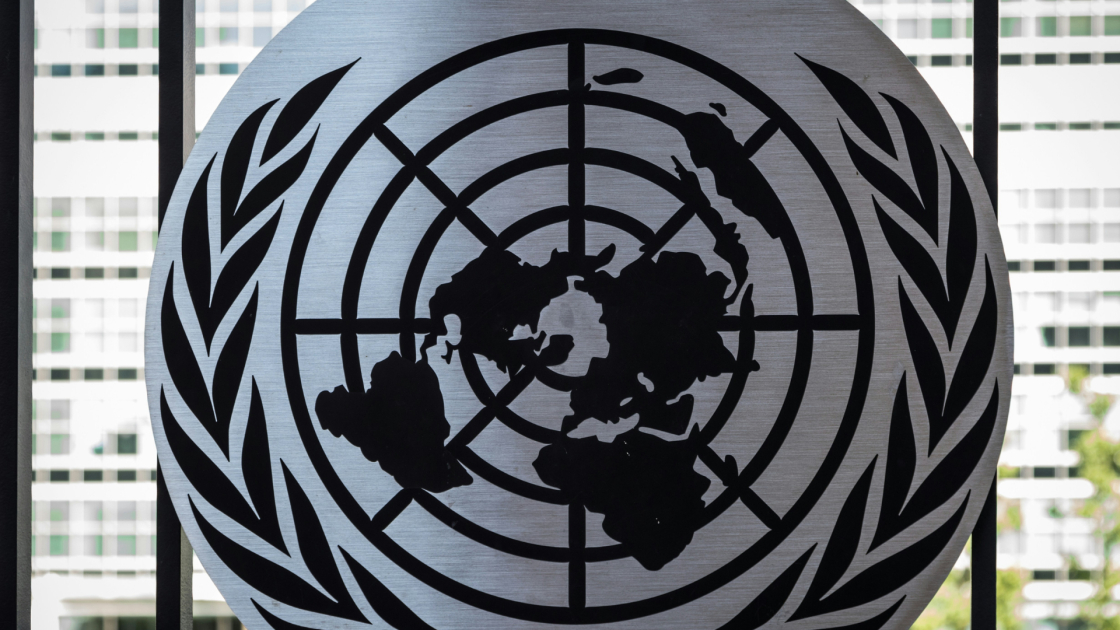
UN launches critical minerals support mechanism for developing nations

On 23 September, the United Nations General Assembly launched a new Country Support Mechanism on Critical Energy Transition Minerals.

The program’s goal is to help resource-rich developing nations build sustainable critical minerals industries and extract more value domestically from their resources. 

UN Secretary-General António Guterres says the mechanism is designed to ensure that countries that supply the raw materials needed specifically for clean energy technologies benefit more directly. 

“The Country Support Mechanism puts equity and justice into practice, to turn mineral wealth into jobs and prosperity at home,” Guterres says.

Led by the UN Development Program and the UN Development Coordination Office, the program will first provide dedicated support to Guinea, Indonesia, Madagascar, Nigeria, Zambia, and Zimbabwe as its first partners.

The program will focus on technical and capacity-building assistance for countries that are looking to strengthen governance, grow their mineral processing capacities, industrial development, and improve environmental and social safeguards. 

The UN states that with this mechanism, it can assist countries in moving from being raw material exporters to earning real value from their critical mineral wealth. 

Across Africa in particular, there’s been a significant shift in critical minerals policies lately. Governments are increasingly initiating raw material export controls, regulating that all minerals must be processed locally prior to export. 

In early September, Kenya was reported to be the latest country in Africa to enforce export bans, sitting alongside Ghana, the Democratic Republic of Congo, and many others. 

Also, in early July, Nigeria commissioned its first lithium processing plant — one of Africa’s largest, with a processing capacity of 6,000 tonnes of lithium per day and an estimated 3 million tonnes annually. 

The UN’s new Country Support Mechanism underscores a growing global consensus: resource-rich nations must be able to capture more value from their mineral wealth rather than exporting just the raw materials. 

Africa is already moving swiftly, enforcing local processing requirements, in a shift towards equity, resilience, and sustainable growth in critical minerals supply chains.

Write to Amy Rotman at Mining.com.au   

Main image: Unsplash

Add to Watch List:
Author Image
Written By Amy Rotman
Amy Rotman is a mining-focused editor and content strategist with extensive experience across industry media and investor engagement. She curates expert interviews, corporate news updates, and market insights that highlight global mining trends and investment opportunities.