
MDF Global MDF Global
Apple’s iPhone boom highlights critical minerals powering smartphones•Presenting a united front for Queensland’s copper sector•Thailand seeks Myanmar mine access amid arsenic pollution•Egypt to set up state-backed company to license artisanal gold miners, free detainees•Brixton closes $7.4 million raise for Thorn, Langis projects•Heliostar banks record $78.7 million for Ana Paula push•Mining giants bet billions on 2030 supply crunch•Gunnison Copper reports Q3 output, revenue surge•Triumph Gold targets $15.46 million for Yukon push•African Rainbow Minerals faces a jobs dispute at Nkomati mine•Angola seeks 10% stake in De Beers under Anglo’s proposed exit•Gold price rebounds but heads for biggest weekly loss since June•Teck copper strike reaches BC port as operator sues union•Copper benchmark rocked by miner-smelter tug-of-war•Zimbabwe mining bill targets community, environmental safeguards•Mount Isa critical minerals hub secures Feasibility Study funding•Eramet initiates $814.5 million capital raise to reduce debt•Richemont backs natural gemstones, declines De Beers comment•‘Tis the season for administration as Comlek falls a second time•OceanaGold Philippines trials wireless blasting at Didipio mine Apple’s iPhone boom highlights critical minerals powering smartphones•Presenting a united front for Queensland’s copper sector•Thailand seeks Myanmar mine access amid arsenic pollution•Egypt to set up state-backed company to license artisanal gold miners, free detainees•Brixton closes $7.4 million raise for Thorn, Langis projects•Heliostar banks record $78.7 million for Ana Paula push•Mining giants bet billions on 2030 supply crunch•Gunnison Copper reports Q3 output, revenue surge•Triumph Gold targets $15.46 million for Yukon push•African Rainbow Minerals faces a jobs dispute at Nkomati mine•Angola seeks 10% stake in De Beers under Anglo’s proposed exit•Gold price rebounds but heads for biggest weekly loss since June•Teck copper strike reaches BC port as operator sues union•Copper benchmark rocked by miner-smelter tug-of-war•Zimbabwe mining bill targets community, environmental safeguards•Mount Isa critical minerals hub secures Feasibility Study funding•Eramet initiates $814.5 million capital raise to reduce debt•Richemont backs natural gemstones, declines De Beers comment•‘Tis the season for administration as Comlek falls a second time•OceanaGold Philippines trials wireless blasting at Didipio mine

Nigeria’s new lithium plant marks major shift to value-added critical minerals

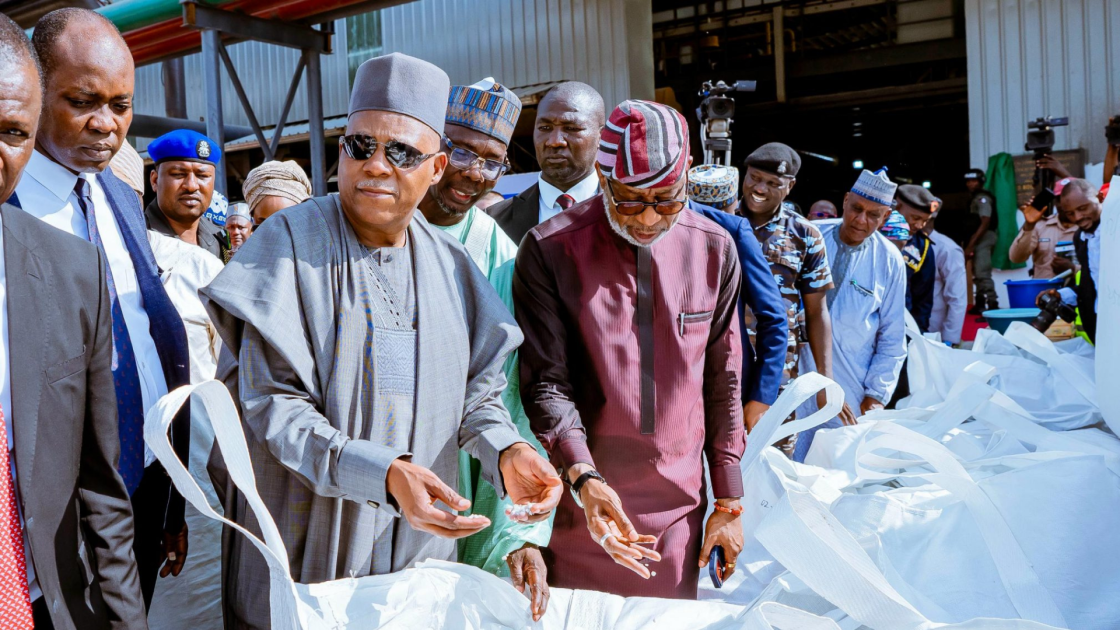
As African countries focus on growing their critical mineral value chains and shifting from raw material exporters to true value creators, as previously reported, those ambitions are now beginning to take shape. Nigeria recently commissioned its, and one of Africa’s, largest lithium processing plants in Nasarawa State.

The Diamond New Energy lithium plant has a processing capacity of 6,000 tonnes of lithium per day, with an estimated 3 million tonnes annually.

During construction, the project generated over 1,000 direct jobs and over 2,000 indirect employment opportunities for the community, making it a significant contributor to Nigeria’s industrialisation and growth agenda.

Speaking on behalf of President Bola Ahmed Tinubu at the commissioning, Vice President Senator Kashim Shettima stressed the importance of metals and minerals in the modern, tech-driven era, saying Nigeria is set to enter a new phase of growth in the metals sector.

In his statement, Senator Shettima notes that Nigeria “must either maximise its industrial advantage and turn its endowments into engines of prosperity, or spend years manufacturing excuses for the nation’s lack of innovation”.

“The commissioning of Diamond New Energy Projects here in Nasarawa State represents confidence in Nigeria, in Nasarawa State, and in the revolutionary reforms set in place by this administration,” says Senator Shettima.

“It represents confidence that Nigeria is ready to participate in the global minerals economy on terms that create jobs, build skills, strengthen local enterprises, and expand our productive base.”

Senator Shettima notes that Nigeria, like many other countries across Africa, has often focused on “what lies beneath our soil” rather than what can be done to add value to these metals and minerals.

“What changes a nation is the deliberate movement from extraction to processing, from potential to production, from raw materials to value-added goods, and from isolated investments to integrated industrial ecosystems.”

Nigeria’s commissioning of the Diamond New Energy lithium plant marks a clear pivot in Africa’s push to to build local mineral value chains and capture more value from its resources.

As more nations move to secure downstream capacity, the continent’s critical minerals narrative is rapidly evolving from potential to production, with Nigeria now positioning itself as a serious participant in the global lithium supply chain.

Write to Amy Rotman at Mining.com.au

Images: State House of Nigeria

Add to Watch List:
Author Image
Written By Amy Rotman
Amy Rotman is a mining-focused editor and content strategist with extensive experience across industry media and investor engagement. She curates expert interviews, corporate news updates, and market insights that highlight global mining trends and investment opportunities.