


Resources Victoria says the overwhelming majority of mine sites inspected by the regulator in 2025 have been assessed as low risk, with no major risks identified.
Across Victoria, between February and the end of June this year, more than 350 sites were inspected across 50 local government areas.
While the vast majority are deemed low risk, Resources Victoria says some operators need to be reminded of their responsibilities.
At about 40% of sites, inspectors required the operator to take action to address minor issues identified and the majority of these have been resolved in the required time without the need for any enforcement action.
A recurring issue was a lack of progressive rehabilitation. Some operators had not started rehabilitation and many of those that had started work had made insufficient progress.
Other issues identified by the regulator include inadequate signage, inappropriate fuel management, unsecured gates and fencing, derelict equipment left on site and poor waste storage.
During future inspections and audits, Resources Victoria will remain focussed on operational risk, progressive rehabilitation and ensuring all work plan obligations are being met.
Executive Director Regulatory Operations Laura Helm says the state’s resources sector is playing a crucial role supplying the raw materials needed to build homes and infrastructure, as well as providing access to the minerals essential for producing renewable energy and manufacturing a wide range of everyday products.
Building community confidence in how these sites are operated is important so there is support for continued development of the state’s earth resources and we can all benefit from what it delivers.
“It has been a big year out in the field for the regulator and we’re well on the way to inspecting every mine and quarry in Victoria at least once by mid-2026,” Helm says.
“What we are seeing is that operators want to do the right thing. Where we have identified room for improvement, they have completed required actions promptly.
“Managing a resources site is complex and Resources Victoria is keen to help industry understand and deliver their requirements.”
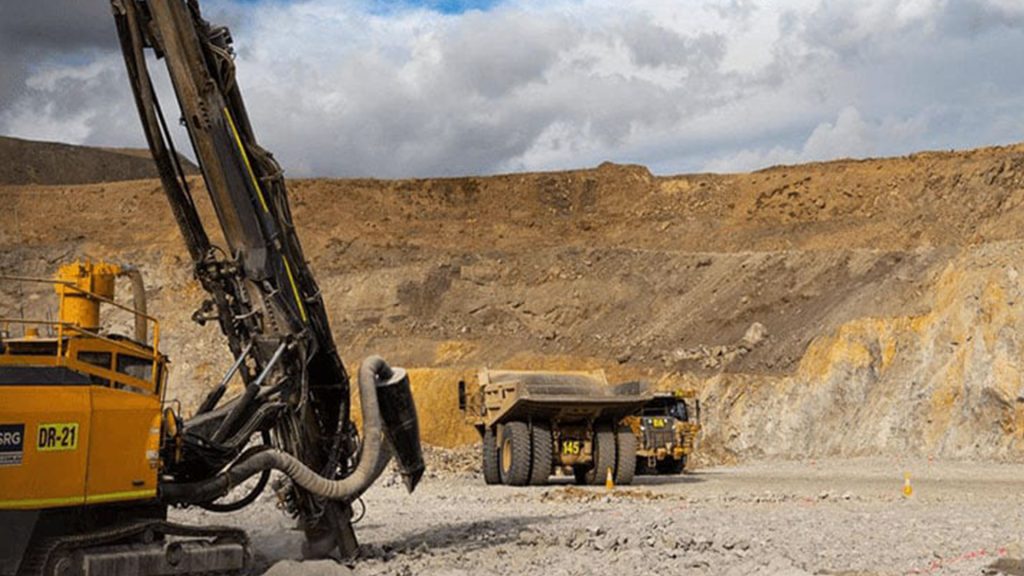
Victoria is a renowned gold province with a variety of deposit styles and pre-competitive geoscientific data and knowledge to improve targeting and reduce mineral exploration risk. Overall, the state has produced more than 2,500 tonnes (80 million ounces) of gold.
The Geological Survey of Victoria regularly scans exploration and mining activity and compiles a list of recently issued media releases by companies. Yet there are only about 20 ASX-listed gold companies active in the state.
One of those is Aureka (ASX:AKA). When it resumed activities in late 2024, it did so with one of Victoria’s largest portfolios of advanced stage exploration and pre-development gold projects.
The company says the initiative for Aureka to commission and deliver the St Arnaud Comstock mineral resource estimate on existing data in the current favourable gold price environment, demonstrates the determination to fully exploit the hidden pockets of value within the project portfolio.
The St Arnaud Project is located in the Stawell Structural Zone with the St Arnaud Fault in the east and Percydale Fault in the west, which are both prospective for orogenic gold mineralisation.
St Arnaud is considered highly prospective for the discovery of orogenic and intrusive-related gold.As Managing Director James Gurry previously told Mining.com.au, St Arnaud Aureka’s “near-term producer project” with a history as rich as the state’s gold mining history in which it is situated.
Write to Adam Orlando at Mining.com.au
Images: Aureka