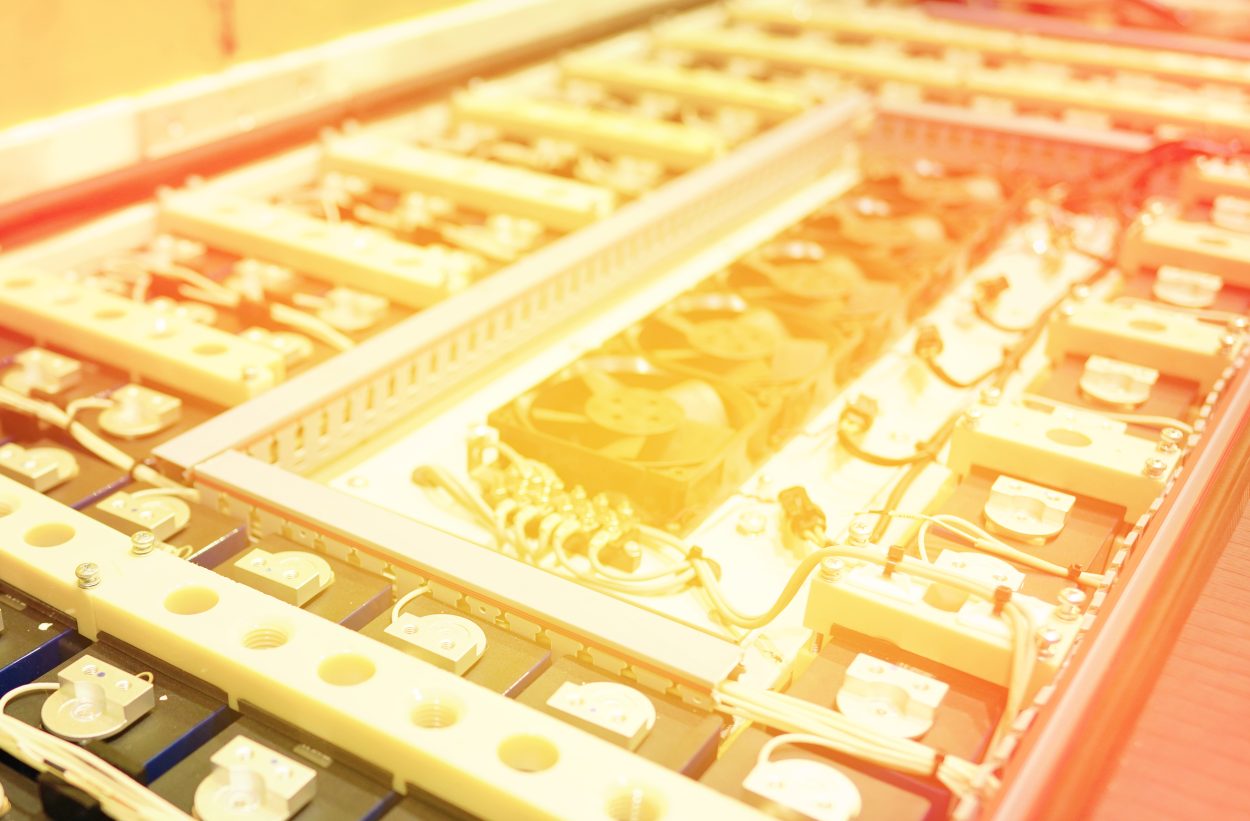
As Australian explorers scan mining regions for critical minerals, another opportunity is piling up in our own backyards. That’s the growing mountain of spent batteries, which can be processed into black mass and ‘mined’ for valuable metals.
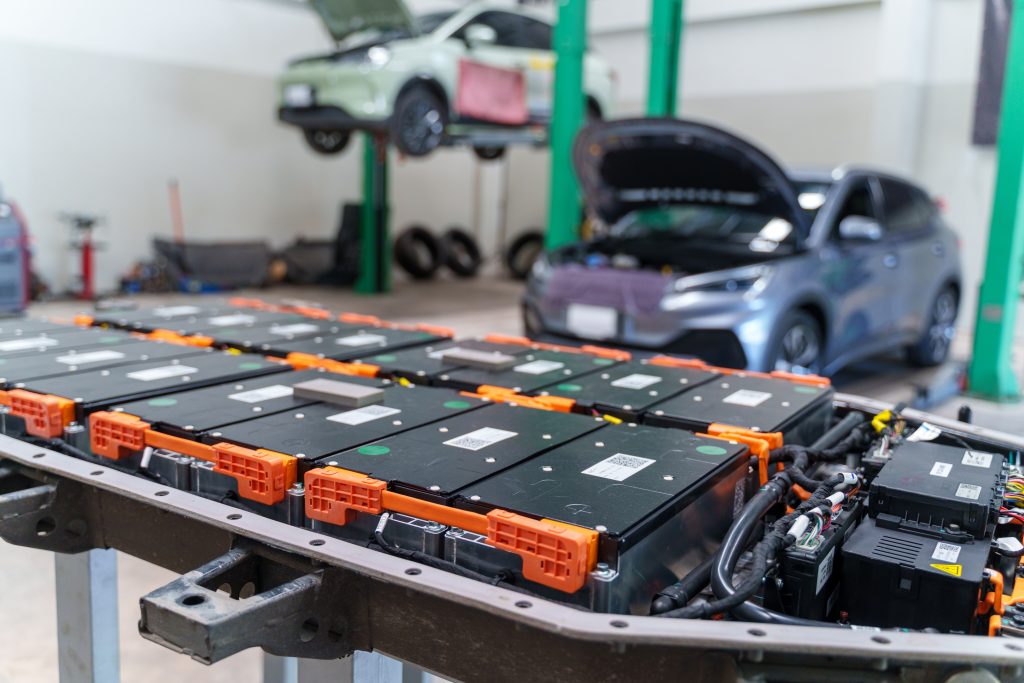
Global end-of-life lithium-ion battery availability alone is expected to rise from 45.5 gigawatt hours (GWh) in 2025 to around 330GWh by 2030. By 2037, it is expected to reach roughly 1,430GWh, according to Mobility Global.
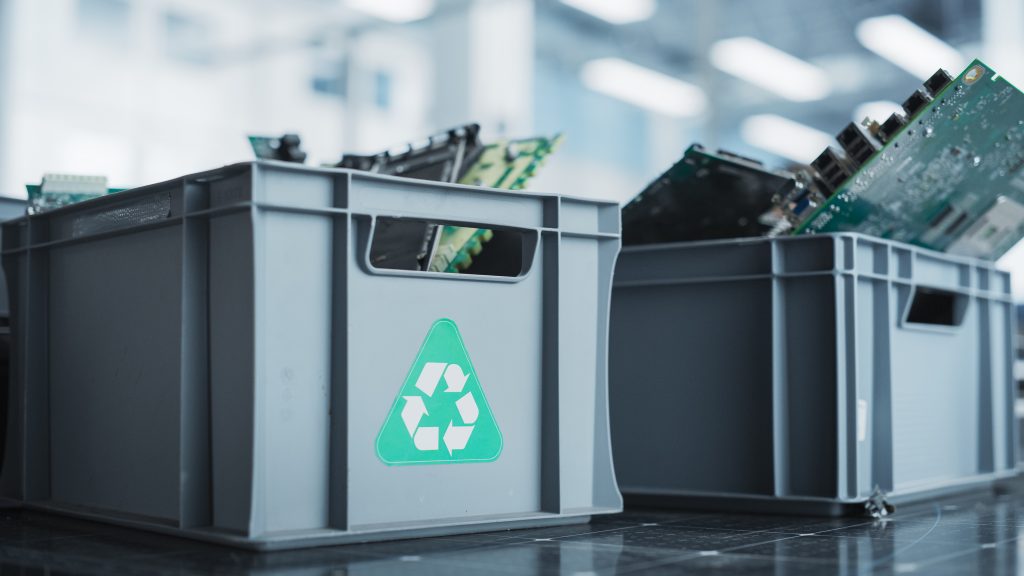
On top of that are discarded phones, computers, circuit boards and other electronic devices. These also contain valuable metals, creating a broader opportunity for what is being called ‘urban mining’.
While China dominates global battery recycling capacity, a new wave of Australian technologies is looking to generate more of that value and know-how onshore.
What exactly is black mass?
Black mass is the fine, dark powder produced when lithium-ion batteries are discharged, then dismantled or shredded.
The resulting blackish material contains a mixture of valuable battery materials, including varying amounts of lithium, nickel, cobalt, manganese and graphite, depending on the battery chemistry and feedstock.
Processing is then needed to separate and recover those materials and make them potentially suitable for reuse in batteries and other manufacturing.
That processing step is where much of the value lies — and where China has established a substantial advantage.
The International Energy Agency’s (IEA) Global Critical Minerals Outlook 2026 found China accounted for more than three-quarters of global battery pre-treatment capacity and almost 90% of global material recovery capacity.
China has a first-mover advantage thanks to its enormous battery manufacturing industry, which supplies a steady stream of scrap. At the same time, its established chemical processing industry helps make recovery more competitive.
To harness the value and resources offered by black mass and other electronic waste, some innovative Australian battery recyclers are developing new extraction technologies designed to recover metals more efficiently. Others are developing ways to refine black mass produced by existing recyclers.
From ‘shred and ship’ to recovering value
Renewable Metals was founded by a team of metallurgists who previously spent decades extracting battery metals from mining ore bodies and concentrates. Now the Australian company is extracting those metals directly from a range of battery feedstocks.
The company’s patented alkali hydrometallurgical technology targets lithium, cobalt, nickel, copper, and manganese across different battery chemistries. It also targets different feed forms, including production scrap, black mass, cells, modules and whole battery packs.
What sets Renewable Metals’ process apart is that it bypasses black mass pre-processing and produces no potentially costly sodium sulphate waste. The company has also developed modular plants, which it says are viable at a much smaller scale than larger, conventional recycling facilities.
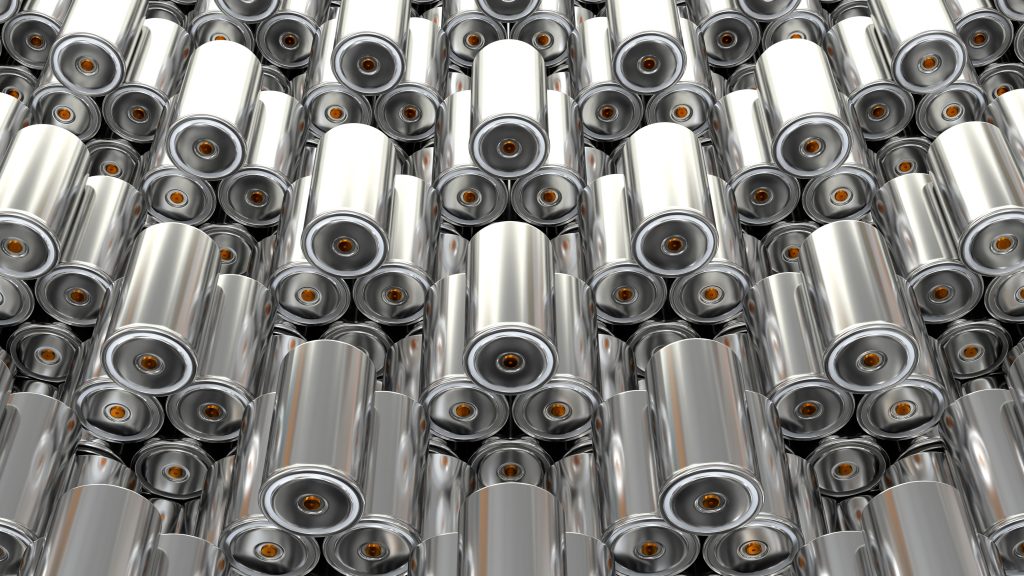
Renewable Metals has announced that its alkali-based process can recover more than 95% of contained metals. Since then, the company has completed its first production runs at its Perth demonstration plant, reporting that safety, throughput, and recoveries were in line with expectations.
The plant has an initial throughput capacity of 960 tonnes per annum (tpa), with plans to ramp up to 2,000tpa. Renewable Metals also intends to generate operating data to support the design of a proposed 8,000tpa commercial refinery planned for the Hunter Valley in New South Wales.
Earlier this year, Renewable Metals closed a $12 million Series A capital raising led by the Clean Energy Finance Corporation. The company also received a further $4.15 million in funding from the Australian Renewable Energy Agency (ARENA).
Livium targets broad clean energy waste
Livium (ASX:LIT) already generates revenue from its battery collection and recycling operation via its subsidiary Envirostream Australia, but it’s now pursuing a broader clean-energy waste opportunity.
Livium’s ‘quarry’ includes solar panels, rare earth-bearing materials, and other electronic waste.
The company is preparing for an Australian trial of Korean company Won Kwang S&T’s Solreborn technology.
At the same time, Livium is evaluating a black mass processing expansion at its Melbourne facility with Sumitomo Corporation (TYO:8053). The collaboration has progressed beyond a memorandum of understanding (MoU) signed in May.
Metallium takes aim at metals in electronic waste
Another Australian-listed company advancing waste-recovery technology is Perth-based Metallium (ASX:MTM).
Metallium is developing a Flash Joule Heating (FJH) process that uses electrical pulses to generate intense heat through electrical resistance. The high temperatures rapidly transform materials and potentially make their metal content easier to recover. Metallium has also developed proprietary pre-processing techniques to separate and prepare different material streams for further treatment.
In a milestone this month, Metallium commissioned an upgraded FJH reactor at its Gator Point Technology Campus in Texas, US, paving the way for a new processing campaign focused on producing MXenes.
Pronounced like the name Maxine, MXenes are materials attracting significant research and commercial interest because of their electrical conductivity and potential applications in advanced technologies.
Metallium is also targeting definitive agreements with Traxys by the end of the calendar year after signing a non-binding MoU to evaluate US critical metals supply chains.
Traxys is a major physical commodity trader headquartered in Luxembourg.
Earlier this month, Metallium highlighted preliminary recoveries of more than 90% for copper, gold, silver, tin, and palladium into mixed metal-bearing streams in its annual general meeting presentation. Platinum is also a target product in the company’s broader printed circuit board (PCB) processing flowsheet.
Metallium says the broader opportunity extends to gallium, germanium, and indium from semiconductor and electronic scrap, as well as rare earths from magnets, concentrates, and tailings. However, PCB processing remains the immediate commercial priority.
Metallium is targeting its first revenue from recovered PCB metals in the first half of 2027. This will be followed by a staged production ramp-up in the second half of the year, subject to equipment deployment, commissioning, and customer qualification.
Write to Christina Wagstaff at Mining.com.au
Main image: iStock