


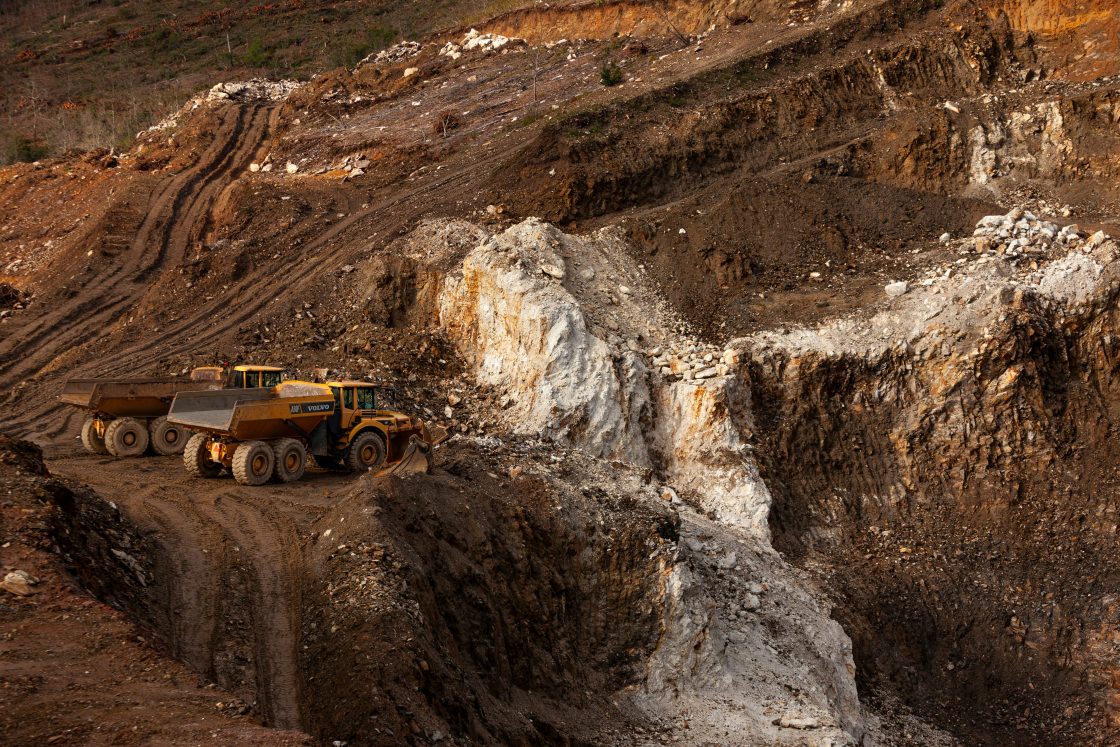
Lithium supply comes from both brine and hard rock sources, with different processing pathways shaping costs, timelines, and market dynamics.
Context and background
Lithium has become a central commodity in the global energy transition. It is a key component in rechargeable batteries used in electric vehicles, energy storage systems, and consumer electronics.
Demand for lithium has grown rapidly in recent years, driven by electrification trends and government policy support. However, lithium markets differ from traditional bulk commodities, with supply chains and pricing mechanisms still evolving.
Understanding where lithium comes from, how it is processed, and how it is used provides essential context for evaluating lithium projects and companies.
Lithium sources: brines and hard rock
Lithium is produced primarily from two types of deposits: brines and hard rock.
Brine deposits
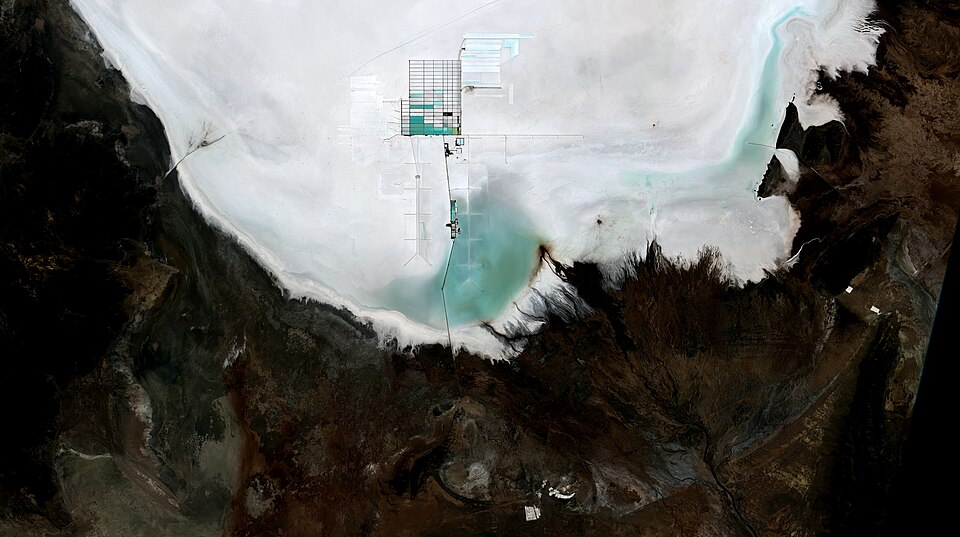
Brine deposits occur in salt flats, where lithium-rich groundwater accumulates in underground reservoirs.
Producers extract brine by pumping it to the surface and allowing water to evaporate in large ponds. This process concentrates lithium over time before it is processed into chemical products.
Brine operations are commonly found in South America, particularly in high-altitude regions with dry climates.
Brine extraction generally involves lower operating costs but longer development timelines due to the evaporation process.
Hard rock deposits
Hard rock lithium deposits are typically hosted in pegmatite rocks, where lithium-bearing minerals such as spodumene occur.
Mining involves conventional open pit or underground methods to extract ore, which is then processed to produce a spodumene concentrate.
Australia is a major producer of hard rock lithium, supplying concentrate to downstream processors.
Hard rock operations can be developed more quickly than brine projects, but they often involve higher operating costs.
Sedimentary lithium
Sedimentary lithium has emerged as a potential third source of supply alongside brines and hard rock lithium.
These deposits occur in lithium-bearing clays and sediments, often in basin environments. Unlike brine evaporation or spodumene processing, sedimentary lithium typically requires chemical extraction methods, which are still being refined at commercial scale.
Several projects are under development, particularly in North America, but technical complexity and processing costs remain key considerations. If successfully developed, sedimentary deposits could diversify global lithium supply and reduce concentration risk. This is just one example of how the growing demand for critical minerals drives new technology to meet it.
Processing pathways
Lithium must be processed into chemical forms suitable for battery production.
The two main products are:
- Lithium carbonate
- Lithium hydroxide
Brine operations usually produce lithium carbonate directly through evaporation and chemical processing.
Hard rock operations typically produce spodumene concentrate, which is then converted into lithium chemicals through additional processing steps.
Lithium hydroxide has become increasingly important for high-performance batteries, particularly in electric vehicles.
Processing capacity plays a critical role in the lithium supply chain. Much of the world’s conversion capacity is located in China, linking upstream mining with downstream battery manufacturing.
Lithium demand and end uses
Lithium demand is dominated by battery applications.
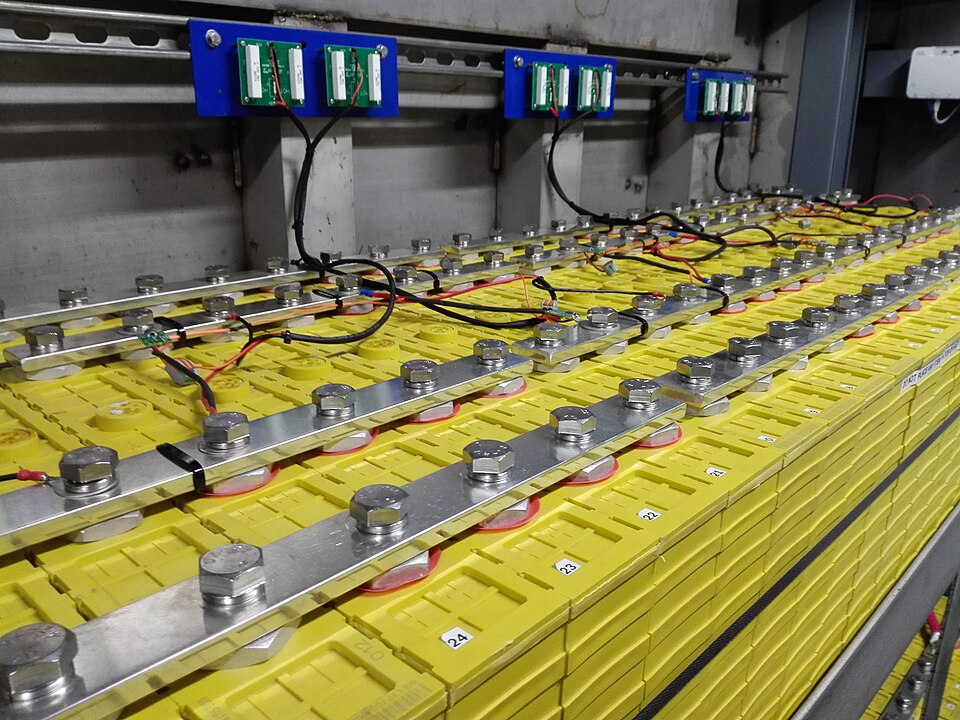
Electric vehicles represent the fastest-growing source of demand. Lithium-ion batteries require lithium compounds to store and release energy efficiently.
Other key uses include:
- Grid-scale energy storage
- Consumer electronics
- Industrial applications such as glass and ceramics
As battery technologies evolve, the balance between lithium carbonate and lithium hydroxide demand may shift.
The scale and growth of battery demand distinguish lithium from many traditional commodities.
Pricing and market structure
Lithium pricing differs from commodities such as iron ore or gold.
There is no single global benchmark price. Instead, lithium is sold through a combination of contracts and spot transactions, with pricing often based on negotiated agreements.
Prices are typically quoted for specific chemical products, such as lithium carbonate or lithium hydroxide, rather than raw material.
This structure can lead to price volatility, as supply and demand imbalances are reflected quickly in contract negotiations and spot markets.
Supply challenges and project development
Lithium supply faces several challenges.
Brine projects require specific environmental conditions and can take years to reach full production due to evaporation timelines.
Hard rock projects depend on mining and processing capacity, as well as access to downstream conversion facilities.
Both types of projects require careful management of water, energy, and environmental impacts.
These factors contribute to the time and cost required to bring new supply to market.
Differences between brine and hard rock economics
Brine and hard rock projects differ in cost structure and risk profile.
Brine operations may benefit from lower operating costs but require longer development periods and are sensitive to climate conditions.
Hard rock projects can be developed more quickly and scaled through conventional mining methods, but they often involve higher operating costs and depend on external processing.
Investors often compare these factors when evaluating lithium projects.
Lithium in the broader energy transition
Lithium plays a key role in the transition to lower-emission energy systems.
Battery storage supports renewable energy integration, while electric vehicles reduce reliance on internal combustion engines.
As a result, lithium demand is influenced not only by market forces but also by policy decisions and technological developments.
This broader context adds complexity to lithium market dynamics.
Why it matters
Lithium markets differ from traditional commodities in several ways.
For investors, understanding lithium supply and processing helps explain:
- Why project timelines can vary significantly
- Why pricing is more volatile and less transparent
- Why downstream processing capacity is critical
Evaluating lithium projects requires consideration of both geological and supply chain factors.
Conclusion
Lithium supply comes from brine and hard rock sources, each with distinct extraction and processing pathways. These differences shape project economics, development timelines, and market dynamics.
As demand continues to grow, understanding how lithium moves from deposit to battery provides essential context for interpreting market trends and assessing lithium-focused mining projects.
Images: Unsplash & Wikimedia Commons
This resource is made possible through our collaboration with MDF Global, reflecting its ongoing commitment to elevating the standard of discourse within the Australian resources sector. Together, we are providing the specialised knowledge necessary for the next generation of industry leaders and investors to identify value in an increasingly complex global landscape.


