



This article is a sponsored feature from Mining.com.au partner Nicola Mining. It is not financial advice. Talk to a registered financial expert before making investment decisions.
After more than a decade of inactivity, Nicola Mining (TSX-V:NIM) is preparing to revive its Treasure Mountain silver mine in British Columbia, Canada, as stronger silver prices renew interest in historical operations.
Nicola is targeting a 2027 restart of the underground silver-lead-zinc mine, supported by existing infrastructure, exploration activity, and its permitted Merritt Mill processing facility.
The company is combining underground rehabilitation assessments with exploration beyond the legacy mine, aiming to establish a pathway towards renewed production while investigating additional mineralisation.
A substantial recovery in silver prices since 2025 has strengthened the commercial rationale, but the proposed restart will also depend on engineering, operating costs, and geological evaluation.
Work at Treasure Mountain
Work at the Treasure Mountain Silver Project has accelerated throughout 2026, with Nicola reopening access to historical underground workings and completing its first diamond drilling program at the nearby MB zone.
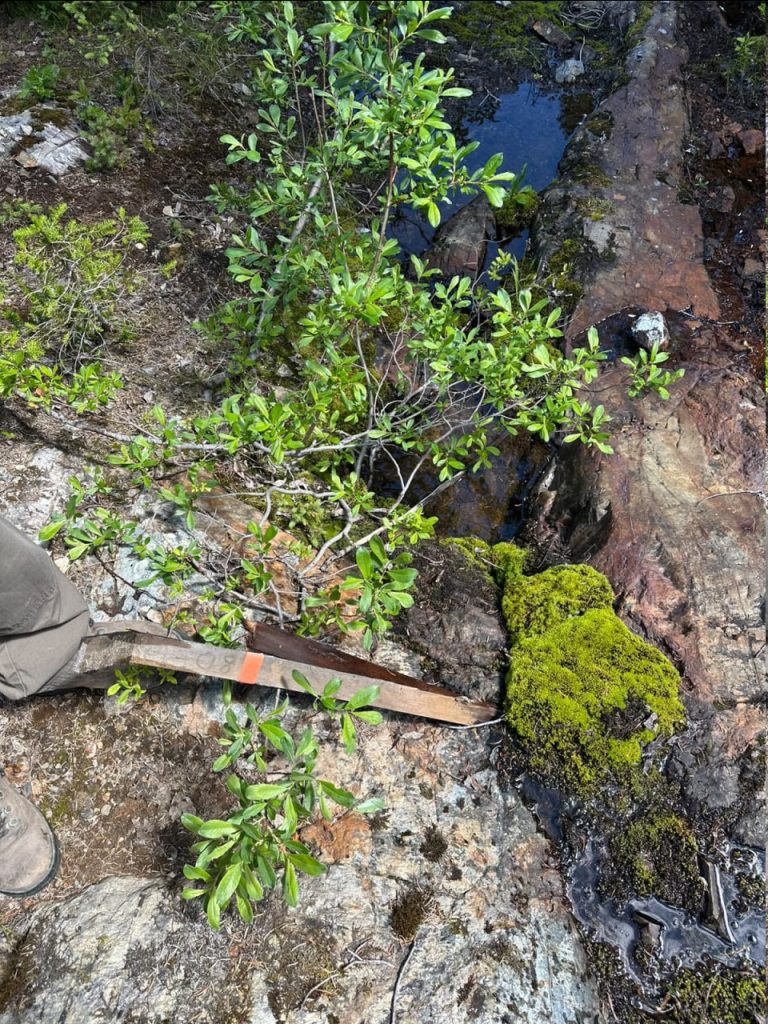
Located approximately 30km northeast of Hope, Treasure Mountain has been inactive for around 13 years. Much of the underground infrastructure developed by previous operators, however, remains in place.
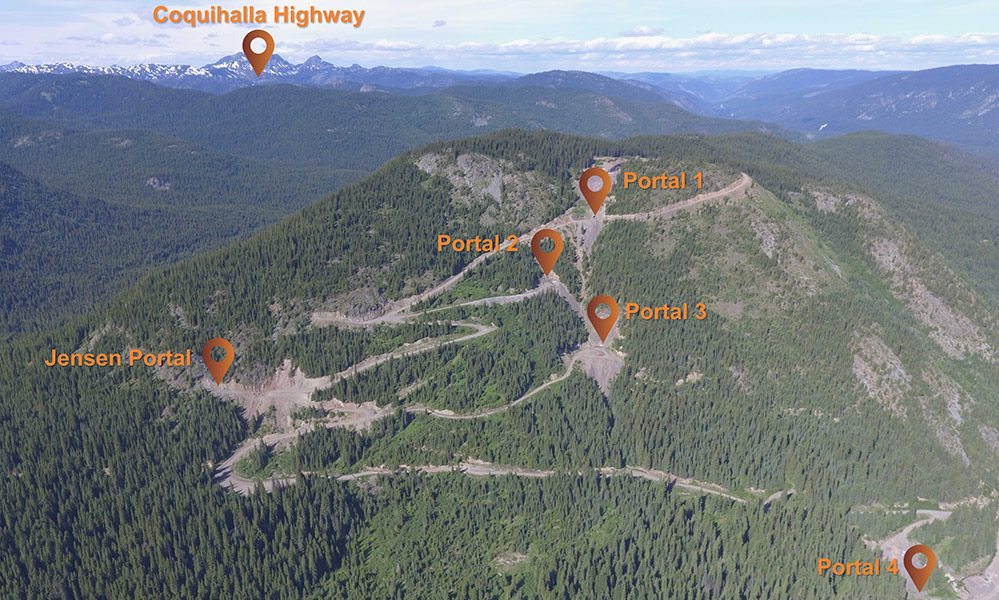
On 27 July 2026, independent engineering and consulting firm McElhanney inspected levels one and two, assessing underground access, existing development, and infrastructure as part of Nicola’s proposed restart.
The findings, announced in September, were more encouraging than management had anticipated.
Both levels remained accessible, substantial sections of the underground development were open, and natural ventilation continued to function through connected raises.
Inspectors found no major collapse zones or flooded workings that prevented access to the areas examined. Existing drifts, crosscuts, stopes, raises, and underground drill stations were also identified.
“The findings provide an encouraging starting point for our evaluation of restarting Treasure Mountain,” says CEO Peter Espig.
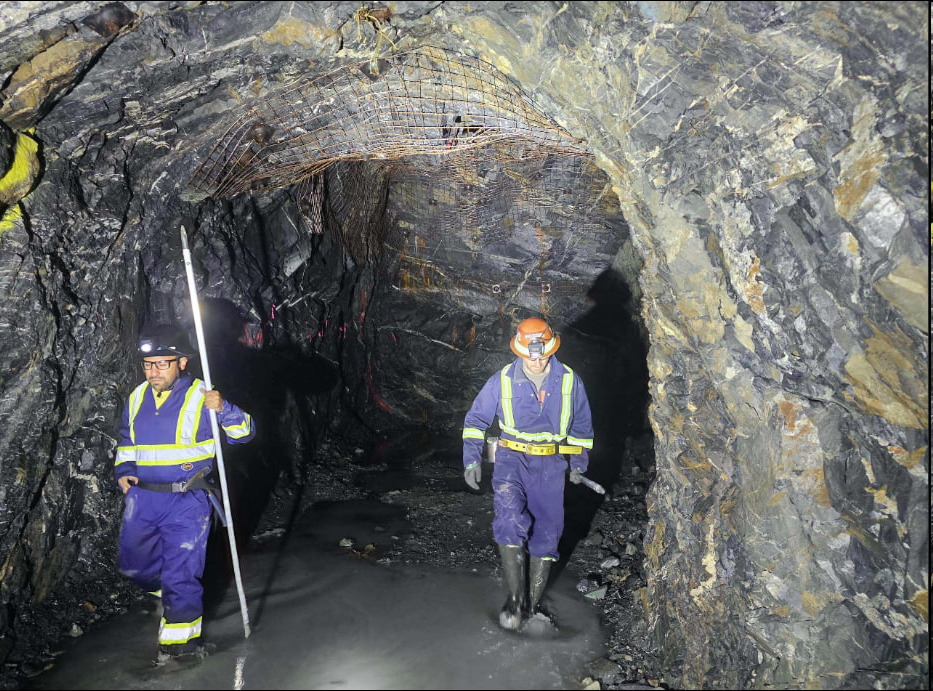
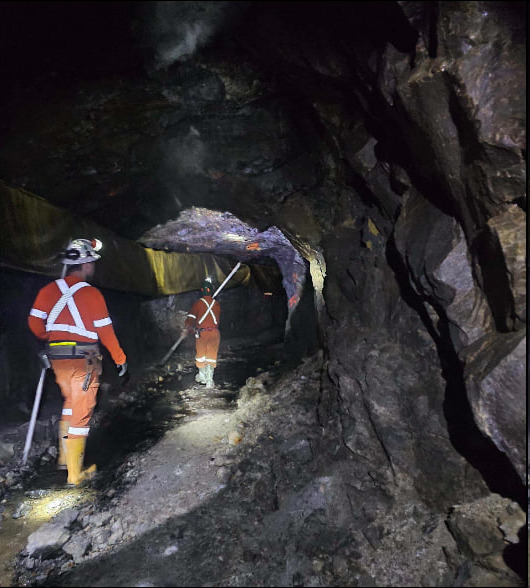
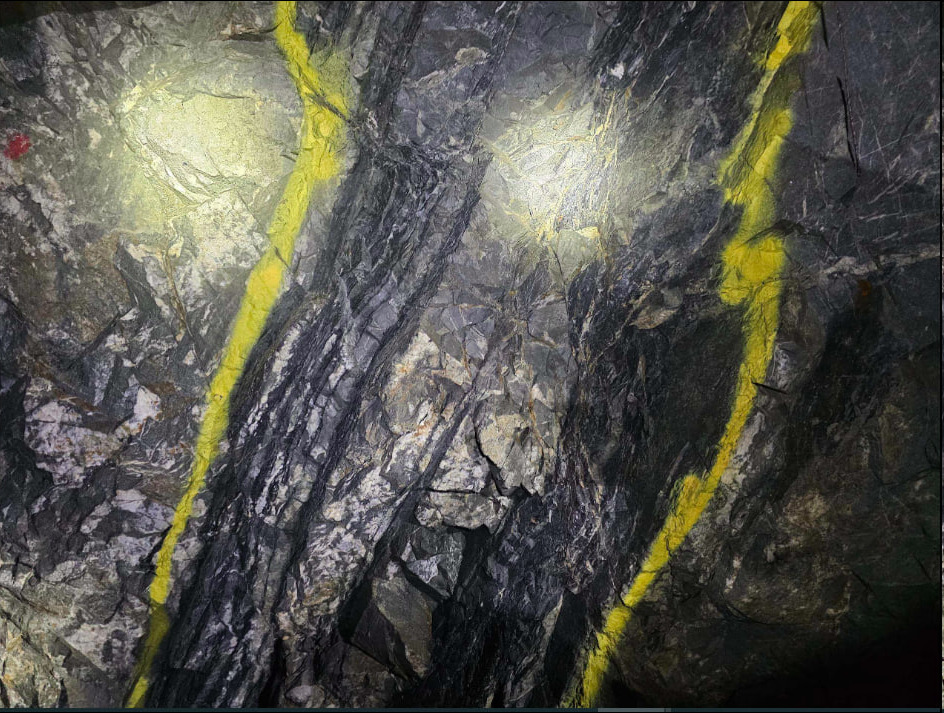
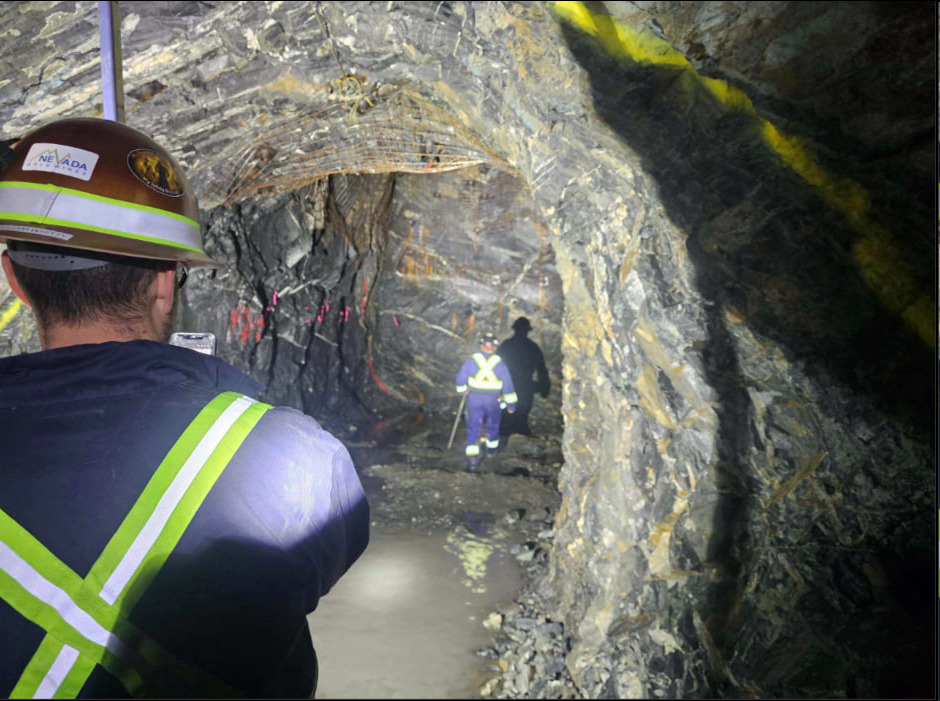
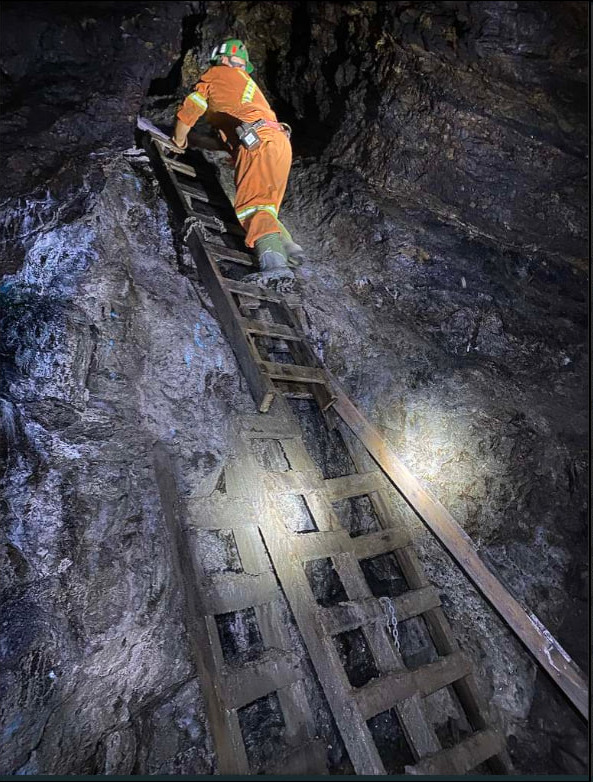
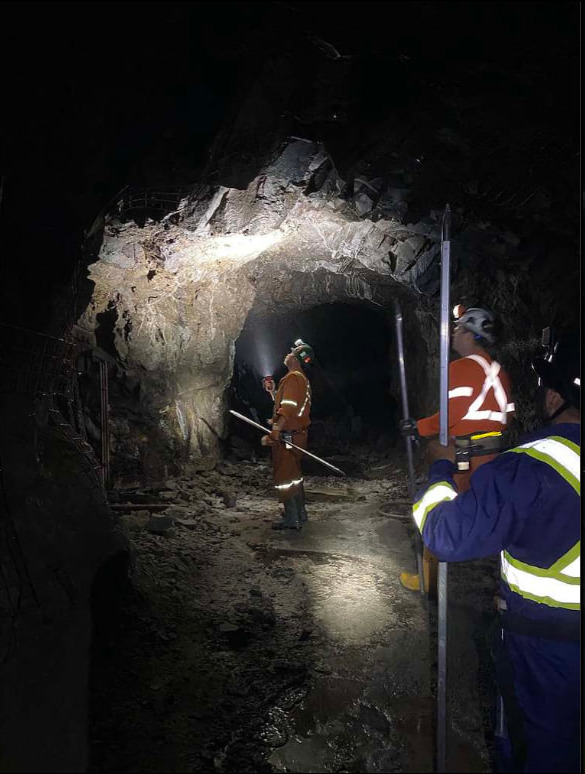
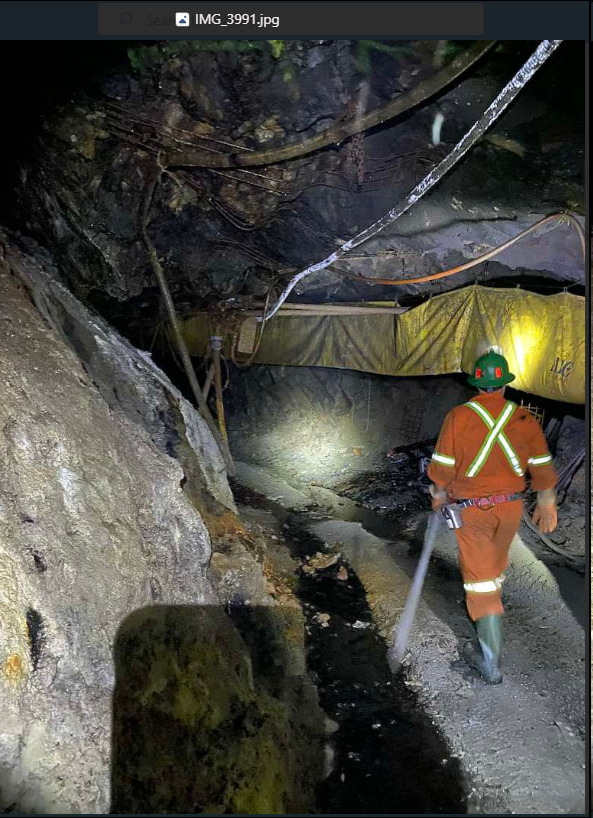
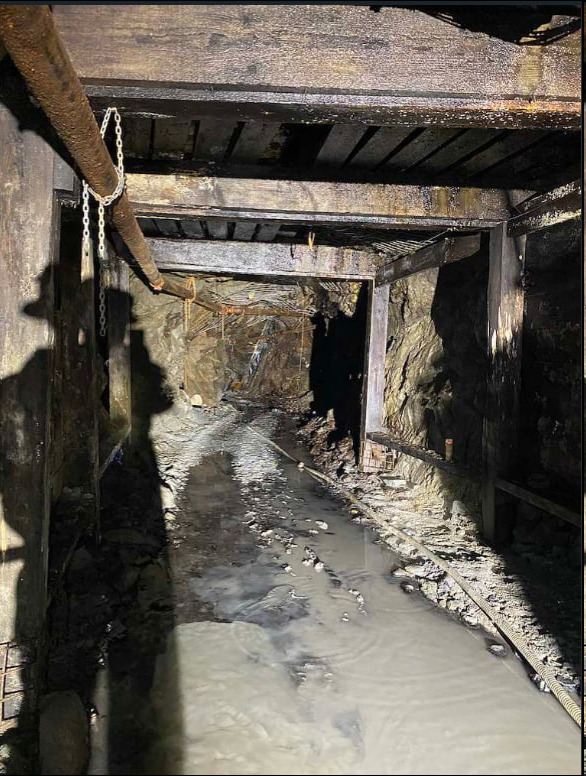
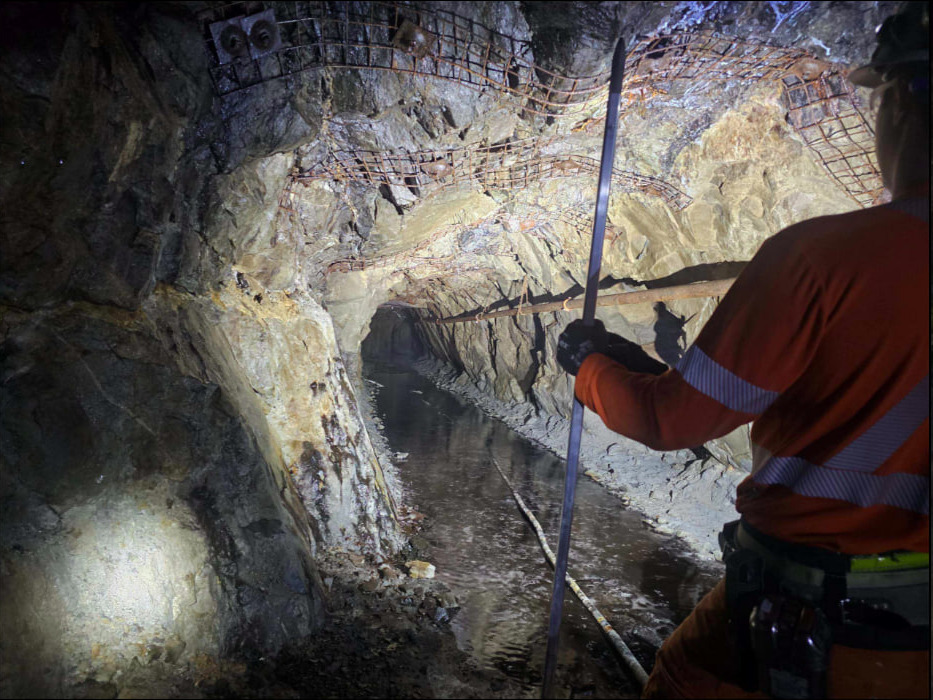
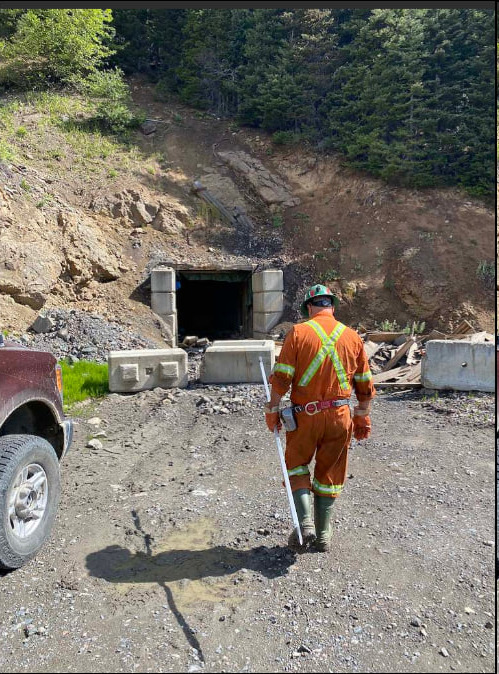
“Most important point is that an independent engineering inspection found Treasure Mountain in better condition than expected after about 13 years of inactivity. Both Portal 1 and Portal 2 are accessible, substantial underground workings remain open, and natural ventilation is still functioning. They are moving from ‘exploration’ toward an actual mine restart,” Laura Stein wrote in a recent newsletter.
Nicola’s next phase includes detailed geotechnical assessments, underground surveying, mapping, and a review of historical mining records.
The aim is to identify areas that could support an initial restart and determine what work and investment would be needed to return the operation to production.
Silver strengthens restart economics
The recovery in silver prices is one of the key factors supporting Nicola’s renewed interest in Treasure Mountain.
According to The Silver Institute, silver’s annual average price increased 42% in 2025. Stronger investment demand, tightening physical inventories, and continuing supply deficits supported the rise.
The momentum carried into 2026, although the market has experienced considerable volatility.
In early October, silver climbed above US$61 ($87) an ounce. Despite declining 3.49% over the preceding month, the metal remained 16.53% higher than a year earlier.
The improved price environment contrasts with the conditions facing Treasure Mountain when Nicola placed the mine on care and maintenance in 2013.
Espig explains that management continued to recognise the property’s potential throughout its years of inactivity, but weaker silver prices made a restart less attractive.
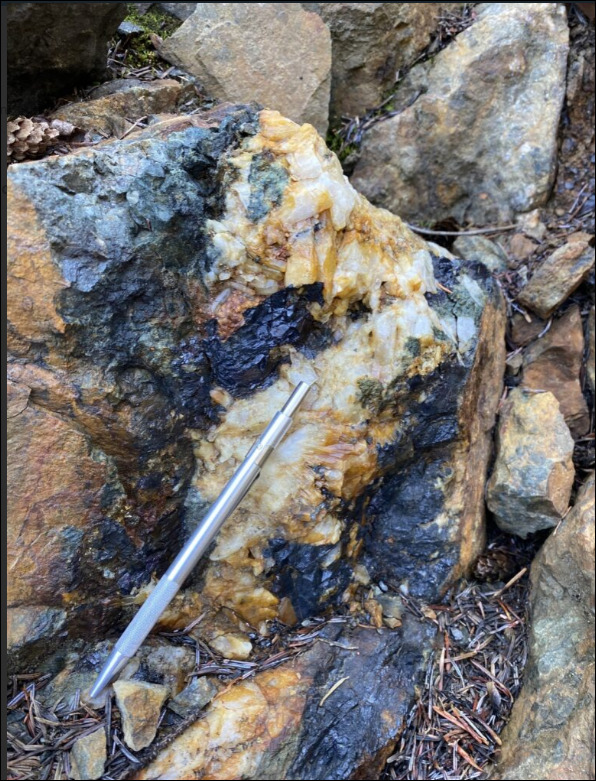
Treasure Mountain’s polymetallic mineralisation offers another potential source of income.
Espig believes lead and zinc revenue could help offset operating expenses, leaving silver to contribute significantly to margins.
That proposition remains dependent on updated mining costs, metallurgical recoveries, and future commodity prices.
Nevertheless, stronger silver prices, combined with existing underground development and access to Nicola’s Merritt Mill, have provided an incentive to reassess the mine.
Returning underground in stages
Rather than reopening the entire operation immediately, Nicola intends to assess a phased restart, beginning with levels one and two.
These areas contain extensive historical underground development, potentially reducing the amount of new excavation required compared with developing an entirely new mine.
McElhanney’s inspection also identified material accumulated in a crosscut near the level one portal.
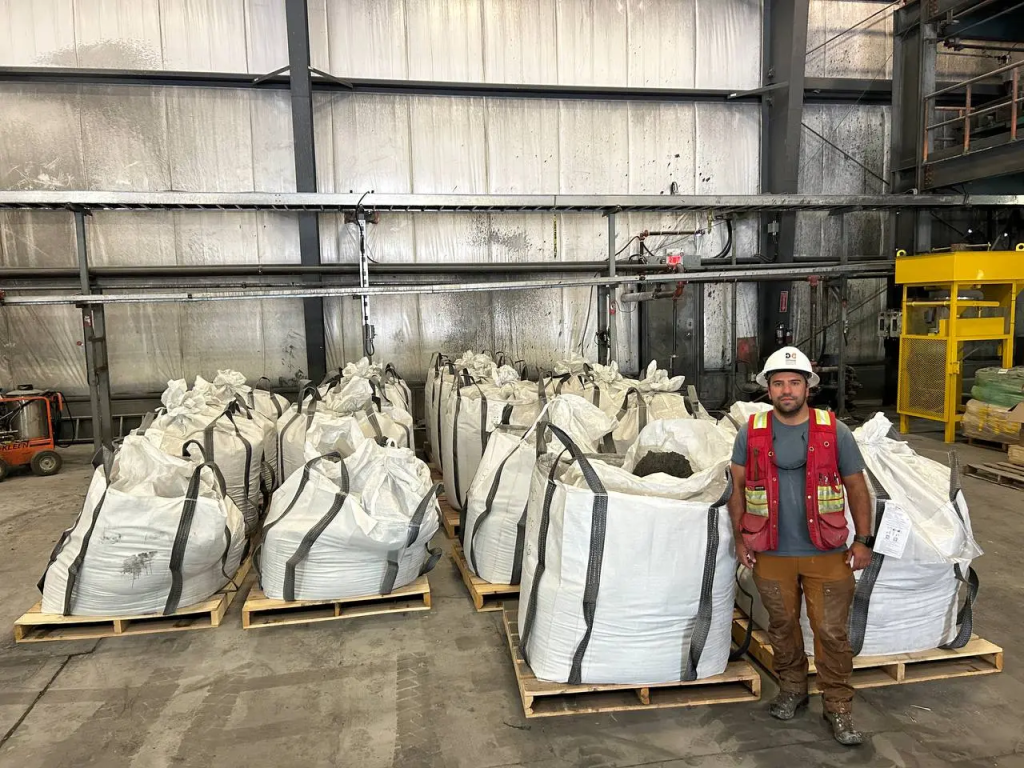
Nicola intends to sample and assay the material once safe access has been established. If sufficient mineralisation is confirmed, it could represent an additional source of future mill feed.
The company is also evaluating partially developed headings and underground drilling locations that may provide access to unexplored areas.
Treasure Mountain retains mining permit M-239, which allows production of up to 60,000 tonnes of ore annually.
While the permit provides an existing regulatory framework, Nicola must still complete its restart evaluations and meet applicable operating requirements.
For Espig, the advantage lies in assessing an asset with existing underground development rather than starting construction from scratch.
Exploration opens new ground
Alongside the restart assessment, Nicola is investigating Treasure Mountain’s broader exploration potential.
The MB zone, approximately 800m northwest of the original mine workings, is an important focus.
Geologists have spent several years conducting mapping, geochemical sampling, and technical studies across the largely unexplored area.
In June 2025, Nicola received a five-year exploration permit covering activities including drilling and geophysical surveys.
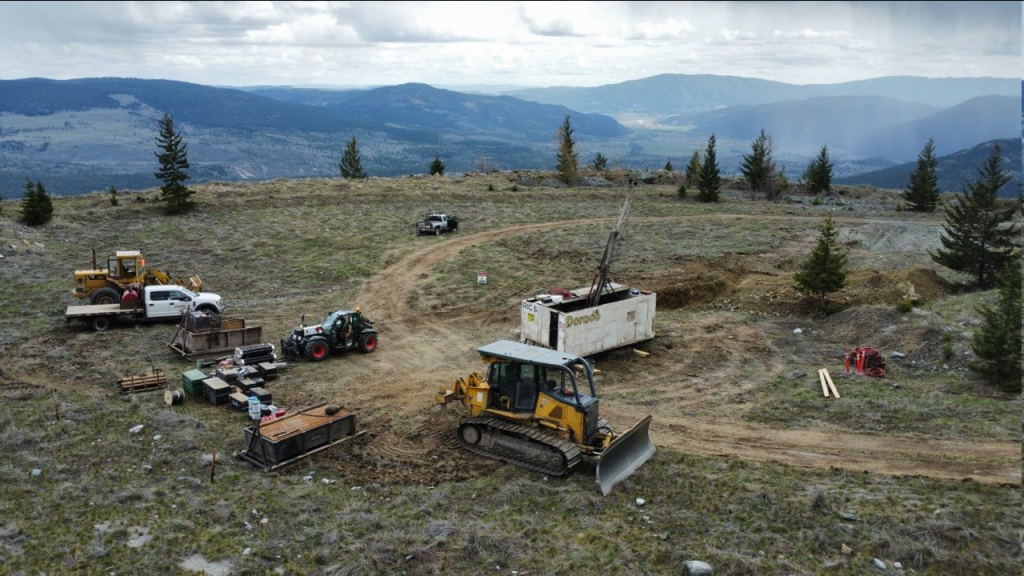
The company commenced its first diamond drilling program at the MB zone in September 2026.
On 8 October, Nicola announced it had completed four drill holes totalling approximately 800m, targeting a northeast–southwest-trending quartz-sulphide vein system.
Visual inspection of the core identified intervals containing pyrite, pyrrhotite, and sphalerite.
The drilling represents a new phase of exploration at a property historically associated with silver, lead, and zinc production.
Although Treasure Mountain has a historical mineral resource estimate, it cannot be treated as a current estimate without appropriate verification and updating.
Nicola therefore has two distinct priorities: assessing the restart of the established underground mine and investigating whether unexplored parts of the property could support future discoveries.
Merritt Mill supports production ambitions
An important part of Nicola’s strategy is its ownership of the Merritt Mill processing and tailings facility in BC.
Merritt is the only facility in the province permitted to process gold and silver ore from third-party sources.
The operation currently has installed processing capacity of over 200 tonnes per day. A new 500-tonne-per-day ball mill has been purchased and is already onsite, ready for installation.
The facility includes gravity recovery and flotation circuits, allowing it to process different types of mineralised material.
Nicola is also developing sources of mill feed through its Dominion Creek Gold Project and agreements with Blue Lagoon Resources (CSE:BLLG) and privately held Red Eye Resources.
Espig highlights the importance of securing material from multiple projects to support the company’s processing operations.
“Just think of the mill as this hungry facility,” Espig says.
He explains that Nicola is directing mill feed from multiple sources to Merritt, with Treasure Mountain expected to provide another supply once production resumes.
The ability to use an existing processing facility differentiates Nicola’s proposed restart from projects requiring entirely new processing infrastructure.
First Nations relationships matter
As Nicola advances its operational and exploration activities, relationships with First Nations and surrounding communities remain a focus of its strategy.
Espig says meaningful engagement is important for mining companies operating in BC, particularly as Indigenous participation and consultation have become increasingly significant in the province’s resource sector.
Although Nicola already holds permits for its existing operations, Espig emphasises that the company’s approach to community relationships extends beyond regulatory requirements.
He has completed postgraduate studies in Indigenous law and says he is undertaking Indigenous language courses to deepen his understanding of local cultures.
“When you learn a language, you learn the culture,” Espig says.
He believes relationships with First Nations and broader communities should be built on mutual understanding, rather than viewed simply as a step towards securing project approvals.
Community support is particularly important because mining employees live and work in the regions surrounding company operations.
Nicola’s relationship with Lower Nicola Site Services (LNSS) provides an example of this approach.
LNSS is indirectly majority-owned through a partnership between the Lower Nicola Indian Band Development Corporation and Infracon Construction.
Nicola has an agreement with LNSS covering rock and gravel extraction at the Craigmont mine site near Merritt.
Originally established in March 2022, the agreement has now been extended until 3 March 2033.
The partnership supports Indigenous economic participation in operations on Nicola-owned land and establishes a longer-term framework for collaboration.
Copper provides additional upside
Beyond Treasure Mountain, Nicola continues exploring its New Craigmont Copper Project near Merritt.
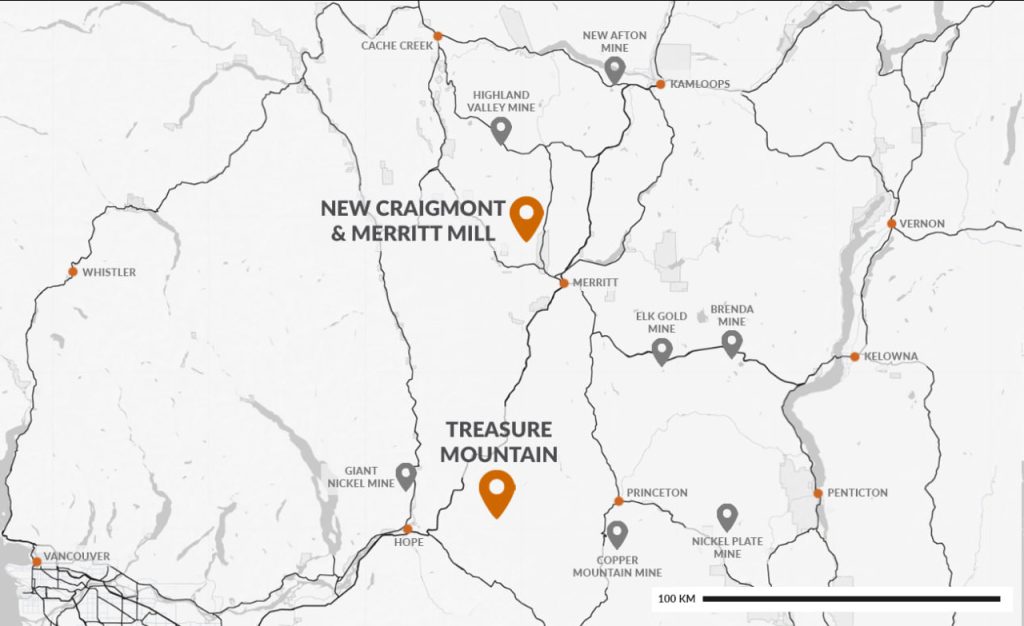
The property is located adjacent to Teck Resources’ (NYSE:TECK) Highland Valley Copper, Canada’s largest copper mine, and contains the original Craigmont mine.
Earlier this year, Nicola announced it had identified a new copper porphyry system during its 2026 exploration program.
Further geological analysis and drill results will help determine the significance of that work.
Although copper presents a longer-term exploration opportunity, the immediate focus is on increasing processing activity at Merritt, advancing gold operations, and preparing Treasure Mountain for its proposed restart.
Optimo sees growth potential
In its September 2026 research update, Optimo Research identified Nicola Mining as a potential consolidator of smaller gold and silver projects across BC, with its Merritt processing facility providing a competitive advantage.
Analyst Dr Michael Green said Nicola’s ability to process ore from projects that cannot justify building their own mills positions the company to expand through acquisitions and partnerships. He also sees the proposed reopening of Treasure Mountain as an important contributor to future production and cash flow.
Optimo forecasts that Nicola will become profitable in 2026, with substantial revenue and earnings growth anticipated in 2027 as Treasure Mountain, Dominion Creek, and other milling partnerships contribute to operations.
The research firm also highlights the longer-term exploration potential of the New Craigmont Copper Project.
The path towards 2027
The next phase at Treasure Mountain will be critical in determining whether Nicola can achieve its 2027 production target.
The company must complete underground engineering and rehabilitation assessments, interpret results from the MB zone drilling, and establish a practical mine plan.
With work underway both above and below ground, Treasure Mountain is entering a new chapter.
For Nicola Mining, successfully bringing the mine back into production would provide another potential source of precious metals while maintaining exposure to exploration opportunities across its British Columbia portfolio.
Write to Bruno Venditti at Mining.com.au
Images: Nicola Mining


