


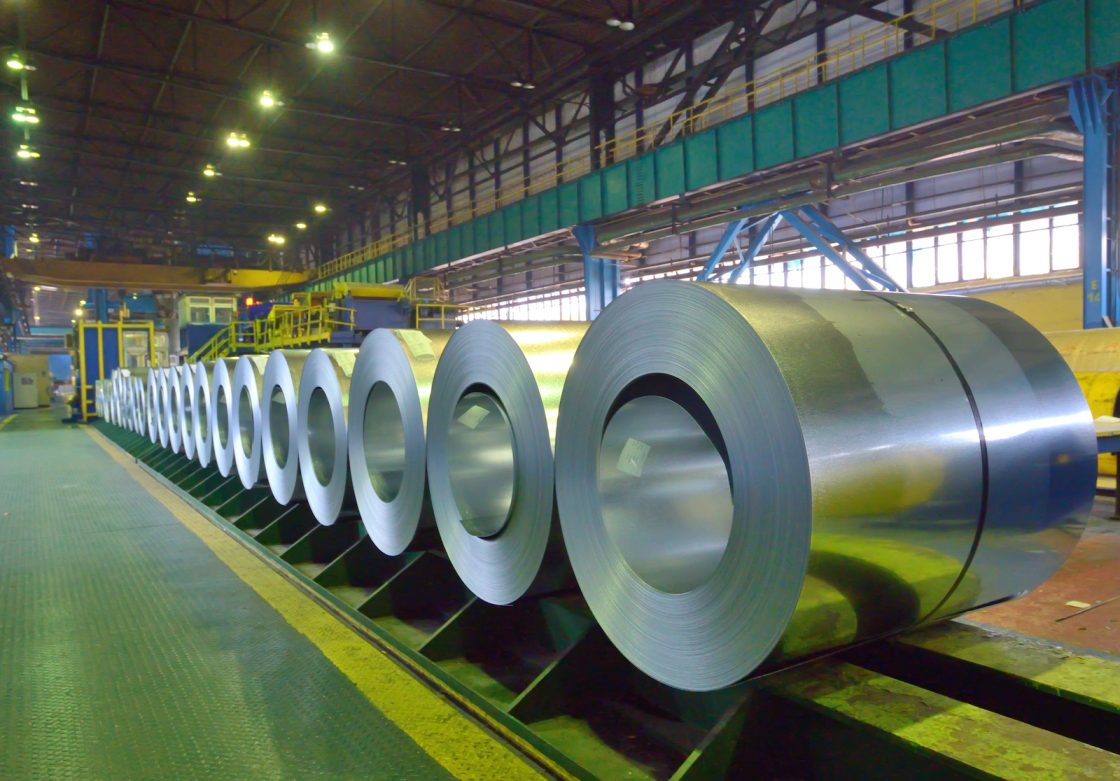
IN LONDON: The European Commission has launched an investigation into the increased imports of grain-oriented electrical sheets – a steel product used in electrical equipment such as power transformers.
Grain-oriented electrical sheets enable electricity to be transmitted from power plants to end users, such as factories, shops and private households.
EU-based manufacturers are currently experiencing unprecedented difficulties, faced with high import pressure from third countries, particularly China, that is in turn fuelling growing global overcapacities.
The commission may potentially propose safeguard measures after four or five months, should the investigation confirm that the conditions to do so are met. If measures are imposed, then definitive measures will follow 200 days later.
As part of the investigation, laminations and cores are also being put under microscope, which are obtained after further processing grain-oriented electrical sheets and incorporated into power transformers.
Grain-oriented electrical sheets are also subject to anti-dumping measures on imports from five producing countries, including China, Japan, South Korea, Russia and the US. They are not covered by the steel safeguard or the post-safeguard proposal on steel imports.
Anti-dumping refers to trade policies and protective measures implemented by governments to counteract foreign companies selling goods below cost or domestic market prices, which harm local industries.
According to the latest report from the European Steel Association, steel imports rose by 14% in 2025, with finished product imports increasing by 9%. As a result, the EU’s steel trade balance deteriorated, with the trade deficit widening to around two million tonnes per month, including 1.2 million tonnes of finished products.
EUROFER Director-General Axel Eggert says Europe’s steel production is getting smaller, while imports as a share of the EU market is rising.
“EU policymakers must therefore agree to the new steel trade measure quickly without it being weakened otherwise Europe risks losing more industrial capacity,” Eggert says.
“If the EU wants to keep steel production and green investment here, it must deliver both effective trade defence and affordable electricity.”
Europe’s steel market is estimated to have shown signs of growth. In 2025, EU crude steel output fell to a historical low of 125.8 million tonnes, compared to 130 million tonnes the previous year.
EU’s apparent steel demand is forecast to grow by 1.3% in 2026. However, the increase reflects a comparison with low demand in previous years, rather than a demand-driven recovery.
Write to Aaliyah Rogan at Mining.com.au
Images: iStock


