


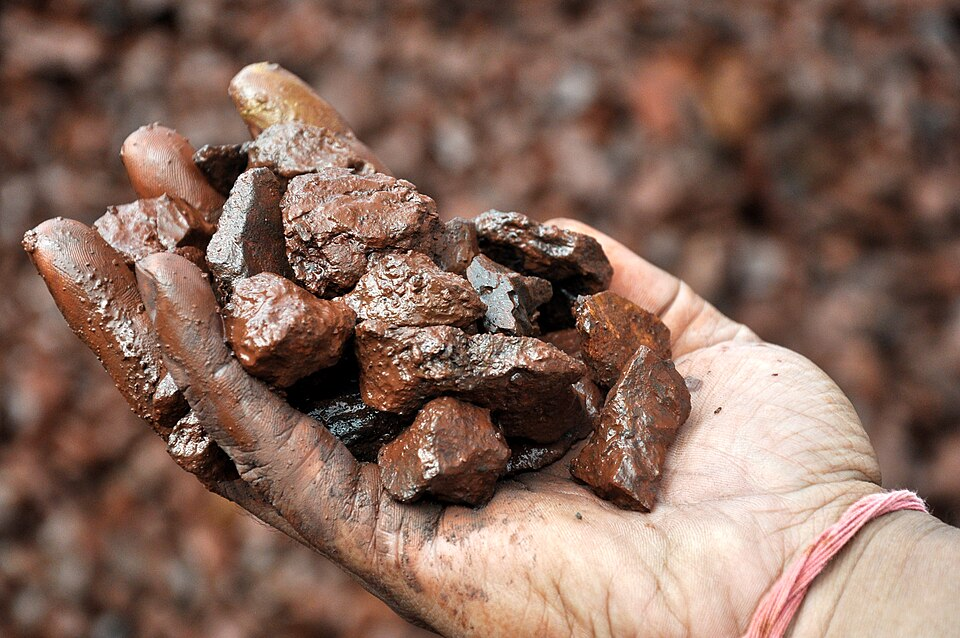
Large mineral resources can attract attention, but project value depends on a combination of geological, technical, economic, and market factors.
Context and background
Mining announcements often highlight the size of a mineral resource. Large tonnage figures can appear impressive and may suggest a project has strong potential.
However, resource size alone does not determine whether a project will be economically successful. Mining projects involve complex technical and financial considerations that extend well beyond the amount of mineralisation present.
Understanding the factors that influence project value helps investors interpret resource announcements more realistically and recognise the difference between geological scale and economic viability.
Resource size versus economic value
A mineral resource describes the quantity and grade of mineralisation with reasonable prospects for eventual economic extraction. It provides an estimate of what exists in the ground based on geological evidence and drilling data.
Project value, by contrast, depends on whether that mineralisation can be mined and processed profitably.
A large resource may contain significant mineralisation but still face economic challenges. Conversely, smaller deposits with favourable characteristics may support profitable operations.
The relationship between resource size and value depends on several key factors.
The role of grade
Grade refers to the concentration of a valuable mineral within rock. It is commonly expressed as grams per tonne or as a percentage.
Higher-grade deposits contain more metal within each tonne of material. This generally improves project economics because less material needs to be mined and processed to produce the same amount of metal.
Lower-grade deposits can still be viable, particularly if they occur in large volumes and support efficient large-scale mining. However, these projects rely heavily on favourable cost structures and stable commodity prices.
Grade therefore plays a central role in determining whether a resource can become an economically viable project.
Metallurgy and processing performance
Metallurgy refers to the process of extracting valuable minerals from ore.
Even if mineralisation is present at attractive grades, processing challenges may limit recovery rates. Some minerals occur in forms that are difficult to separate from surrounding rock, while others require complex processing methods.
Metallurgical testing helps determine how efficiently a mineral can be recovered and what processing techniques are required.
Lower recovery rates reduce the amount of saleable product produced from mined material. Complex processing can also increase capital and operating costs.
As a result, metallurgy can significantly influence the economic potential of a project.
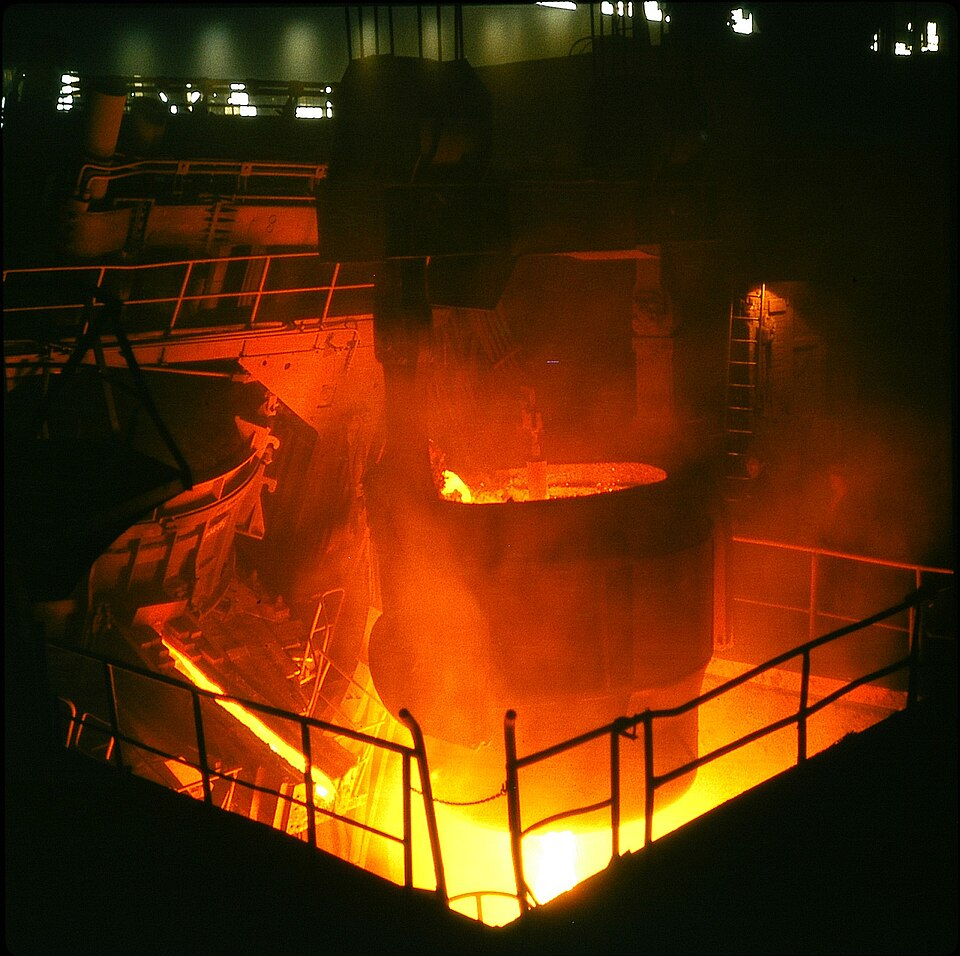
Location and infrastructure
The location of a project often plays a major role in determining its value.
Projects located near existing infrastructure may benefit from access to roads, power, water, and ports. These factors can reduce capital expenditure and simplify logistics.
By contrast, remote projects may require significant investment in infrastructure before mining can begin. This can increase development costs and extend project timelines.
Jurisdiction also matters. Regulatory frameworks, permitting processes, and political stability can influence both project risk and investor confidence.
Mining and operating costs
Mining projects involve substantial costs throughout their lifecycle.
Operating costs typically include:
- Labour and workforce expenses
- Fuel and power consumption
- Equipment and maintenance
- Processing reagents and consumables
Capital costs must also be considered. These include expenditures required to construct the mine, processing facilities, and supporting infrastructure.
Even large resources may struggle to generate value if capital requirements are too high or operating costs exceed expectations.
Commodity prices and market conditions
Commodity prices play a major role in project economics.
Higher prices can improve margins and support development of lower-grade deposits. Conversely, declining prices may reduce profitability or delay investment decisions.
Market conditions also influence investor sentiment and access to financing. Periods of strong commodity demand often encourage exploration and development, while weaker markets may slow project advancement.
Because commodity markets fluctuate over time, project evaluations typically rely on long-term price assumptions rather than short-term market movements.
Project scale and development strategy
The scale of a project can influence its economic performance.
Large deposits may support long mine lives and significant production volumes, but they can also require substantial upfront investment. Smaller projects may involve lower capital requirements and faster development timelines.
Companies must balance scale with financial and operational considerations when evaluating development strategies.
In some cases, staged development allows companies to begin with smaller operations and expand as market conditions permit.

Why large resources can still struggle
Several factors can limit the economic value of large resources.
Common challenges include:
- Low grades requiring large processing volumes
- Difficult metallurgy that reduces recoveries
- Remote locations with limited infrastructure
- High capital expenditure requirements
These constraints illustrate why geological size does not automatically translate into financial success.
Why it matters
Resource size often attracts initial attention, but deeper analysis is required to assess project potential.
For investors, understanding the factors behind project value helps explain:
- Why some large deposits remain undeveloped
- Why smaller projects may advance more quickly
- Why feasibility studies attract significant attention
Evaluating grade, metallurgy, location, costs, and market conditions provides a more balanced perspective on project prospects.
Conclusion
A mineral resource describes the amount of mineralisation present in the ground, but project value depends on many additional factors. Grade, metallurgy, location, operating costs, and commodity prices all influence whether a resource can support profitable mining.
Understanding this distinction helps place resource announcements in context and highlights why economic evaluation plays a central role in the mining project lifecycle.
Images: Wikimedia Commons & Na Pali Riders
This resource is made possible through our collaboration with MDF Global, reflecting its ongoing commitment to elevating the standard of discourse within the Australian resources sector. Together, we are providing the specialised knowledge necessary for the next generation of industry leaders and investors to identify value in an increasingly complex global landscape.


