


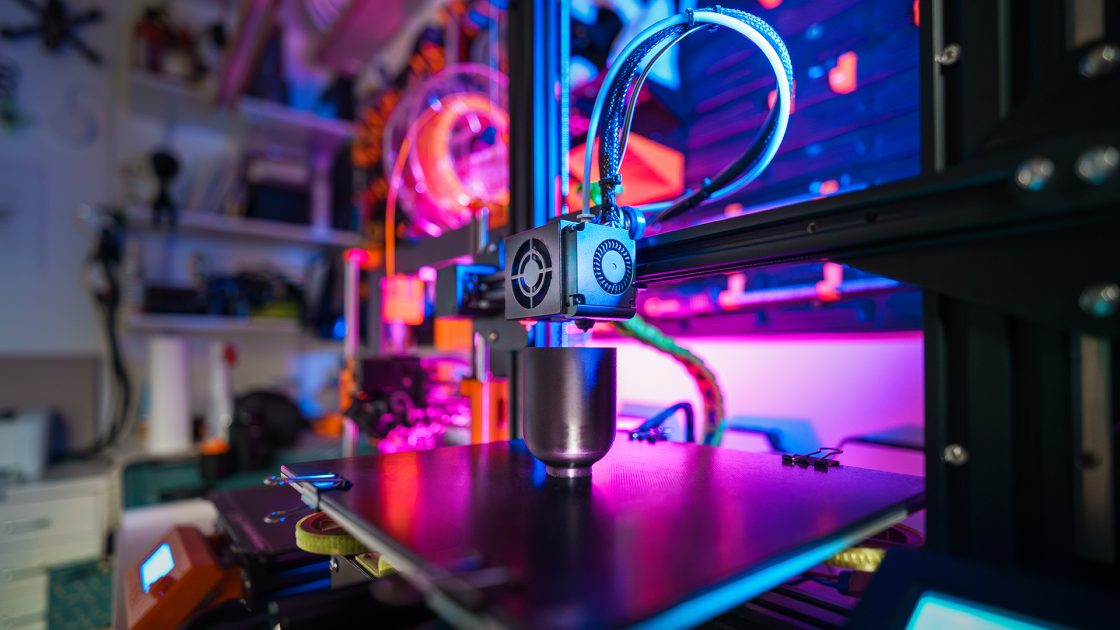
Scandium Canada (TSX-V:SCD) has 3D printed test coupons using its two patent-pending aluminium-scandium powders at a research facility in Ontario, Canada.
The two coupons were printed using laser powder bed fusion by Scandium Canada’s research collaborators at McMaster University’s Faculty of Engineering.
Laser power bed fusion is a 3D printing process that uses a laser to melt and fuse powdered material to create solid layers.
Scandium Canada says using aluminium-scandium alloys reduces the incidence of solidification microcracks during 3D printing.
Duplicate coupons were printed with Scandium Canada’s two patent-pending alloys and a commercial alloy used in 3D printing for comparison.
The company, which has a market capitalisation of C$6.3 million ($6.9 million), expects to assess the mechanical properties of these coupons, with and without heat-tempering subsamples, within the next two months.
Once Scandium Canada has the results of this, it will conduct targeted marketing of the powders in industrial sectors with a short adoption cycle and an urgent need for new solutions.
The company’s end goal is for its modified alloy to displace standard 7075 alloys, which are used in industries including aerospace, automotive, and military.
These alloys are favoured because they are used in applications that require high strength such as aircraft wings and fuselage, aircraft fittings, fuse parts, gears and shafts, missile parts and regulating valve parts.
Adding just 0.4% scandium to aluminium alloys shows as much as an eightfold increase in strength.
Utilising aluminium-scandium alloys for the welding of aircraft structures rather than rivets for assembly is tipped to reduce weight and generate C$10 to C$15 million in fuel savings over an aircraft’s lifetime.
Major aircraft manufacturer Boeing estimates that the use of aluminium-scandium alloys would contribute to lightweighting and reduce manufacturing costs by up to $US3 million ($4.8 million) per aircraft.
In September 2024, Scandium Canada filed a provisional patent application for its two aluminium-scandium alloys with the US Patent and Trademark Office.
Following the filing of the patent application, Scandium Canada began to approach potential users wishing to independently test the properties of parts to be manufactured by 3D printing.
CEO Guy Bourassa told Mining.com.au earlier in February that the filing of the patent reflects the company’s ambition to establish itself as a key player in the field of critical materials, while adhering to responsible and sustainable practices.
Dr Luc Duchesne, Chief Science Officer and head of the value-add division, will be presenting at this year’s Prospectors & Developers Association of Canada (PDAC) event being held from 2-5 March in Toronto, Canada.
The annual award winning convention brings together up to 30,000 attendees from over 130 countries for its educational programming, networking events, as well as business and investment opportunities.
Mining.com.au is an official media partner for the upcoming event.
To register for PDAC 2025 click here.
Write to Angela East at Mining.com.au
Images: iStock


