

Scandium Canada (TSX-V:SCD) has moved to patent its two aluminium-scandium alloys and their powders designed specifically for additive manufacturing (3D printing) applications.
The company, which has a market capitalisation of C$6.8 million ($7.3 million), has filed a provisional patent application with the US Patent and Trademark Office.
The application is titled “Aluminium alloy powders for additive manufacturing. Methods of producing the same and uses thereof”.
Scandium Canada developed the two alloys in partnership with McMaster University in Ontario, which the company says has culminated in a “significant body of intellectual property developed over the last three years”.
Chief Science Officer Luc Duchesne says the commercial emergence of aluminium powders in 3D printing represents a significant advancement in additive manufacturing technology.
“With the filing of patents such as the one by Scandium Canada Ltd, the potential for using aluminium alloy powders for 3D printing applications using aluminium scandium alloys has increased,” he says.
“This development creates new possibilities for manufacturing lightweight, high-strength components, particularly in aerospace, automotive, and maritime industries.
“3D printing has the potential to revolutionise the way metal components are manufactured, offering greater design flexibility and efficiency in production processes.”

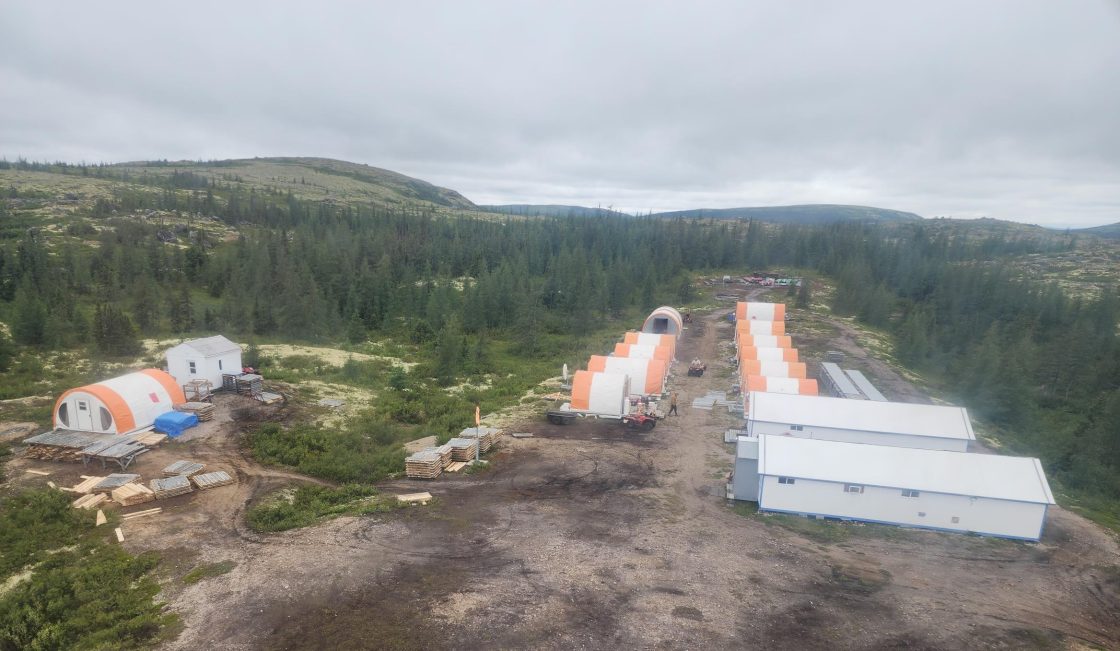
The junior explorer is also advancing its flagship Crater Lake Scandium and Rare Earth Project in Québec.
CEO Guy Bourassa says scandium is the metal of the future, and the company is deeply engaged in its development and market growth.
“We are very excited about this new step in the development of the company,” he says.
“It confirms our objective to be recognised as a leader in the scandium markets, not only by developing the largest hard rock primary scandium project in the world but also by developing applications for scandium.”
Crater Lake has an indicated resource of 7.3 million tonnes @ 282 grams per tonne (g/t) and an inferred resource of 13.2 million tonnes @ 264 g/t for the Northern Lobe of the TG Zone.
Bourassa says over the next few months, Scandium Canada will explore options with commercial and research partners in Canada and abroad to monetise its 100% owned intellectual property to generate revenues and offtake agreements separate from its mining activities.
Write to Angela East at Mining.com.au
Images: Scandium Canada