


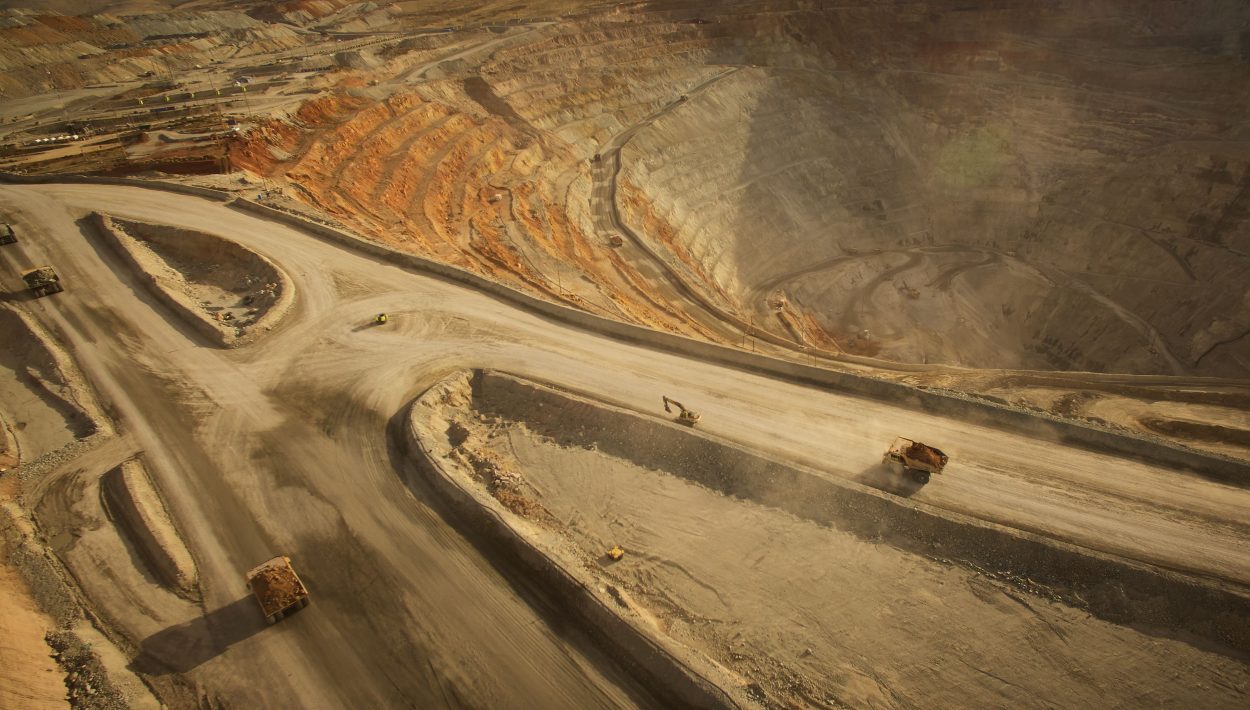
Glencore’s (LSE:GLEN) Coroccohuayco Copper Project is set to begin first production in H2 2029, following its subsidiary Antapaccay completing a land use agreement.
Securing the required land use rights is considered an ‘important’ milestone for Coroccohuayco’s advancement and long-term operations.
Coroccohuayco is expected to extend the Antapaccay mine life to more than 40 years. The project is anticipated to produce 148,000 tonnes of copper per year.
Going forward, Glencore’s focus will be on obtaining the remaining permits and progressing construction.
The copper market entered 2026 with limited capacity to absorb further supply disappointments, as Sprott reported.
Disruptions at the Grasberg and Kamoa-Kakula copper mines in 2025 alone removed an estimated 600,000 tonnes from expected 2026 production.
Consequently, Glencore’s Coroccohuayco Project could help ease copper supply constraints in the longer term.
As copper output declined amid disruptions, ageing assets, lower ore grades, and persistent weakness in Chile, deepening the market deficit, explorers and developers are advancing projects to bring more copper to market.
Chile: Narryer and Lodestar
South America is an extremely copper-rich region, holding 40% of the known global copper reserves. Chile and Peru alone produce 40–45% of the world’s copper.
Narryer Metals (ASX:NYM) owns the Redhill Copper Project in the Magallanes region of southern Chile.
Redhill contains a resource of 4.3 million tonnes @ 1.70% copper, 33 grams per tonne silver, 0.30g/t gold.
“The Redhill Copper Project represents a rare, district-scale opportunity in a premier, mining-friendly jurisdiction,” Executive Chairman Richard Bevan says.
“Cutters Cove, the most advanced area within the project, features historic, high-grade copper production, an existing resource, and a substantial exploration target.”
Cutters Cove benefits from near-shore access via barge from Punta Arenas, with established logistics infrastructure including tracks between historical mine workings, an existing helipad, and direct barge access for loading and unloading heavy vehicles.
Multiple drill targets have been uncovered, with vein extensions and consistent copper, silver, and gold anomalism along strike.
The project’s exploration potential positions Narryer Metals to advance the copper asset towards development.
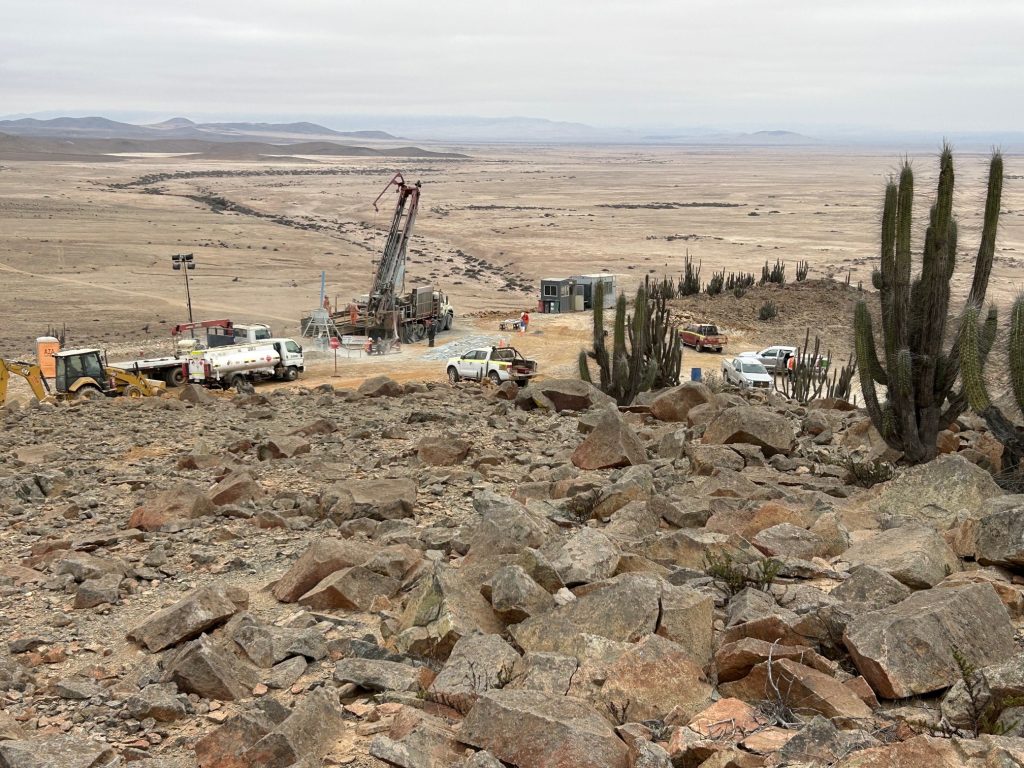
Lodestar Minerals (ASX:LSR) also has a growing copper footprint in Chile.
Earlier this year, the company secured five exploration tenements, along with three contiguous tenement applications.
The Pacifico Copper-Molybdenum-Gold Porphyry Project, located in the Atacama region, provides Lodestar with a ‘compelling’ opportunity to evaluate a prospective porphyry trend.
“Historical drilling has already demonstrated the presence of porphyritic intrusions carrying copper and molybdenum mineralisation, while the central part of the project remains comparatively underexplored and has never been drilled,” CEO Coraline Blaud says.
The company also owns the Three Saints Iron Oxide Copper-Gold (IOCG) Project, where it is reprocessing existing geophysical data. Reprocessing activities aim to trace mineralised structures towards volcanic and sedimentary rocks that the company considers more favourable host rocks.
Botswana: Vantage Metals
Alongside South America, Botswana’s copper sector is rapidly expanding as the country diversifies away from diamonds.
This is largely driven by the Khoemacau Copper Mine, as well as major exploration across the Kalahari Copper Belt.
Khoemacau produces about 50,000 tonnes of copper annually and is expanding to 130,000 tonnes by 2028.
Vantage Metals (ASX:VAN) is exploring more than 4,268km2 at its Kalahari Copper Project. The area is underlain by prospective sedimentary and volcanic rock sequences within the Mesoproterozoic–Neoproterozoic Ghanzi-Chobe Belt.
The company recently intersected an interpreted contact between the Ngwako Pan and D’Kar formations, confirming a key stratigraphic control on copper-silver mineralisation in the Kalahari Copper Belt.
“From here, we will focus on the down-dip and along strike position of the contact and aim to vector in on areas with structurally similar geophysical signatures,” CEO Will Dix says.
Together, these companies highlight the importance of copper exploration and the progress being made to bring new projects into production and support future supply.
Write to Aaliyah Rogan at Mining.com.au
Main image: Glencore


