


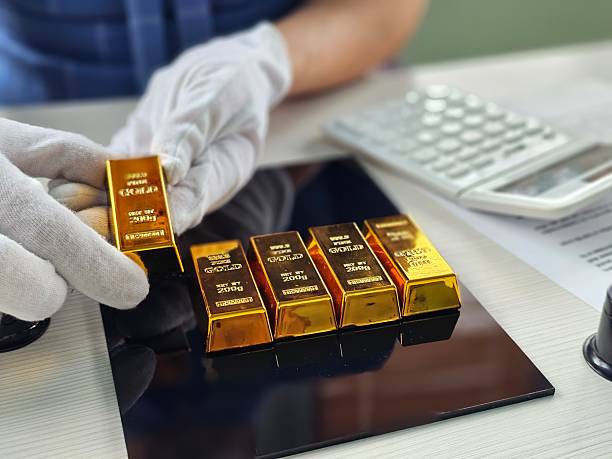
The gold price climbed above US$4,170 ($5,977) an ounce on Monday as shifting expectations for US monetary policy and renewed safe-haven demand supported the precious metal, bringing gold explorers back into focus.
The precious metal’s price stood at US$4,177.5 at the time of writing.
The recovery came after Federal Reserve Chair Kevin Warsh made remarks that prompted traders to scale back expectations of another interest rate hike at the central bank’s 27–28 October policy meeting.
Speaking at the International Monetary Fund’s annual meeting in Bangkok on Friday, Warsh refrained from signalling the outcome of the upcoming meeting, while indicating that hotter-than-expected inflation had not altered his assessment of the US economy.
Interest rates remain a key influence on gold prices. As the yellow metal does not generate interest, higher rates can make yield-bearing assets more attractive.
Meanwhile, expectations of a pause in monetary tightening can ease some of the pressure on bullion.
Developers
A sustained period of strength in the gold price could provide a favourable backdrop for gold explorers and developers.
This is particularly evident for companies seeking to define resources, advance development studies, or attract funding for their next phase of work.
Higher bullion prices can improve the potential economics of gold projects by increasing revenue generated from each ounce produced, potentially strengthening project margins.
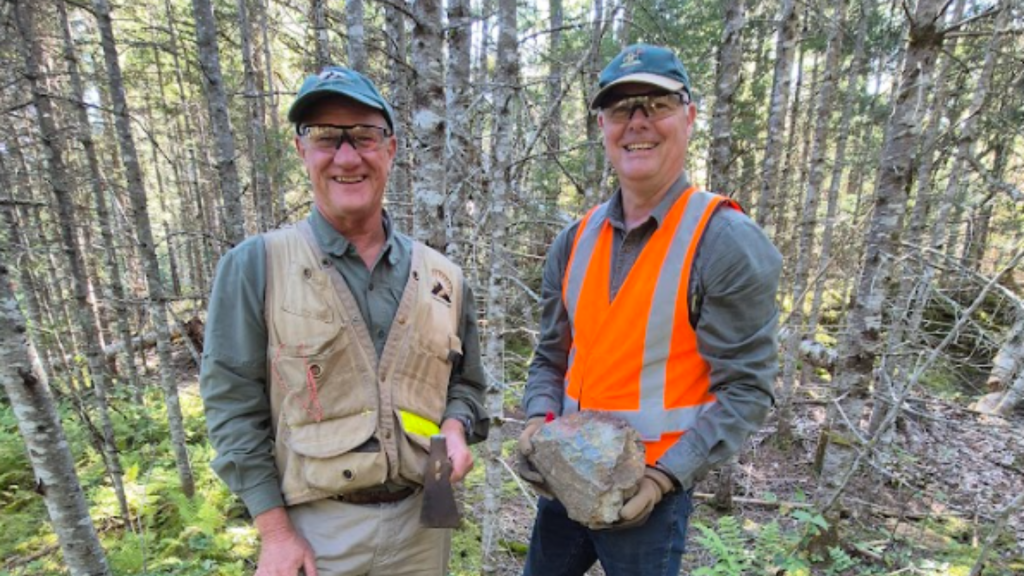
One company advancing gold projects is Albright Metals (ASX:ABR), with a Scoping Study for the Vail Road gold deposit next on the agenda.
Vail Road, located within the Golden Pike Project in Canada, contains a resource of 188,000 tonnes of gold @ 9 grams per tonne, including 33,500 tonnes @ 20.9g/t gold in the indicated category.
CEO Greg Hill previously said that the Scoping Study will support the company to secure project funding.
Albright intends to develop Vail Road to produce a saleable gold-bearing material requiring minimal onsite processing. The study is assessing the technical and economic feasibility of this direct-ship approach.
Another company advancing development studies is Antipa Minerals (ASX:AZY), which expects to release a Prefeasibility Study (PFS) in November for the Minyari Dome Gold-Copper Project in Western Australia.
Processing and mine scheduling studies have been completed to determine the optimal configuration for the project.
Minyari Dome’s preferred pathway comprises carbon-in-leach (CIL) gold doré production, followed by flotation of CIL residue to produce a separate copper concentrate.
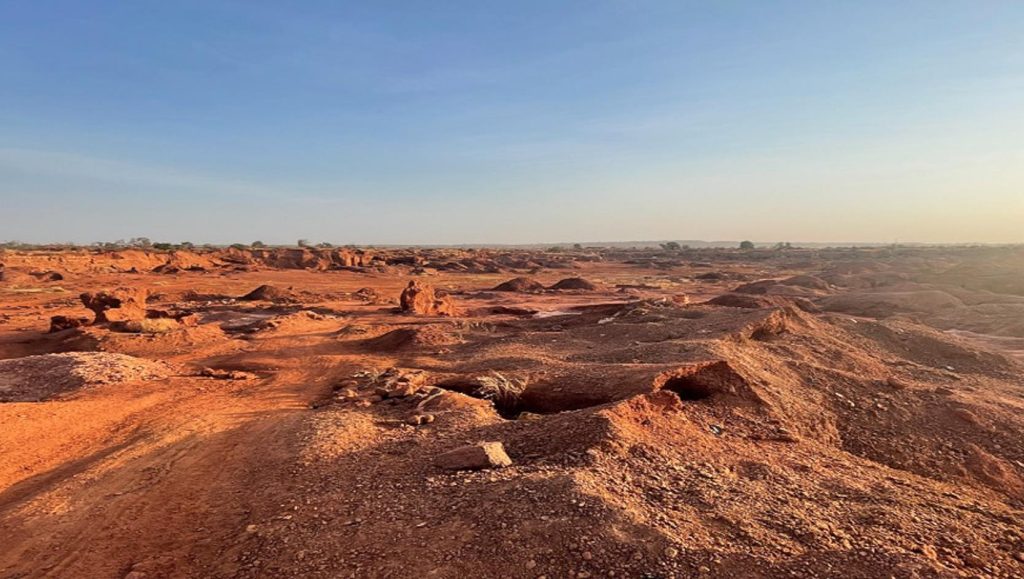
Toubani Resources (ASX:TRE) is also advancing development activities at its Kobada Gold Project in Mali, with first production targeted for Q3 2027.
More than 70% of the project costs are committed, and key procurement is nearing completion, as reported.
Managing Director Phil Russo says the project has “momentum across every work front”.
“With CIL tank erection underway, all long-lead equipment including the ball mill shipped, nearly all procurement completed, and over 900 people working safely on site, the project has real momentum,” Russo says.
Explorers
For explorers, a stronger gold market may help sustain investor interest in discoveries and resource growth.
Green & Gold Minerals (ASX:GG1) is exploring for gold in Far North Queensland via its Herberton Conductor Metals Project.
The company recently completed two drill holes at the Mt Gossan target, while drilling has also begun at the Mt Wandoo target. Drilling is expected to continue until the Christmas break, moving between Mt Wandoo, Copper Hills, and Elizabeth Bluffs.
Mt Wandoo is rapidly advancing towards mine development, with an inferred resource of 32,000 ounces of gold and 387,000 ounces of silver.
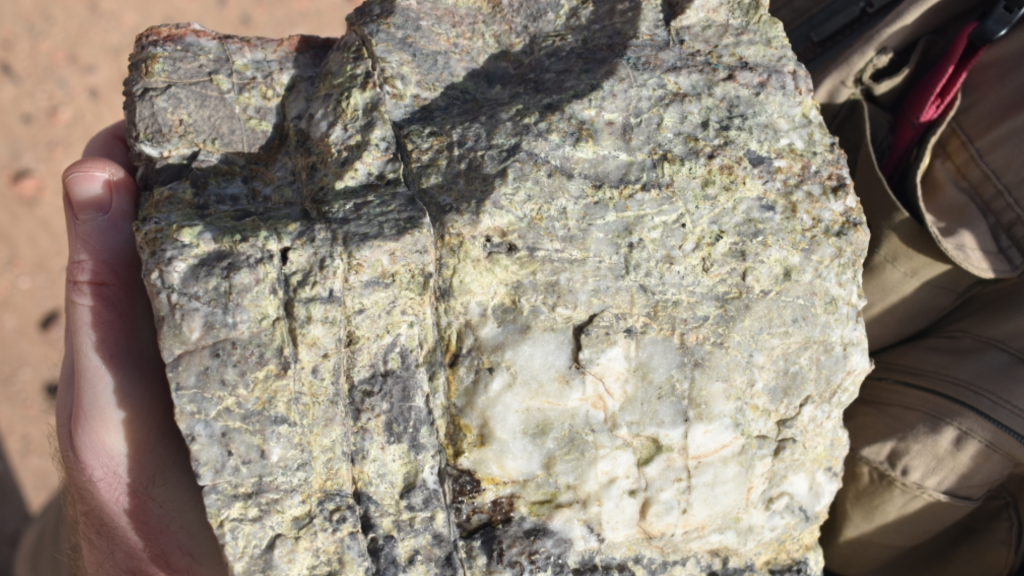
Sierra Nevada Gold (ASX:SNX) is also ramping up drilling with a 25,000m program taking place at the As Safra Copper-Gold Project in Saudi Arabia.
The program is targeting resource definition drilling, expansion drilling to test extensions of known mineralisation, and testing new targets across the broader 12km prospective corridor.
As Safra represents a district-scale copper-gold opportunity within the Arabian Shield, characterised by extensive historical workings and compelling modern exploration results.
The project covers a 5.5km-long mineralised corridor, defined by extensive historical mining activity and strong geochemical and geophysical signatures.
With the Federal Reserve’s October meeting approaching, further changes in interest rate expectations and global risk sentiment are likely to remain important drivers of gold prices — and a key consideration for gold explorers and developers navigating the next phase of the market.
Write to Aaliyah Rogan at Mining.com.au
Main image: iStock


