



Copper may be the darling of the investment world, but the price of iron ore is still important to Australia and the ASX.
Iron ore is Australia’s biggest export. It’s also the biggest earnings driver for Rio Tinto (ASX:RIO).
ANZ Senior Commodity Strategist Daniel Hynes expects iron ore to trade at US$90–95 ($126–133) a tonne for the rest of the year, according to the Australian Financial Review.
That’s around the same level that Rio Tinto’s head of iron ore, Matthew Holcz, said would find support when he presented at the Melbourne Mining Club back in August, which this news service attended.
There were fears earlier in the year that iron ore could fall even further, as weak steel demand in China combined with rising iron ore inventories.
Those currently stand at around 151 million tonnes, according to Breakwave Advisors, and are up 14% year-to-date. Chinese iron ore imports are up 5%, while steel production is down year-to-date. China produces around 1 billion tonnes of steel a year.
A headwind for iron ore trade at the moment is the high cost of shipping
Bloomberg reported this week that some smaller Brazilian iron ore producers are suspending operations as their margins get crushed.
Freights from Brazil to China have doubled to US$40 a tonne. This is knocking out some marginal tonnes from the market. Brazilian exports to China are essentially flat so far this year.
Australian producers are not immune to these rising costs, either, but are at least closer to China to cut down the journey time from port to port. Diesel and wage costs are also rising.
Mining.com.au reached out to energy analyst PK Verleger about the diesel issue plaguing world markets currently. At the moment his analysis suggests that it’s unlikely to be resolved in the short term, and prices could still increase from here.
Rio’s margins have been under pressure since the boom years earlier in the decade, when iron ore briefly went above US$200 a tonne.
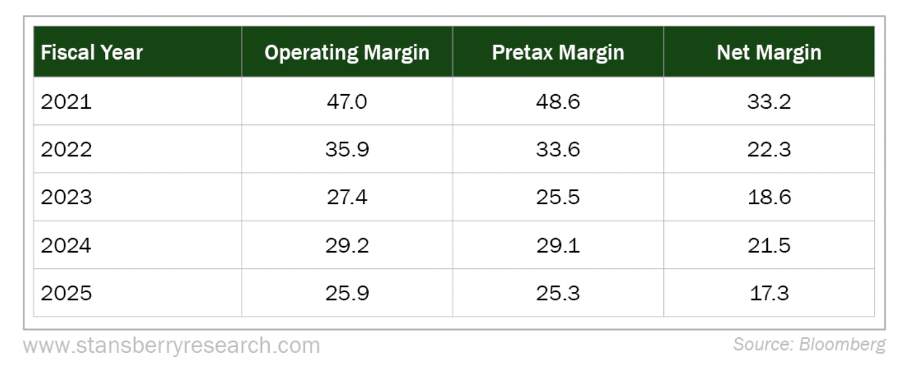
Rio trades on a relatively modest price-to-earnings (P/E) ratio of around 13, and carries diversification thanks to its copper, aluminium, and lithium assets.
Its iron ore business is now largely regarded as cash flow to fund development for more ‘future-facing’ sectors like copper and lithium.
Some market participants even agree there could be a case for separating the iron ore and copper businesses, on the assumption that the copper assets would attract a higher market multiple.
Iron ore accounted for 43% of underlying earnings before interest, tax, depreciation, and amortisation (EBITDA), while copper accounted for 36% at its most recent half-year result. The elevated copper price over the past 12 months helped Rio lift its free cash flow.
Rio is left to consider whether it will allocate billions of dollars in capital to develop its Rhodes Ridge Iron Ore Project in Western Australia.
It may need a stronger price signal from the iron ore market to give it the go ahead, if the current inflationary headwinds persist.
There is potential for that to happen, but it would most likely rely on Chinese authorities launching an aggressive stimulus package to lift the current level of demand.
Right now, iron ore and Rio look a little rangebound.
Write to Callum Newman at Mining.com.au
Main image: Unsplash


