


With women accounting for around 22% of the Australian mining industry, mentorship and getting more girls excited about science, technology, engineering and mathematics (STEM) are part of the solution to closing the gender gap.
Speaking to Mining.com.au, Ausenco design team leader June Lacey says getting women to even start in the industry has been the “greatest challenge”.
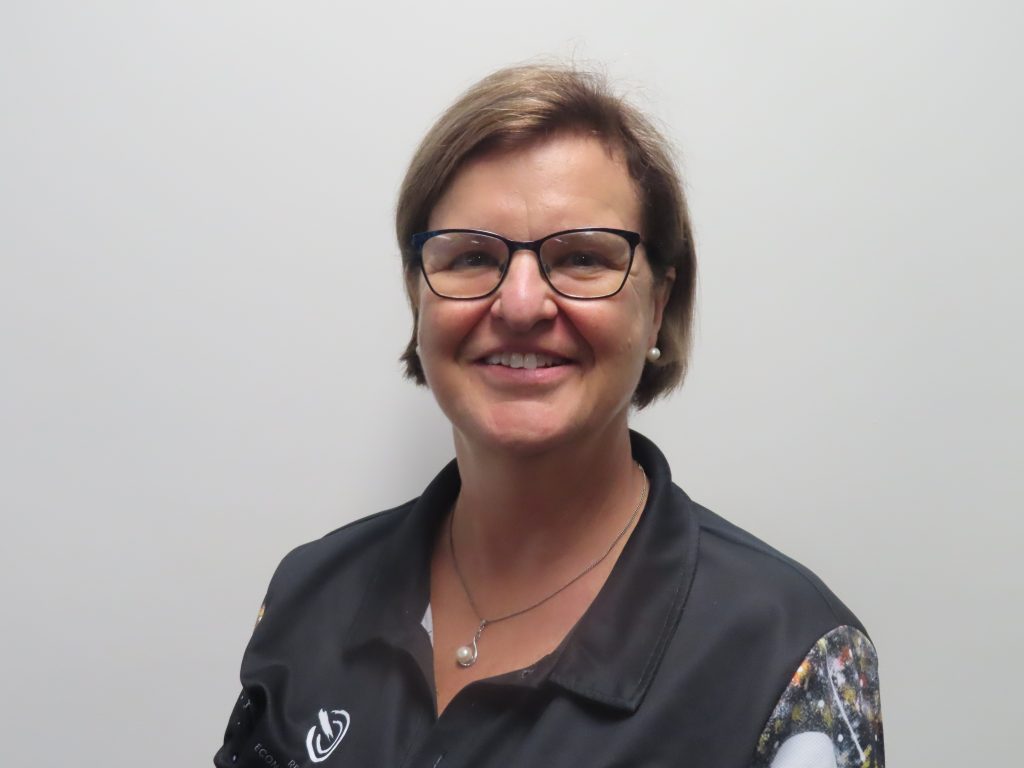
Lacey began her career as an apprenticeship draughtsman in June 1984 at the engineering consultancy CMPS — later known as CMPS&F. For most of her career, she worked for large engineering consultancies, predominantly serving the heavy industry sector.
In Lacey’s current role, she manages a multidisciplinary design drafting team across mechanical, structural, piping and process disciplines. She works closely with the company’s engineering, process and project teams, as well as colleagues across other offices, to support work-sharing on major projects.
“It really is and has been a great career for women, if only it could get traction as an option,” Lacey tells this news service.
As previously reported in recognition of International Women’s Day in March, for much of the 20th century, women’s involvement in mining was restricted by safety concerns and prevailing societal norms.
By the late 1970s, female participation was considered an ‘exceptional occurrence’ — a rare anomaly rather than the beginning of a larger shift, according to the Australian Women’s Register.
Then to now
Lacey says that working as a draughtsman in an engineering consultancy was “very different” in 1984 compared to 2026, highlighting technology as the biggest hurdle.
“Engineering calculation and design was done by hand and given to a draughtsman to draw,” she explains.
“Nothing resembling a modern-day drawing office, each workstation now equipped with dual screens and the latest CAD (computer-aided design) and parametric technology.”
In 1984, the number of women in drafting was low and, according to Lacey, “nothing has changed”.
However, Lacy says attitudes have shifted for the better over the course of her career and credits the support of strong managers and mentors with helping shape her pathway.
“More women were employed as ‘tracers’ back in the day, taking the pencil on film drawing produced by a draughtsman and completing it in ink,” she notes.
“Their ink skills and attention to detail were second to none and they were extremely efficient in their trade.”
What needs to change
Lacey says that society’s attitude needs to keep evolving, with women encouraged to explore all career options from a young age.
“If a woman can keep up with the demand of a role, then there is no reason for her not to do it. The decision then needs to be respected and supported,” she adds.
During Lacey’s time in the resources and engineering sector, she says she has not seen many women enter the sector as cadets and apprentices.
“But the young people who stay and thrive in drafting have a clear understanding of what engineering drawing entails from the outset and possess a great passion for detail,” she says.
“The turning point for many is the mentoring, guidance, and encouragement they receive.”
Write to Aaliyah Rogan at Mining.com.au
Images: Ausenco & iStock