
MDF Global MDF Global
NevGold pushes beyond Limo Butte resourceHeritage drills six-metre gold zone at MelbaSalazar discovers ‘high-grade’ tungsten at Pijili ProjectAguia aligned with newly approved government-backed fertiliser incentiveUS Department of Energy injects $13.9 million into critical mineralsQueensland legislation backs critical minerals explorationDevEx follows Nabarlek-style clues at KPAlurion drills towards Amargosa Prefeasibility StudyMoonlight hits broad copper zones at Peak DownsLegal battle heats up for major iron ore miner FortescueLithium Universe recovers gallium and platinum from e-wasteRokeby reports maiden tailings resource at OmeoCritical Resources links up with CSIRO for battery technologyBarkly advances 10,000m drilling at flagship projectAntilles Gold signs binding deal for Cuban sanction reliefRenegade expands loan facility to $2 millionUS Army’s Janus Program puts spotlight on uranium supplyMithril extends Copalquin silver-gold corridor to 550mFelix Gold produces antimony metal from pilot plantStrategic Energy tests two Canobie targets NevGold pushes beyond Limo Butte resourceHeritage drills six-metre gold zone at MelbaSalazar discovers ‘high-grade’ tungsten at Pijili ProjectAguia aligned with newly approved government-backed fertiliser incentiveUS Department of Energy injects $13.9 million into critical mineralsQueensland legislation backs critical minerals explorationDevEx follows Nabarlek-style clues at KPAlurion drills towards Amargosa Prefeasibility StudyMoonlight hits broad copper zones at Peak DownsLegal battle heats up for major iron ore miner FortescueLithium Universe recovers gallium and platinum from e-wasteRokeby reports maiden tailings resource at OmeoCritical Resources links up with CSIRO for battery technologyBarkly advances 10,000m drilling at flagship projectAntilles Gold signs binding deal for Cuban sanction reliefRenegade expands loan facility to $2 millionUS Army’s Janus Program puts spotlight on uranium supplyMithril extends Copalquin silver-gold corridor to 550mFelix Gold produces antimony metal from pilot plantStrategic Energy tests two Canobie targets

Monash University: Sustainable method to recovery critical minerals

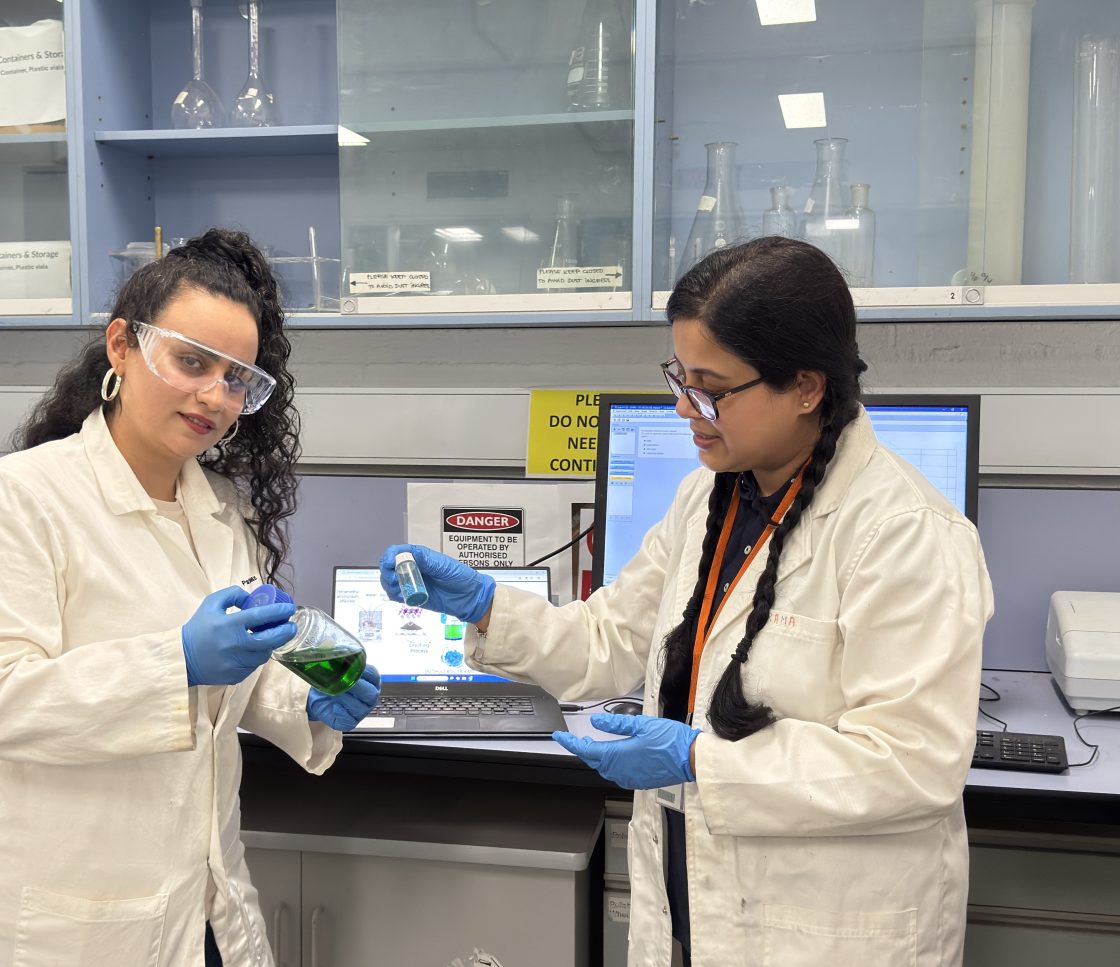
Monash University researchers have developed a method to recover high-purity nickel, cobalt, manganese and lithium from spent lithium-ion batteries using a mild, sustainable solvent. 

The process offers a safer and more environmentally friendly alternative to traditional high-temperature or chemical-intensive recycling methods. Current recovery methods are often limited and rely on high temperatures or hazardous chemicals to extract only some elements. 

Globally, around 500,000 tonnes of spent lithium-ion batteries have already accumulated and about 10% of spent batteries are fully recycled in Australia, as reported by the Monash University. 

The reminder often ends up in landfill, where toxic substances can leach into soil and groundwater, gradually entering the food chain and posing long-term health risks.

Spent lithium-ion batteries are considered valuable secondary resources, containing strategic metals such as lithium, cobalt, nickel, manganese, copper, aluminium, and graphite. 

Monash University says its new method addresses the challenges by using a novel deep eutectic solvent combined with an integrated chemical and electrochemical leaching process. 

Principal supervisor and project lead Dr Parama Chakraborty Banerjee says the process provides a safer, greener alternative for recycling lithium-ion batteries, while also opening pathways to recover valuable metals from other electronic wastes and mine tailings. 

As Mining.com.au reported, electronic waste volumes are surging five times faster than documented e-waste recycling, according to the United Nation’s Global E-waste Monitor.

In 2022, a record 62 million tonnes of e-waste was generated globally — representing a staggering 82% increase from 2010. 

To visualise this, imagine over 1.5 million 40-tonne trucks in a bumper-to-bumper line encircling the equator, or over 30 Titanic cruise ships, each overflowing with discarded electronics.

Write to Aaliyah Rogan at Mining.com.au   

Images: Monash University

Add to Watch List:
Author Image
Written By Aaliyah Rogan
Now based in London as Mining.com.au’s Europe Correspondent, Aaliyah brings years of dedicated reporting mining news. Relocating from New Zealand to Australia before making the leap to the UK, she's built a reputation for sharp storytelling and a genuine passion for the resources industry. When she’s not chasing the latest developments across Europe, Aaliyah can be found exploring new cities, enjoying good food with friends, or unwinding by the water.