



Mining giant BHP (ASX:BHP) and CORE Innovation Hub have partnered with the Western Australian Government, through the Made in the Pilbara initiative, to support businesses to grow and diversify the region.
Up to $500,000 will be delivered across 11 businesses to fund and develop projects that will drive innovation, expand local capability, and create new employment and training opportunities across the region.
The projects will create more than 40 jobs and 14 apprenticeships and unlock more than $800,000 in private sector investment, demonstrating strong industry support for Pilbara-led innovation.
Made in the Pilbara was developed by CORE Innovation Hub with support from the Western Australian Government through the Local Manufacturing Investment Fund, with co-investment from BHP. Nearly $14 million has been allocated to Western Australian-based businesses under the fund.
Manufacturing and Pilbara Minister Amber-Jade Sanderson says by supporting local businesses to grow and diversify, the state is helping create more skilled jobs and strengthen regional supply chains.
BHP WA Iron Ore Asset President Tim Day says initiatives like this build long-term capability.
“Made in the Pilbara gives local businesses the chance to innovate, grow and compete – while creating skilled employment and training opportunities in the communities where we operate,” Day says.
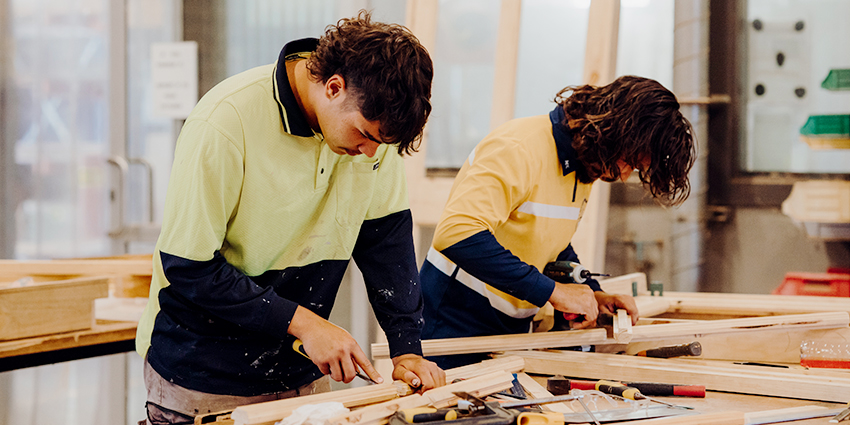
As previously reported, young Australians have been steering away from joining the mining sector for a variety of reasons.
MPI Recruitment says Gen Z is increasingly turning away from the mining sector.
“The generation born between 1997 and 2012 is actively turning its back on mining.”
A 2023 McKinsey report further illustrates this trend, showing a staggering 63% decline in Australian mining graduates from 2014 to 2020; similarly, the US saw a 39% decline from 2016 to 2020.
MPI Recruitment’s recent survey revealed the main motivators behind why workers are leaving the mining industry or changing jobs.
With job vacancies everywhere and projects slipping, the industry tends to go with the convenient scapegoat of a talent shortage. However, MPI Recruitment says that the 217 mining industry employees surveyed tell a different story, as reported.
According to MPI Recruitment, 86% of Australia’s mining workers are movable, with only 14% ‘empathetically’ planning to stay put in 2026.
Out of the 217 employees surveyed, 66% prioritise leadership and culture, while only 6% care mostly about pay.
Recently, the Western Australian Government has been working to attract more talent and bridge the gap between skills shortages within the mining and resources sector.
One of the latest initiatives include the WACE scholarship which is a new initiative designed to support high-achieving international students to live and study in the state. This forms part of the Western Australian Government’s work to support the international education sector, diversify the state’s economy, and build a strong pipeline of skilled workers.
Write to Aaliyah Rogan at Mining.com.au
Images: BHP & Western Australian Government


