Higher copper, gold, and oil prices are helping cushion some African resource economies from global economic shocks, according to the International Monetary Fund (IMF).
The IMF expects sub-Saharan Africa to grow 4.5% in both 2026 and 2027, supported in part by favourable export receipts and earlier economic reforms.
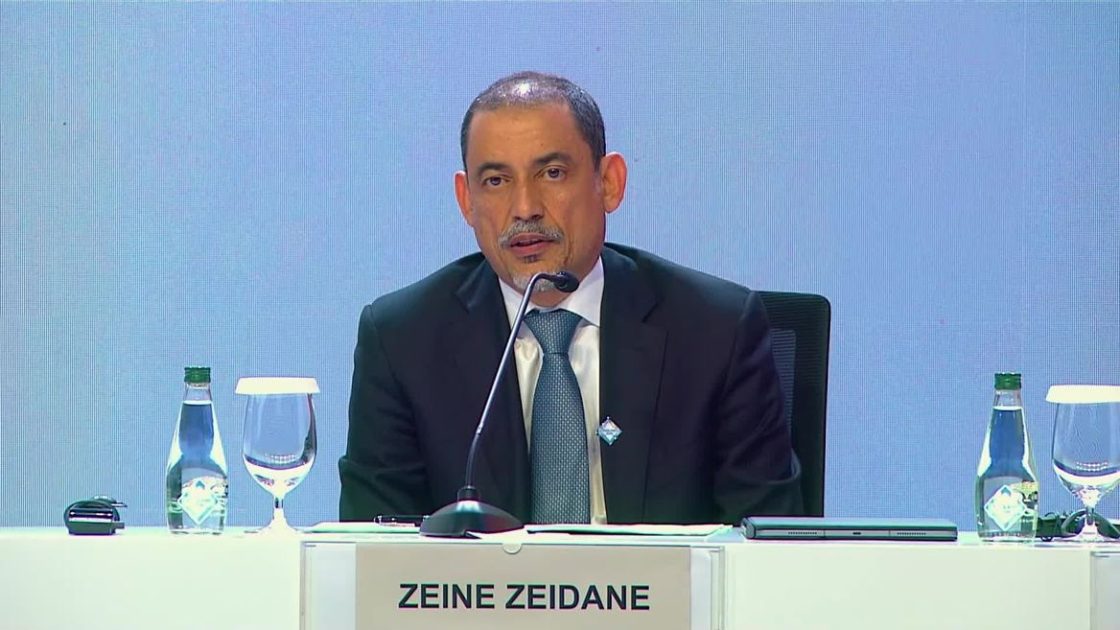
Speaking at the IMF and World Bank annual meetings in Bangkok on 16 October, IMF Africa Department Director Zeine Zeidane said higher oil, copper, and gold prices were supporting some exporters, while growth was slowing in non-resource-intensive economies.
The outlook comes as several African governments seek to capture more value from their mineral resources through domestic processing and infrastructure investment.
Guinea is progressing the Simandou iron ore development and associated railway infrastructure, while Burkina Faso has moved to increase domestic gold refining capacity, according to the Associated Press.
The IMF said resource-intensive economies have so far shown greater resilience than non-resource-intensive countries, but warned that falling aid, high borrowing costs, and limited fiscal buffers leave the region exposed to further shocks.
It also urged governments to save temporary commodity windfalls while continuing investment that supports longer-term private-sector growth.
Sub-Saharan Africa remains a major source of copper, gold, cobalt, iron ore, manganese, and other critical minerals.
Write to France Pinzon at Mining.com.au
Main image: International Monetary Fund