



Sara Couperthwaite, co-director of the Queensland University of Technology’s Energy Transition Centre, says the challenges experienced and partnerships formed to address those challenges has shaped her into a woman focused on building “sustainable research ecosystems, not just successful projects”.
Speaking to Mining.com.au, ahead of Women in Sustainable Energy and Resources’ (WISER’s) Brisbane Champagne High Tea held last week, Couperthwaite says a defining challenge of working in the resources sector has been building and maintaining research momentum in an environment where funding uncertainty can directly impact careers.

“When we win a grant, many see the project or the dollar value,” she explains.
“What I feel most strongly is relief – relief that my team can continue their work, continue developing their expertise, and continue contributing to impactful outcomes.
“Without sustained funding, you don’t just lose projects; you lose highly trained, passionate people from the sector.”
The global mining industry is facing a critical skills shortage, with fewer young Australians having opted for careers in geology and related fields, as universities have increasingly reduced their earth science faculties.
In fact, this news service found that less than half of Australia’s 42 universities offered undergraduate or postgraduate degrees in geoscience — a trend that has only worsened over time.
As previously reported, a 2022 BDO report reveals that only 15% of respondents said they would be interested in mining, while 54% believed that the mining sector is an essential part of the global climate solution.
Even more telling, a 2024 McKinsey report highlighted 70% of young participants said they would definitely not or probably not work in mining.
Innovation and investment
As a result of those challenges, Couperthwaite says that reality has fundamentally shaped how she leads.
“It has made me highly intentional about building research programs that are not only scientifically rigorous but also strategically aligned with industry needs and commercial pathways,” she says.
“It has reinforced my belief that if we want durable change in mining and resources, we must couple innovation with workforce development and long-term investment models.”
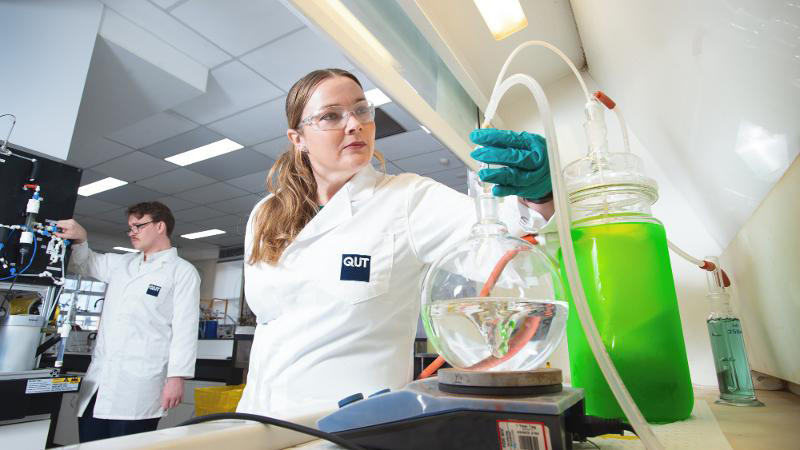
Couperthwaite uses the example of the Lava Blue – Australian battery minerals producer – collaboration, which delivers commercial outcomes while also investing in capability and culture.
Lava Blue and QUT entered into a $20 million facility which deliberately builds programs with commercial awareness from the outset. The research is developing sovereign supply lines for critical minerals used in energy transition technologies, while simultaneously reducing mine wastes.
In 2023, the strategic partnership won the Industry Engagement Award in the Australian Financial Review Higher Education awards. The award recognises strategic collaboration between higher education institutions and the private sector that have depth and breadth.
For Couperthwaite, the partnership has reinforced her view that the sector will benefit more from companies positioning themselves as technology-led organisations, where emphasis is placed on scientific excellence, engineering innovation and talent development, not just near-term commercial return.
Celebrating women
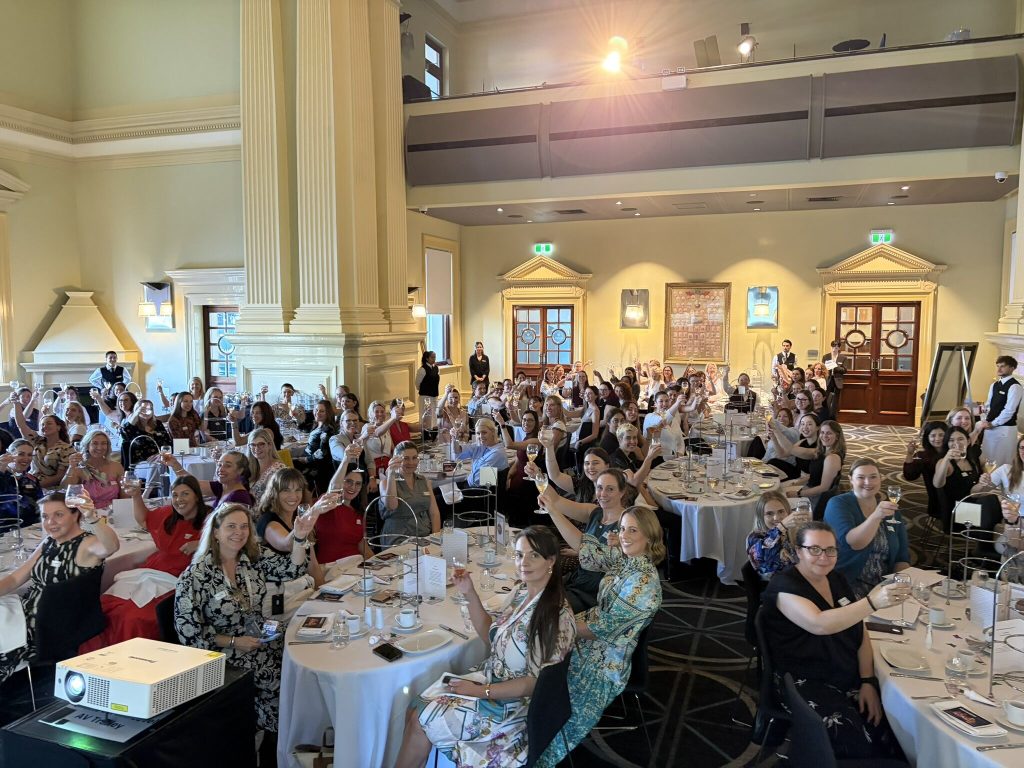
On 8 March 2026, the world celebrated International Women’s Day, which had the theme ‘Give to Gain’ signifying a simple, yet powerful truth: process is an exchange. The more invested in people, in opportunities and in inclusion, the greater the returns for industry and society alike.
Couperthwaite says International Women’s Day represents celebration and a progress check.
“It is an opportunity to recognise the women who are delivering real impact across the mining and resources sector,” she says.
“It is also a moment to ask whether we are genuinely shifting the dial. Awareness has improved, but the true test is whether we are creating environments where women are not only entering the sector, but choosing to stay, advance and influence the decisions that shape our industry’s future.”
Couperthwaite says that celebrating an inclusive, technically strong and collaborative research culture has been a core priority for her.
“I am particularly proud of the pipeline of talented women who have grown in confidence and capability through our programs,” she adds.
Couperthwaite originally went to university to become a high school teacher, studying mathematics and chemistry with the intention of working in education. During her degree, she had the opportunity to conduct research in one of her professor’s laboratories which introduced her into the intellectual challenge applied research can deliver.
Following two years of research, Couperthwaite secured a graduate role at Alcan’s research and development centre, now owned by mining giant Rio Tinto (ASX:RIO).
Write to Aaliyah Rogan at Mining.com.au
Images: QUT Engineering & WISER


