



According to the World Nuclear Association, uranium has emerged as one of the world’s most important energy-linked minerals over the past 60 years.
At present, uranium mining is primarily concentrated in Canada, Namibia, Kazakhstan, and Australia, though other pockets of exploration are emerging elsewhere.
Following the Fukushima incident in 2011, multiple countries phased out of nuclear energy, dealing severe blows to the uranium market. As reported by the World Mining Congress in 2024, this event led to a significant price drop and mine closures.
However, beginning in 2020, the gradual rise in uranium price marked a step-change in global sentiment. Governments recognised nuclear power as a low-carbon energy source to help meet global emissions targets and ensure energy security.
COP28 in December 2023 saw the launch of a declaration to triple nuclear energy capacity by 2050, recognising its key role in helping the world reach net zero. This declaration was supported by over 20 countries, including the US, Canada, France, Japan, the UK, and many others across Europe, Asia, and the Middle East.
This decree was reaffirmed at COP30, with 33 countries now signed on.
According to the International Atomic Energy Agency (IAEA), tripling nuclear energy capacity is an ambitious goal, as the agency projects a potential doubling of capacity by 2050, to between 561 gigawatt electric (GWe) and 992GWe. Even this amount would cement nuclear as a strategic source of clean energy for the global transition.
As of 19 November 2025, there is 376.3GWe of nuclear capacity from 416 reactors in operation globally. The US is currently the largest producer, with 94 reactors generating 781.9 terrawatt hours of electricity.
China also has 57 reactors, with 29 additional ones in construction. Across the European Union, France leads with 57 reactors, which generated about 67.3% of the country’s electricity in 2024 — the highest share of nuclear power in any national grid.
At the end of 2025, there were 63 reactors under construction globally, with the potential to add 66.2GWe of capacity. Between 2024 and 2025, several new nuclear reactors were connected to the grid in the United Arab Emirates, France, the US, India, and China.
This drive for additional nuclear power generation means the uranium supply needs to increase to meet the demand from the global reactor fleet.
Global nuclear demand drives uranium demand beyond current supply capacity
The growing support across the nuclear sector has led to a natural rise in demand, as closed reactors are brought back online, life extensions are approved for existing fleets, and new reactors enter the construction phase.
The addition of the small modular reactor (SMR) industry further increases this demand, with companies in more energy-intensive sectors turning to nuclear for energy supply.
Supply is unable to keep up, and uncertainty in the uranium supply chain has led to long-term contracting activity, as noted by Cameco (NYSE:CCJ), one of the world’s largest uranium companies operating in Saskatchewan, Canada.
In 2025, around 116 million pounds of uranium were placed under long-term contracts by utility companies. This level of demand could leave a significant gap in future supply, as primary production is expected to be limited and secondary stockpiles drawn down.
Uranium spot prices experienced market volatility in 2025, averaging US$73.54 per pound, while the long-term price strengthened across the year, peaking in December at US$86.50 ($119.93) per pound.
This pricing signified an average yearly price increase of 27%, compared with a 4% rise in the average spot price.
Cameco notes that while uranium demand is cyclical, it is not traded on a commodity exchange in meaningful quantities — unlike other commodities. Instead, the market is primarily based on long-term contracts.
History has shown that when uranium prices are high, uranium is perceived as scarce, which drives more contracting activity with major suppliers.
Lower prices tend to curtail activity and investment in developing supply. It is this lack of investment in supply, exploration, development, and production that the market now needs to grapple with.
Limited production pipeline underscores urgency for new discoveries
Mining Terminal has tracked 558 uranium projects globally, with 87% of those in the exploration stage. It also notes that dormant uranium mines typically require $60–$80 per pound at sustained prices to justify restart economics.
The pipeline of projects means that even a small increase in demand can tighten the overall supply outlook much faster than in deeper commodity pools like copper or gold.
With only 11 of the tracked mines in production at the moment, new uranium supply is constrained by mine development timelines over the medium term.
Against this backdrop, the next phase of the story lies in the exploration pipeline, where several new projects are jockeying to secure resources and position themselves for the nuclear renaissance.
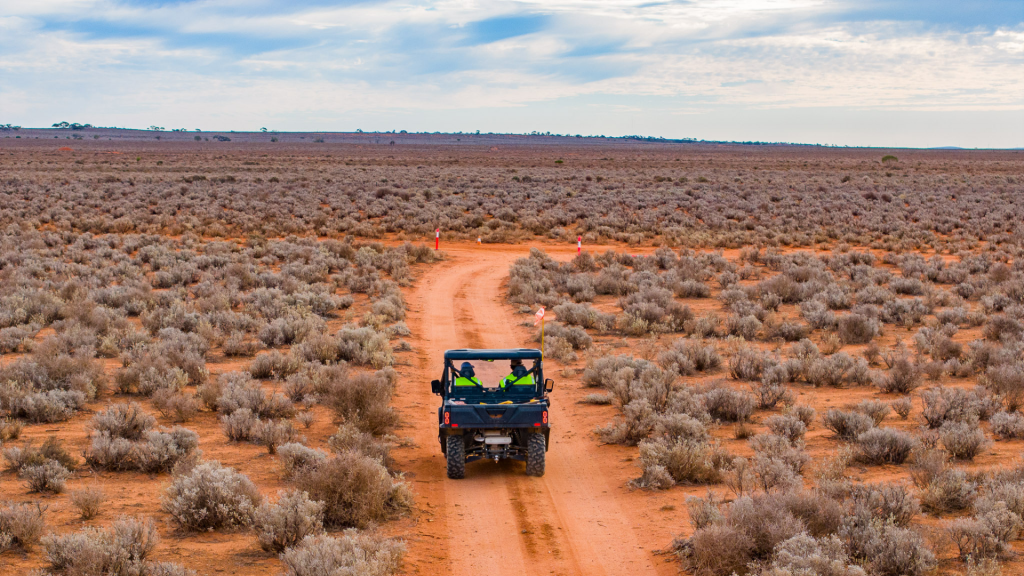
Alligator Energy builds district-scale uranium portfolio in Australia
Alligator Energy (ASX:AGE) is positioning as Australia’s next uranium producer, advancing the Samphire Uranium Project in South Australia into trial production.
Alligator holds Samphire, which is being advanced along an in-situ recovery (ISR) development pathway, as well as the Big Lake Project, an earlier-stage, district-scale exploration opportunity. The company’s large exploration licence at Big Lake gives it a strategic first-mover advantage.
As previously reported, the company has recently completed its first well pattern as part of the field recovery trial. Progressing through the planned recovery cycle, the trial delivered results consistent with its Scoping Study and internal models.
Alongside these test recovery trials, Alligator has commenced a Bankable Feasibility Study (BFS) for Samphire. The study is expected to be completed in the first half of 2027 and will form the foundation for future development decisions, including financing and execution planning.
Alligator is focused on advancing the project towards production readiness, gathering baseline climate and environmental data and updating the Mineral Resource Estimate (MRE) to include the Plumbush satellite prospect, which is touted to strengthen its overall resource base.
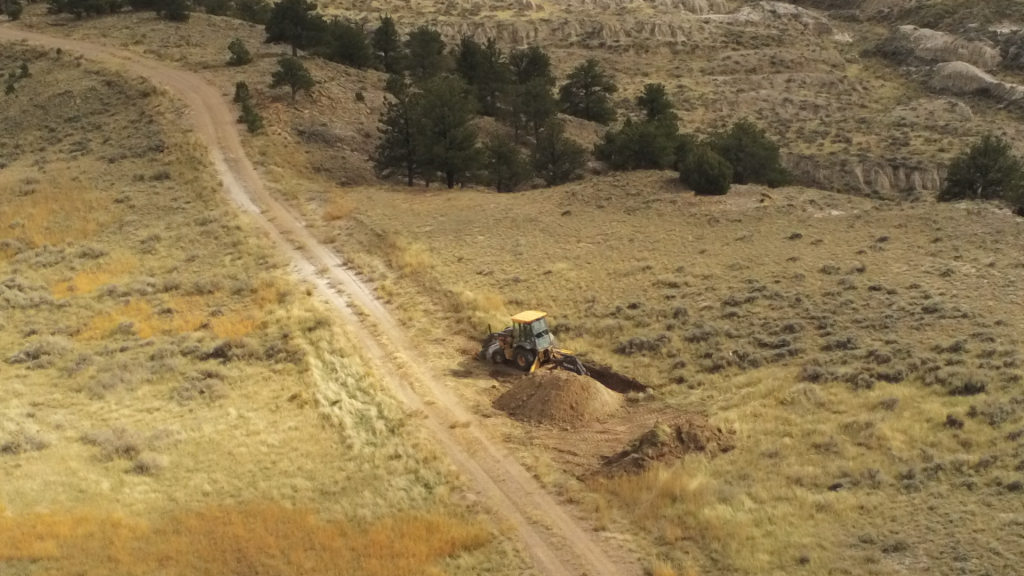
American Uranium builds US fuel supply chain strength at Lo Herma
American Uranium (ASX:AMU) is one company pushing from exploration into development, with the Lo Herma ISR uranium project in Wyoming.
Executive Director Bruce Lane notes that when the company acquired the project, it came with a significant amount of historical data — around 1,771 drill holes and 530,000 feet of drilling — providing a “strong foundation for modern exploration”.
The company has since conducted multiple drilling campaigns. From the most recent program, 66 of 121 permitted holes were completed, delivering an updated MRE that has grown to 9.45 million pounds of equivalent uranium oxide. Of this, 43% is now in the indicated category.
“Importantly, the company is not just growing pounds — it is de-risking development,” Lane says.
“Hydrogeological testing and metallurgical work have confirmed conditions consistent with ISR extraction in Wyoming.”
American Uranium has been continually expanding the footprint of Lo Herma. In April 2026, the company secured approximately 1,040 acres of new private mineral rights and an additional 29 claims, extending the project across key mineralised trends in the region.
“With 11.11 million pounds now defined across its Wyoming portfolio, American Uranium is building both scale and confidence ahead of a planned Q3 2026 Scoping Study,” Lane says.
The company has drilling underway, focused on growing and upgrading the resource while advancing development readiness for the project.
American Uranium is focused on advancing Lo Herma toward development amid a tightening uranium market.
“At a macro level, the US uranium sector is benefiting from strong structural tailwinds, with increasing government focus on rebuilding the domestic nuclear fuel supply chain,” Lane notes.
“Initiatives such as the Defense Production Act (DPA) funding programs, the ongoing Strategic Uranium Reserve framework, and broader permitting and infrastructure measures, including FAST-41 and Project Vault, are aimed at accelerating development and securing domestic nuclear fuel supply.”
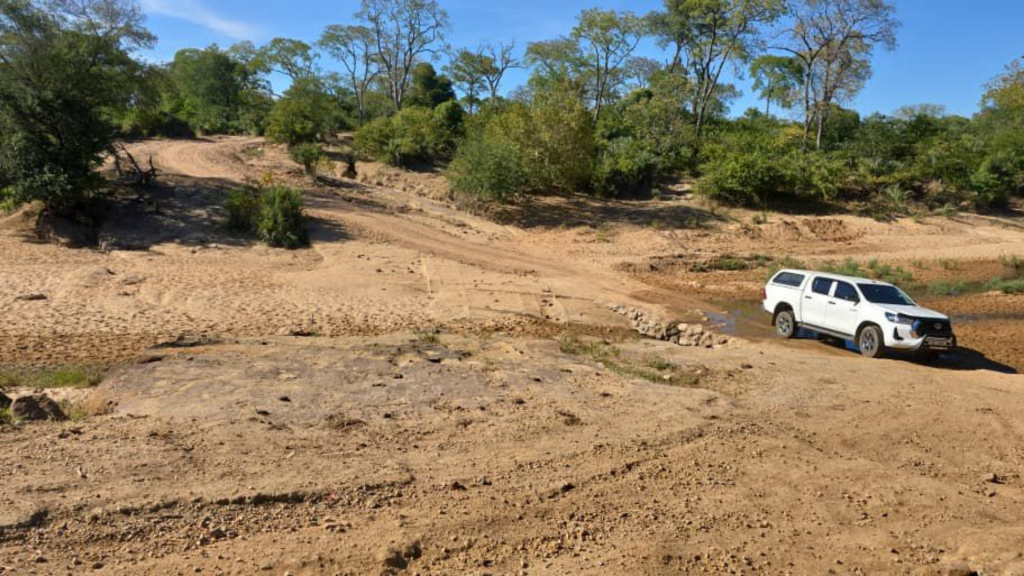
Atomic Eagle positions for nuclear fuel supply amid global shortfall
Atomic Eagle (ASX:AEU) is a uranium exploration and development company focused on the Muntanga Project in Zambia, with a stated goal of becoming a supplier of nuclear fuel as the world shifts to cleaner energy sources.
Zambia has a strong mining industry, backed by a pro-mining government that is currently focused on diversification to expand its mining ambitions. The government has announced plans to triple its copper output by 2031 while promoting diversification into uranium and other critical minerals essential to the clean energy transition.
Atomic Eagle commenced a 30,000m drill program at Muntanga in late April, with a plan to build on their recently upgraded resource.
The company’s CEO, Phil Hoskins, notes that this 30,000m program is just phase one of its drilling effort, focusing on extending the resource at the Chisebuka prospect with first-pass drilling across numerous targets at Muntanga North and Namakande.
“The intention is to significantly grow the near-surface, open-pittable resource by the end of 2026,” Hoskins adds.
Atomic Eagle has plans to grow the Muntanga Project into a resource size that supports a “large-scale uranium mine”.
The company has growth plans throughout 2026 and beyond, after which it will look towards an updated Feasibility Study, having already completed much of the required development work.
“The plan is to see Muntanga able to deliver uranium into the projected supply shortfall around 2030 or 2031,” Hoskins says.
Atomic Eagle notes that the current drive for nuclear adoption across many developed nations is a key solution to deliver clean, ‘always-on’ power, but that the industry must address supply constraints to meet that demand.
“There is not enough energy (from all sources) to power the high-tech ambitions of our developing society. Demand growth will come from data centres, electrification, and, of significant relevance today, the desire for energy security and independence,” Hoskins says.
“The supply risks are numerous, which is favourable for forecast pricing. In my opinion, the biggest risk is the status of the new project pipeline, given chronic under-investment over the past 15 years since Fukushima.
“Uranium prices need to increase to incentivise appropriate returns for the financiers of the projects in that pipeline. Then the timeframe to explore, develop, permit, and construct a uranium mine and ensure the financial environment (uranium price and capital markets) remains buoyant for that entire cycle is also a key risk in bringing new projects into that pipeline.”
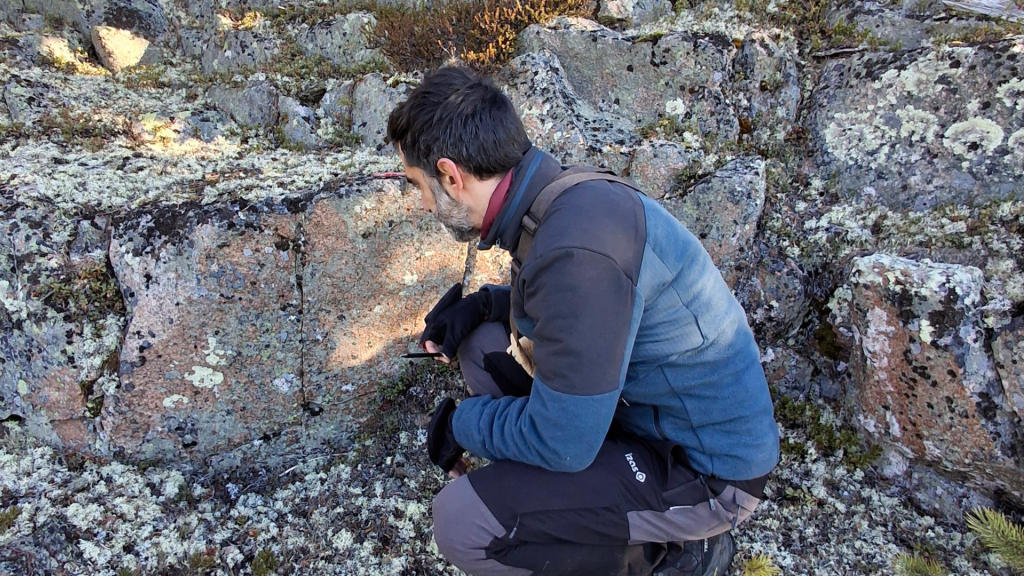
Sweden’s uranium ban lift opens new doors for Basin Energy
Basin Energy (ASX:BSN) hosts a broad portfolio of projects spanning Australia, Canada, Sweden, and Finland, across uranium and rare earth elements.
Managing Director Pete Moorhouse notes that a near-term value catalyst for the company is the rare earth drilling at the Newmans target. The company also has considerable work underway on its uranium projects.
Basin has recently completed scout drilling at Sybella Barkly in Australia, which identified an extensive palaeochannel system capable of transporting and concentrating uranium.
“The presence of multiple metres of strongly anomalous uranium within those sediments points to a potentially active system,” Moorhouse says.
Basin is preparing for an airborne electromagnetic survey later in 2026, with a goal of mapping these channels to the south.
“We think the potential for a Frome Basin-style system emerging in Queensland is real.”
For context, the Frome Basin in South Australia is considered a significant region for sandstone-hosted uranium deposits, typically exploited using in-situ recovery.
Within its Canadian assets, Moorhouse notes that the company is “actively looking at ways to unlock value,” whether that means through partnerships or potential divestments where it makes sense.
Moorhouse also notes that Sweden is an increasingly important jurisdiction for Basin, having delivered strong early-stage results that highlight the scale and prospectivity of those assets.
“In November 2025, the Swedish parliament voted to lift its uranium mining ban, with the new framework effective from 1 January 2026, reopening exploration and development,” Moorhouse says.
“That change is significant as Sweden hosts a large portion of Europe’s undeveloped uranium resources and sits within a region increasingly focused on security of supply.”
Sweden is estimated to hold between 27% and 28% of Europe’s uranium resources, so unlocking its domestic mining potential will provide a significant boost to global supply.
That said, according to the IAEA, uranium mines often take 10–15 years to reach production, which still leaves a lag in near-term supply.
Looking at these market dynamics, Moorhouse notes that from an industry perspective, “we are in the early stages of a structural multi-decade nuclear build driven by energy security, decarbonisation, and a step change in power demand from electrification, data centres, and AI”.
Moorhouse notes that the supply deficits are structural in nature. Concurrently, the industry has seen over 15 years of chronic underinvestment in exploration and development.
“The real story is that demand is accelerating into a supply system that cannot respond on a sustained basis without materially higher prices and new investment,” Moorhouse adds.
“That dynamic underpins the long-term incentive price and is why new projects in stable jurisdictions are becoming strategically critical.”
Basin Energy’s balanced approach to advancing projects across multiple continents is positioning it to play a role in the long-term nuclear build-out and rare earth supply chain, which underpin energy security and electrification trends.
Dark Star targets Newfoundland’s Central Mineral Belt potential
Dark Star Minerals (CSE:BATT) has a revamped exploration focus on its Ghost Lake Project in the Central Mineral Belt of Newfoundland and Labrador, Canada.
The company has recently completed a sampling program, collecting 19 rock samples and 52 lake sediment samples across the Ghost Lake Property, which have been submitted to labs for independent analysis.
With the results due in May 2026, the company notes this will provide valuable insights into the project’s mineral potential and will guide further exploration.
Ghost Lake consists of 28,575 contiguous claim blocks and is bound on three sides by properties held by Atha Energy (TSX-V:SASK). The property also overlaps structural trends associated with known deposits, including the Michelin Project of Paladin Energy (ASX:PDN).
Strategic nearology and supportive jurisdiction bolster Koba’s pathway
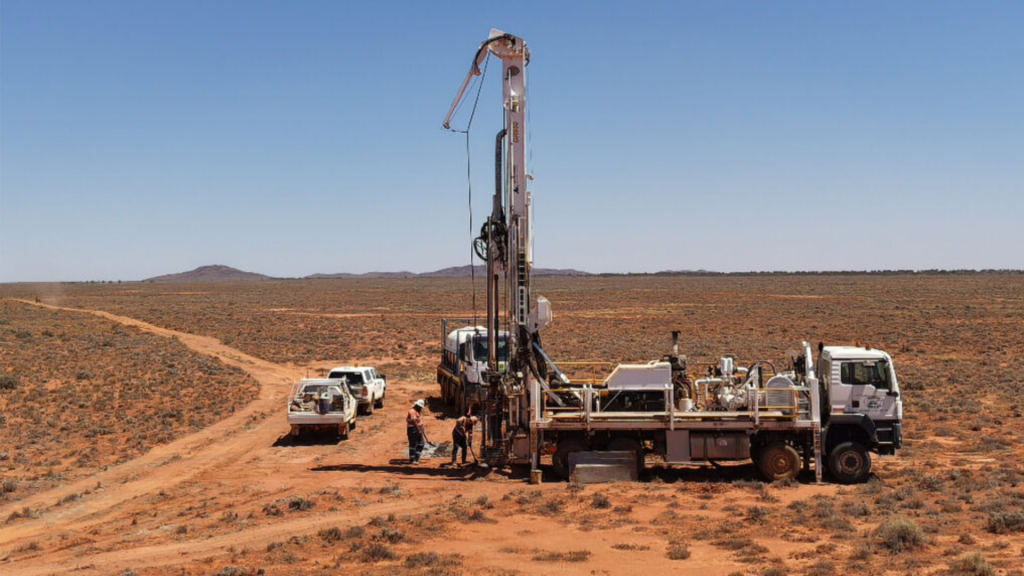
Koba Resources (ASX:KOB) is advancing the Yarramba Uranium Project in South Australia alongside its tin-tungsten projects in Queensland.
CEO Ben Vallerine notes that South Australia is one of the best jurisdictions in the country for uranium exploration.
“You’ve got three producing uranium mines in South Australia, including Boss Energy’s Honeymoon and BHP’s Olympic Dam, one of the biggest uranium mines in the world,” Vallerine says.
“The Labour government in South Australia is supportive of uranium mining. They might not like nuclear power, but they’re still very supportive of the mining.”
This echoes other sentiments about Australia, which is rich in uranium resources but is not domestically focused on nuclear energy.
Vallerine also highlights the company’s neighbour, Boss Energy (ASX:BOE), offering Koba significant confidence in Yarramba.
“It’s not only the ‘nearology’ of Boss’ Honeymoon project, but it also demonstrates a clear pathway to development,” Vallerine notes.
“If we find something that’s of any significant size, there’s an option to treat that at Boss [Energy’s operation]. And should Boss Energy express an interest in the Yarramba Uranium Project, it could shorten development timelines, particularly for permitting.”
Koba completed around 2,670m of drilling at the Everest Prospect at Yarramba in April 2026 and has follow-up programs planned across multiple prospects in H2 2026.
Orpheus’ focus on exploration to drive supply from Australia
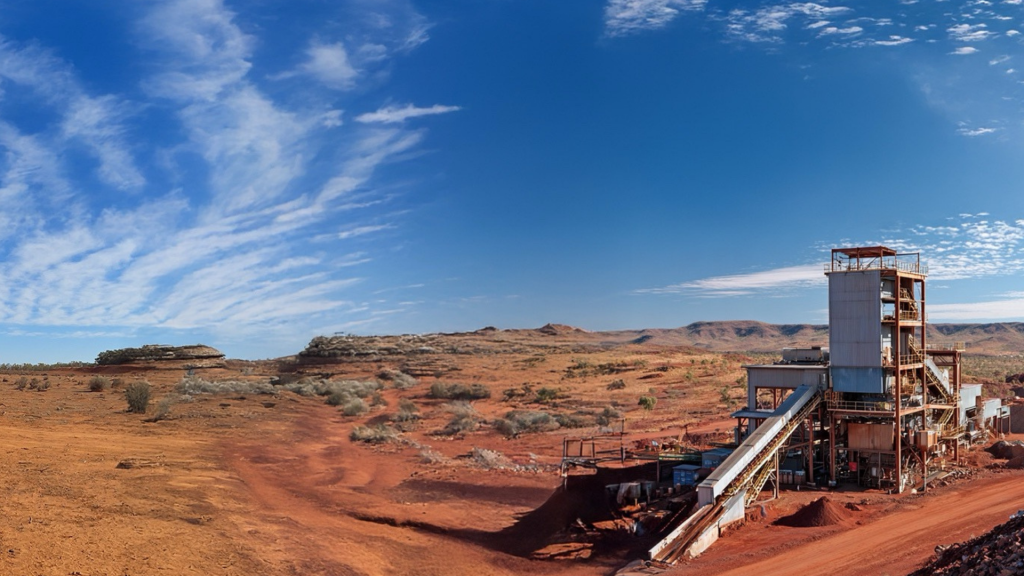
Orpheus Uranium (ASX:ORP) is focused on developing a large portfolio of exploration assets in Australia, with a view to contributing to global uranium and clean energy supply.
Managing Director Clint Dubieniecki explains that the company spent 2025 focused on developing its portfolio of uranium assets across Australia, and the goal now is to continue to advance these projects.
Orpheus’ team has a focus on building this strategic portfolio, targeting projects that align with its corporate strategy and can add value, especially in a bullish uranium market.
Dubieniecki says that Orpheus is filling a gap in the market for true uranium explorers, as “what the market really needs are companies that are there to stay and find the projects to bring forward”.
With its portfolio of exploration projects, Orpheus is well-positioned for a bullish market, taking a positive outlook on the industry’s future.
“We see upside in this commodity, and we do have this long-term vision that uranium will continue to grow. I think quite a few will see that the value and upside are near.”
Skyharbour ramps up Athabasca exploration amid tight uranium supply
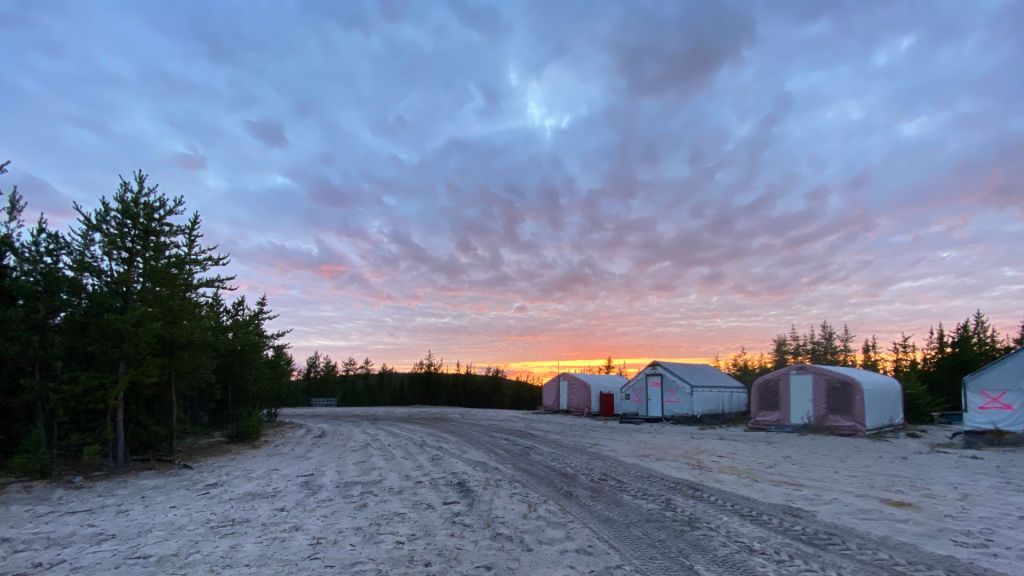
Skyharbour Resources (TSX-V:SYH) is advancing an extensive portfolio across Canada’s Athabasca Basin — one of the most prolific uranium regions globally — and holds one of the largest exploration portfolios in the area.
CEO Jordan Trimble explains that the Athabasca Basin currently accounts for around 20% of all global primary uranium production. Its deposits host average grades 10 to 20 times higher than the global mining average of under 0.2% triuranium octoxide.
Trimble notes that Skyharbour’s strategy “combines aggressive, well-funded exploration at our two co-flagship projects with a prospect generator model that uses partner-funded earn-ins to advance our broader portfolio”.
Skyharbour is concurrently advancing its two flagship projects, Moore Lake and Russell Lake, now in a joint venture with Denison Mines.
Moore Lake is a 35,705-hectare project, hosting ‘high-grade’ unconformity-related uranium mineralisation along the Maverick structural corridor. Historical drilling turned over 20% triuranium octoxide in previous drill results.
“Recent drilling has continued to validate the project’s discovery upside,” Trimble says, with the company’s 2025 drill program returning 11.77% triuranium octoxide over 1.6m within a broader interval of 4.84% over 4.4m.
Skyharbour has commenced a multi-phased 2026 drill program comprising 8,000m–10,000m now, focused on the Maverick Zones as well as on the newly defined Nomad Zone.
Russell Lake has a 15,000m, multi-phased drill program planned this year, with the majority of funding coming from its JV partner and largest shareholder, Denison Mines.
Skyharbour also employs a prospect generator strategy to unlock value at some of its secondary projects, utilising partner-funded exploration.
“We currently have 10 partner companies advancing 14 of our assets across the Basin, including industry leaders Orano Canada, Denison Mines, Terra Clean Energy, UraEx, North Shore Uranium, Mustang Energy, and more.”
Trimble echoes other CEOs, noting that the nuclear industry is seeing “broad-based, policy-backed expansion”.
“Nuclear has become a central pillar of electrification, energy security, and industrial competitiveness across the developed and emerging world.”
According to Trimble, the uranium market should maintain its strong upward momentum this year, backed by the current supply constraints and growing demand.
He points to the US Department of Energy’s January 2026 announcement pledging US$2.7 billion in funding over the next decade to strengthen US domestic uranium enrichment, calling it “a key step in rebuilding fuel-cycle capacity”.
Pioneer Minerals builds momentum across US uranium portfolio
Pioneer Minerals (ASX:PMM) hosts a portfolio of critical minerals projects across the US, Canada, and Namibia, with a key focus on adding value to US defence and energy supply chains.
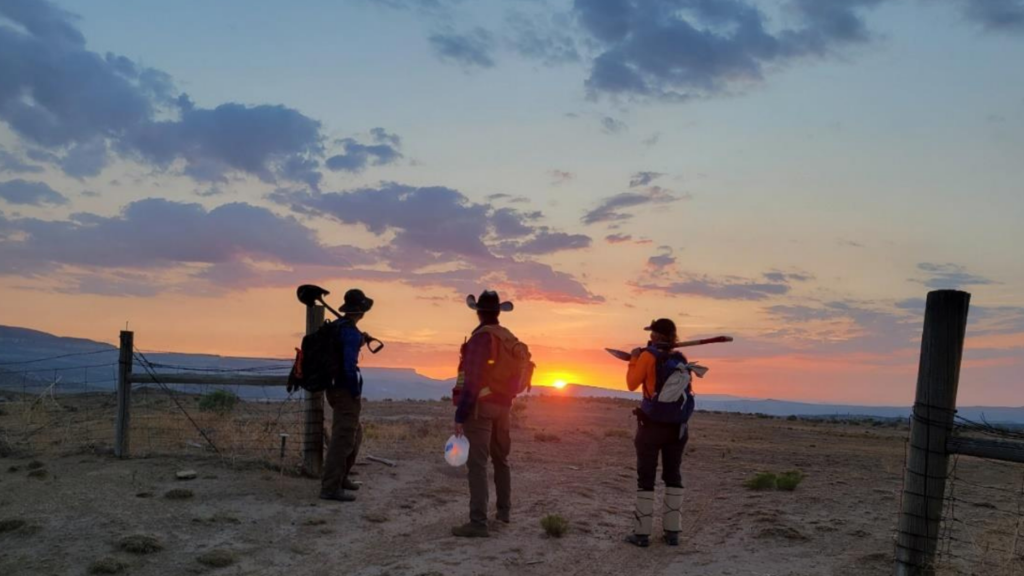
The company’s Skull Creek Uranium Project in Colorado, US, hosts uranium mineralisation over its 15.5km strike length. The company notes that initial exploration has identified four prospective uranium targets, with additional exploration potential identified through a peak radiometric anomaly at the Blue Mountain target.
Rock chips sampled in phase one exploration at Skull Creek have returned triuranium octoxide of up to 1,240 parts per million, with all additional samples returning anomalous background levels of uranium across the entire strike zone.
The company notes that it is ready for phase two drilling, which will generate additional targets for its maiden drilling campaign.
Pioneer’s Central Buttes Uranium Project in Wyoming, US, comprises 69 claims within the Pumpkin Buttes uranium district, which Pioneer notes is “one of the most productive uranium areas in the US”.
Pioneer is planning a detailed technical review, followed by reconnaissance mapping and geochemical sampling to define priority exploration targets at Central Buttes for further work.
Looking ahead: Uranium demand set to surge
Uranium’s trajectory will be defined by accelerating demand colliding with a lack of near-term supply. Utilities remain under-contracted, driving long-term agreements higher as they scramble to secure supply.
With only a handful of producing mines at the moment — and most projects still in exploration — new capacity will take years to materialise. Brownfield restarts need sustained pricing above US$60–$80 per pound, while greenfield builds face long lead times.
Policy momentum from COP commitments, the rise of MSR, and the expanding nuclear fleets in China, India, and Europe reinforce a durable demand project.
This imbalance points to continued price strength and heightened investor activity, with uranium positioned as a strategic mineral anchoring the global energy transition.
Write to Amy Rotman at Mining.com.au
Images: Mining.com.au, Alligator Energy, American Uranium, Atomic Eagle, Basin Energy, Koba Resources, Orpheus Uranium, Skyharbour Resources, Pioneer Minerals


