Western Star amends capital raise for Nevada
Western Star Resources (CSE:WSR) has amended the terms of a...
16 January 2026



Trending stories
Tungsten is one of the hardest and most heat-resistant metals used in modern industry, yet it often receives far less attention than commodities such as gold, copper, or lithium.
Despite that, tungsten plays a critical role across manufacturing, aerospace, defence, mining, electronics, and industrial engineering — making it an increasingly important strategic mineral in global supply chains.
As governments and industries focus more closely on critical minerals security and advanced manufacturing capabilities, tungsten mining companies and tungsten exploration projects are attracting growing market interest.
At Mining.com.au, our tungsten coverage delivers the latest tungsten mining news, ASX tungsten stocks, project developments, exploration activity, and market insights shaping the global tungsten sector.
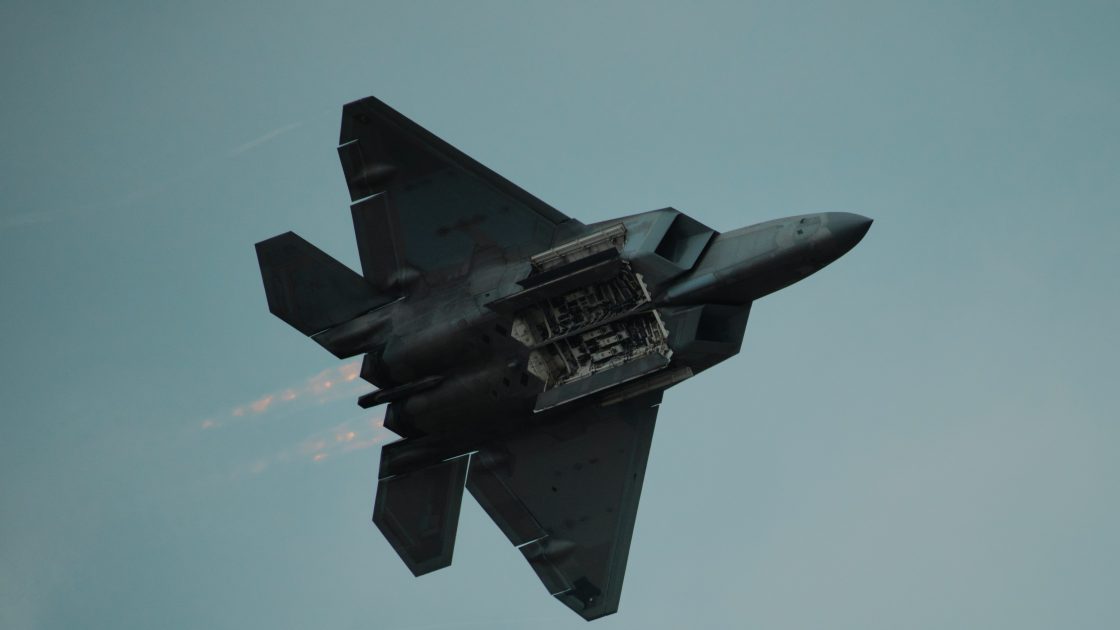
Tungsten is a dense industrial metal best known for its exceptional strength, durability, and extremely high melting point. These properties make it valuable in applications that require resistance to heat, pressure, and wear.
Today, tungsten is commonly used in:
Tungsten carbide, one of the most widely used tungsten compounds, is particularly important in manufacturing because of its hardness and resistance to abrasion.
Because tungsten is difficult to replace in many industrial applications, it is often classified as a critical mineral by several governments and industry groups focused on supply chain resilience and advanced manufacturing.
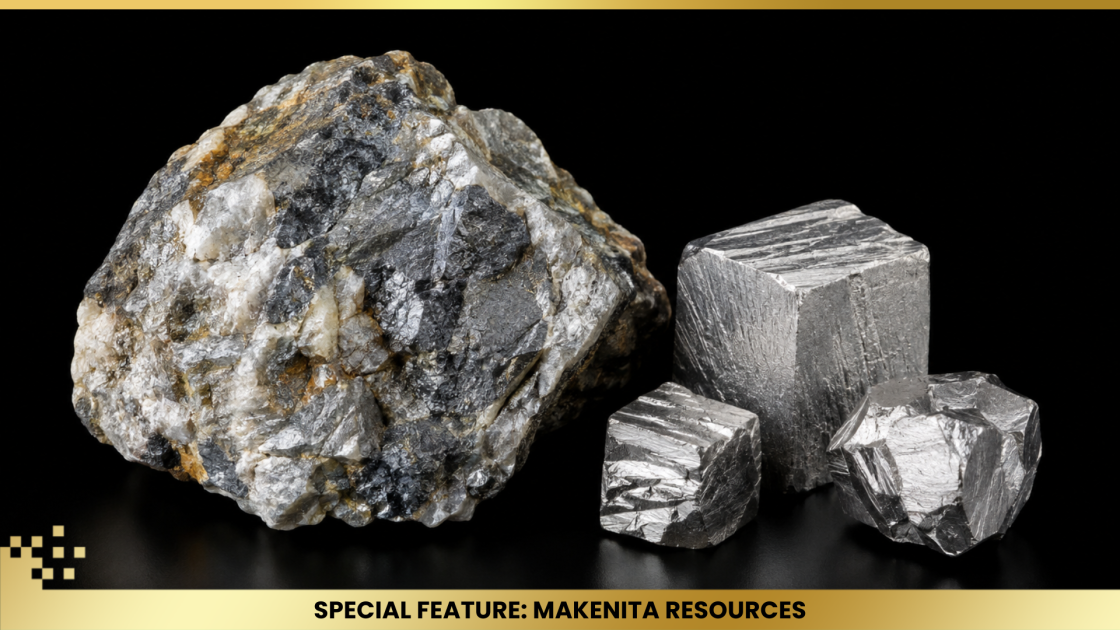
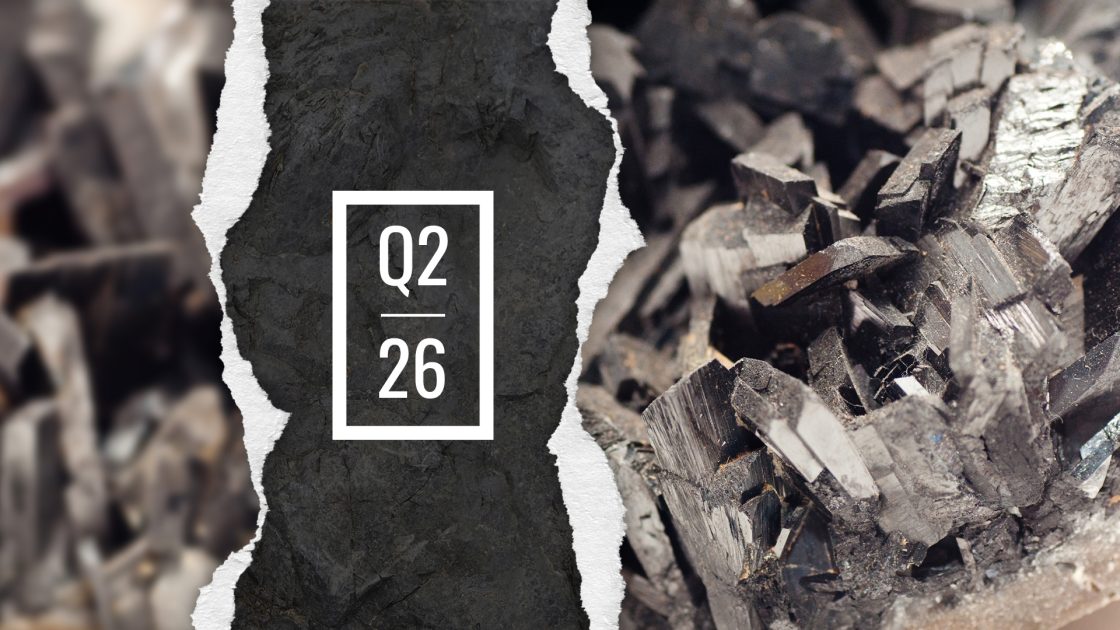
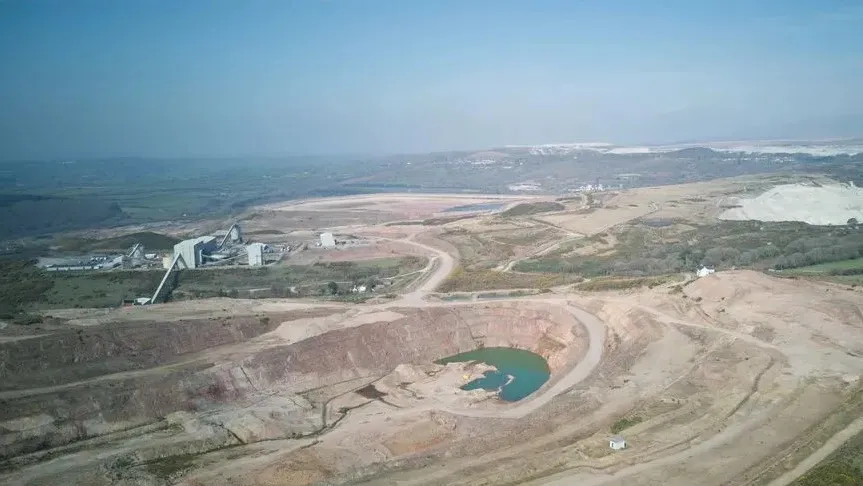
Tungsten mining activity involves the exploration, development, and extraction of tungsten-bearing minerals such as scheelite and wolframite. Many tungsten projects are developed alongside tin, molybdenum, copper, or other mineral systems.
In recent years, the tungsten sector has experienced renewed interest due to:
However, unlike bulk commodities that are produced across multiple major mining regions, global tungsten supply remains relatively concentrated.
This has increased attention on tungsten mining projects outside of dominant producing nations as countries seek to diversify supply chains and reduce strategic dependence.
Mining.com.au tracks tungsten mining news from Australian and international projects while following developments that may influence supply, pricing, and long-term market demand.
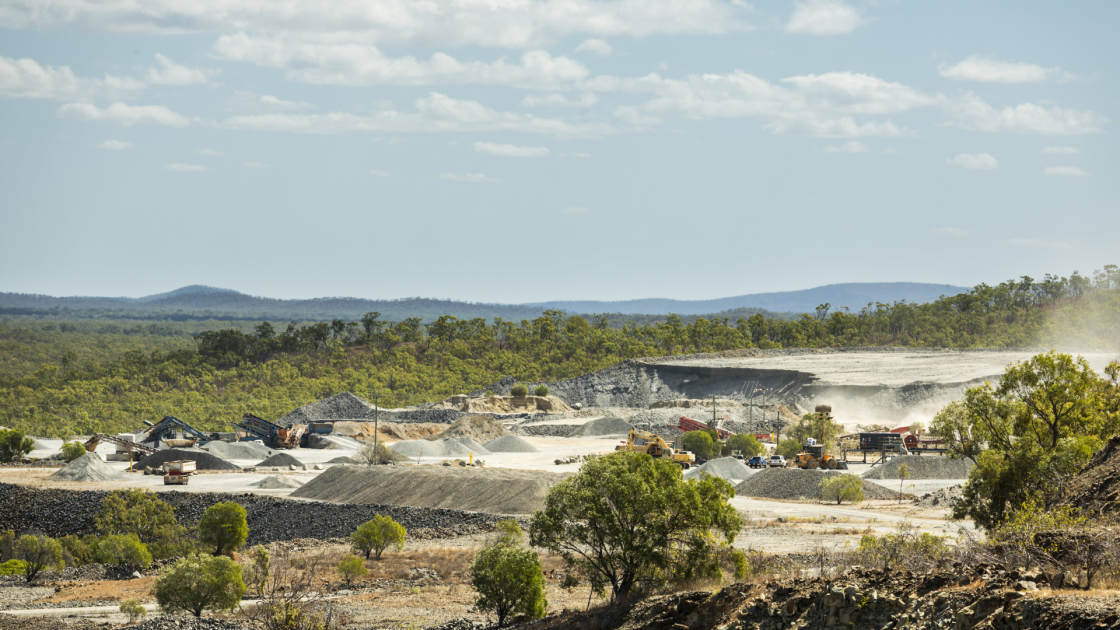
Australia hosts several tungsten exploration and development projects, with activity occurring across Western Australia, Queensland, New South Wales, and Tasmania.
ASX tungsten stocks range from early-stage explorers targeting new discoveries through to companies advancing development studies and restart opportunities at historic tungsten mines.
Interest in Australian tungsten projects has increased as investors and policymakers place greater emphasis on critical minerals capable of supporting advanced manufacturing, industrial capability, and supply chain security.
Our tungsten coverage includes reporting on:
Mining.com.au follows both emerging tungsten explorers and companies seeking to establish long-term tungsten production in stable mining jurisdictions.
Tungsten stocks can offer exposure to a niche but strategically important segment of the mining industry.
However, like many resource investments, tungsten companies may be influenced by commodity price volatility, financing conditions, project execution risks, and broader market sentiment.
Investors researching tungsten mining stocks often evaluate factors such as:
Because the tungsten market is smaller and less liquid than major commodities, tungsten stocks can sometimes experience sharp price movements following exploration results, funding announcements, or supply-related developments.
Mining.com.au provides industry-focused reporting designed to help readers better understand the operational and market factors shaping tungsten companies and projects.
While tungsten may not receive the same public attention as battery metals or precious metals, it remains deeply connected to industrial productivity and advanced manufacturing.
Industries relying on tungsten often require materials capable of performing under extreme conditions. As a result, tungsten continues to support sectors linked to infrastructure development, precision engineering, transport, defence technology, and industrial automation.
At the same time, increasing global investment in manufacturing resilience and strategic mineral supply chains may continue supporting long-term interest in tungsten exploration and project development.
As demand evolves, new tungsten discoveries, mine restarts, and processing innovations could play an important role in future global supply.
Tungsten prices are influenced by a combination of industrial demand, supply availability, geopolitical developments, and manufacturing activity.
Some of the key factors affecting tungsten markets include:
Because the tungsten market is relatively specialised, pricing transparency can sometimes be lower than usual for more widely traded commodities. This means project-specific developments and geopolitical events may significantly affect market sentiment.
Mining.com.au monitors these trends while providing timely coverage of tungsten mining news and industry developments relevant to investors, resource companies, and market participants.
Tungsten exploration and mining projects can involve technical, regulatory, financing, and commodity-market risks. Early-stage companies may face challenges associated with permitting, development funding, metallurgy, infrastructure, and changing market conditions.
Information published on this page is intended for general informational and industry awareness purposes only and should not be considered financial or investment advice. Readers should conduct independent research and seek professional advice before making investment decisions.
Tungsten is valued for its exceptional hardness, density, and heat resistance, making it essential in industrial cutting tools, heavy machinery, aerospace engineering, and high-performance manufacturing applications.
Tungsten is commonly extracted from minerals such as scheelite and wolframite, which are mined and processed to produce tungsten concentrates and refined materials.
Many governments consider tungsten a strategic or critical mineral because it is important for defence, manufacturing, energy infrastructure, and industrial technologies, while global supply remains concentrated in a limited number of regions.
Tungsten is widely used in mining equipment and drilling tools because tungsten carbide provides high durability and wear resistance in demanding operating conditions.
Global tungsten supply can be affected by mine production levels, geopolitical developments, export policies, refining capacity, environmental regulations, and industrial demand from manufacturing sectors.
Tungsten projects are less common than gold or lithium projects in Australia, but several exploration and development companies are advancing tungsten assets across multiple mining regions.
Tungsten prices may fluctuate due to changing industrial demand, supply chain disruptions, limited global production sources, and broader economic conditions affecting manufacturing activity.
Unlike battery metals that are primarily linked to energy storage technologies, tungsten is mainly used in industrial, engineering, aerospace, and defence applications requiring strength, durability, and heat resistance.

Stay Informed on up-to-the-minute mining news

Get the latest Mining news delivered straight to your inbox.