MDF Global MDF Global
Apple’s iPhone boom highlights critical minerals powering smartphones•Presenting a united front for Queensland’s copper sector•Thailand seeks Myanmar mine access amid arsenic pollution•Egypt to set up state-backed company to license artisanal gold miners, free detainees•Brixton closes $7.4 million raise for Thorn, Langis projects•Heliostar banks record $78.7 million for Ana Paula push•Mining giants bet billions on 2030 supply crunch•Gunnison Copper reports Q3 output, revenue surge•Triumph Gold targets $15.46 million for Yukon push•African Rainbow Minerals faces a jobs dispute at Nkomati mine•Angola seeks 10% stake in De Beers under Anglo’s proposed exit•Gold price rebounds but heads for biggest weekly loss since June•Teck copper strike reaches BC port as operator sues union•Copper benchmark rocked by miner-smelter tug-of-war•Zimbabwe mining bill targets community, environmental safeguards•Mount Isa critical minerals hub secures Feasibility Study funding•Eramet initiates $814.5 million capital raise to reduce debt•Richemont backs natural gemstones, declines De Beers comment•‘Tis the season for administration as Comlek falls a second time•OceanaGold Philippines trials wireless blasting at Didipio mine Apple’s iPhone boom highlights critical minerals powering smartphones•Presenting a united front for Queensland’s copper sector•Thailand seeks Myanmar mine access amid arsenic pollution•Egypt to set up state-backed company to license artisanal gold miners, free detainees•Brixton closes $7.4 million raise for Thorn, Langis projects•Heliostar banks record $78.7 million for Ana Paula push•Mining giants bet billions on 2030 supply crunch•Gunnison Copper reports Q3 output, revenue surge•Triumph Gold targets $15.46 million for Yukon push•African Rainbow Minerals faces a jobs dispute at Nkomati mine•Angola seeks 10% stake in De Beers under Anglo’s proposed exit•Gold price rebounds but heads for biggest weekly loss since June•Teck copper strike reaches BC port as operator sues union•Copper benchmark rocked by miner-smelter tug-of-war•Zimbabwe mining bill targets community, environmental safeguards•Mount Isa critical minerals hub secures Feasibility Study funding•Eramet initiates $814.5 million capital raise to reduce debt•Richemont backs natural gemstones, declines De Beers comment•‘Tis the season for administration as Comlek falls a second time•OceanaGold Philippines trials wireless blasting at Didipio mine
Cobalt Institute image (1)

Cobalt price drops 9.99% at end of last week

The price of cobalt dropped drastically at the end of last week, falling 9.99% within a 51.99% yearly increase according to Trading Economics.

Late last month, Mining.com.au reported the metal to be up 68.86% over the previous year to 25 August.

Cobalt is now trading at US$50,665 ($70,288) per tonne, with further growth forecast before the end of the quarter.

Trading Economics expects cobalt to trade at US$50,818 per tonne by the end of Q3, bringing the metal above what it was trading at prior to the drop.

Cobalt is primarily mined in the Democratic Republic of the Congo (DRC), Russia, Madagascar, Canada, and Australia.

Of the world’s top 10 cobalt mines, the top six mines are located in the DRC, while cobalt mines in Russia and Canada are often sourced as byproducts of nickel sulphide complexes.

The DRC accounts for over 75% of the world’s cobalt production, sourced from the two southern provinces of Lualaba and Haut-Katanga, Cobalt Institute reports.

Earlier in the year, the DRC outlined a total cobalt export quota of 96,600 tonnes over the 2026–27 financial year.

Commodity data group SunSirs reports that recent increases in cobalt prices reflect the export quota, along with controls on concentrate exports and policies that mandate in-country deep processing.

Cobalt and nickel exploration expenditures dropped to around $163 million in 2025, according to the Australian Government Department of Industry, Science and Resources’ (DISR) Resources and Energy Quarterly: June 2026.

This decrease is reported to follow negative demand drivers for the metals, including a shift to alternative battery chemistries and environmental, social, and governance concerns.

However, there is still positivity to stem for cobalt, spearheaded by continued growth in batteries needed for electric vehicles, as well as aerospace superalloys.

Write to Maddison Elliott at Mining.com.au

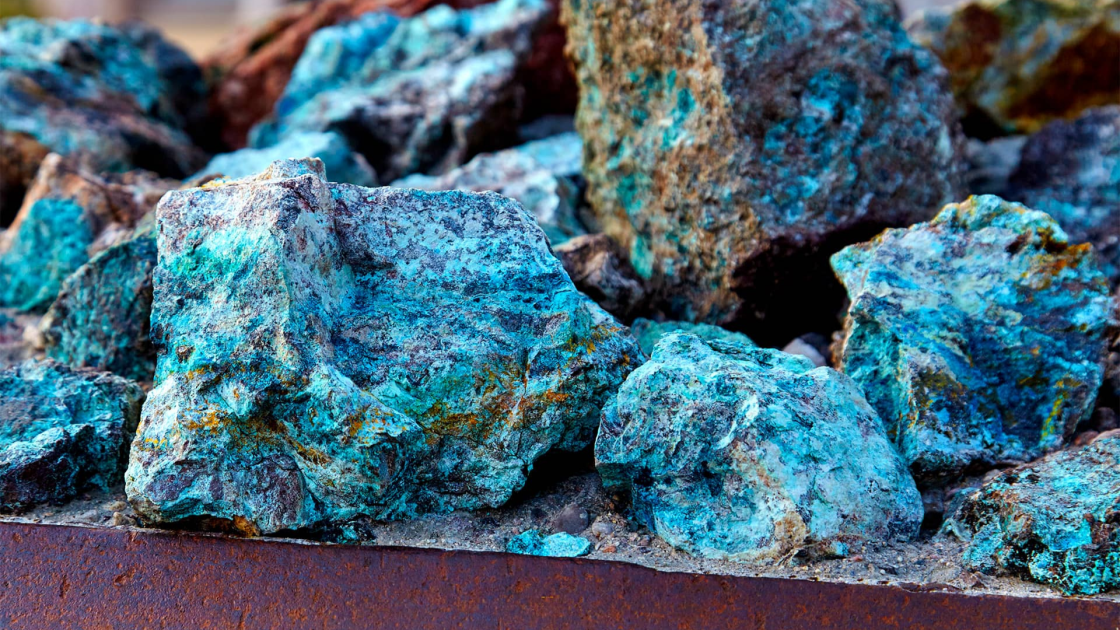
Main Image: Cobalt Institute

Add to Watch List:
Author Image
Written By Maddison Elliott
Maddison holds a Bachelor of Communication and Journalism, a Bachelor of Business, and a Master of Writing, Editing and Publishing. She enjoys transforming complex information into clear, engaging stories that inform, educate, and connect with readers. Outside of the newsroom, Maddison spends her time reading, exploring new places, catching a game, or spending time with friends and family.