
MDF Global MDF Global
Apple’s iPhone boom highlights critical minerals powering smartphones•Presenting a united front for Queensland’s copper sector•Thailand seeks Myanmar mine access amid arsenic pollution•Egypt to set up state-backed company to license artisanal gold miners, free detainees•Brixton closes $7.4 million raise for Thorn, Langis projects•Heliostar banks record $78.7 million for Ana Paula push•Mining giants bet billions on 2030 supply crunch•Gunnison Copper reports Q3 output, revenue surge•Triumph Gold targets $15.46 million for Yukon push•African Rainbow Minerals faces a jobs dispute at Nkomati mine•Angola seeks 10% stake in De Beers under Anglo’s proposed exit•Gold price rebounds but heads for biggest weekly loss since June•Teck copper strike reaches BC port as operator sues union•Copper benchmark rocked by miner-smelter tug-of-war•Zimbabwe mining bill targets community, environmental safeguards•Mount Isa critical minerals hub secures Feasibility Study funding•Eramet initiates $814.5 million capital raise to reduce debt•Richemont backs natural gemstones, declines De Beers comment•‘Tis the season for administration as Comlek falls a second time•OceanaGold Philippines trials wireless blasting at Didipio mine Apple’s iPhone boom highlights critical minerals powering smartphones•Presenting a united front for Queensland’s copper sector•Thailand seeks Myanmar mine access amid arsenic pollution•Egypt to set up state-backed company to license artisanal gold miners, free detainees•Brixton closes $7.4 million raise for Thorn, Langis projects•Heliostar banks record $78.7 million for Ana Paula push•Mining giants bet billions on 2030 supply crunch•Gunnison Copper reports Q3 output, revenue surge•Triumph Gold targets $15.46 million for Yukon push•African Rainbow Minerals faces a jobs dispute at Nkomati mine•Angola seeks 10% stake in De Beers under Anglo’s proposed exit•Gold price rebounds but heads for biggest weekly loss since June•Teck copper strike reaches BC port as operator sues union•Copper benchmark rocked by miner-smelter tug-of-war•Zimbabwe mining bill targets community, environmental safeguards•Mount Isa critical minerals hub secures Feasibility Study funding•Eramet initiates $814.5 million capital raise to reduce debt•Richemont backs natural gemstones, declines De Beers comment•‘Tis the season for administration as Comlek falls a second time•OceanaGold Philippines trials wireless blasting at Didipio mine

Yankuang Energy secures FIRB approval for Highfield deal

Yankuang Energy Group (SHA:600188) has received approval from Australia’s Foreign Investment Review Board regarding the proposed subscription for up to US$376 million ($608 million) worth of shares in Highfield Resources (ASX:HFR). 

In September 2024, both companies entered into binding agreements, alongside other strategic investors including Beijing Energy International Holding (HKG:686) and Singapore Taizhong Global Development. 

Yankuang Energy’s subscription forms an integral part of a cornerstone placement and ‘Southey vend-in’ through which Highfield seeks to raise US$220 million in equity from Yankuang and other strategic investors, and acquire the Southey potash project in Saskatchewan, Canada from Yankuang Energy.

Yankuang Energy will acquire the Southey Project via acquiring Yancoal Canada Resources for US$286 million.

Highfield CEO Ignacio Salazar says the FIRB approval is another “major” step in advancing the deal towards completion. 
“FIRB’s timely approval is the result of presenting a solid application,” Salazar says. 

“The company is making significant progress with regards to other jurisdictional approvals for the transaction.”

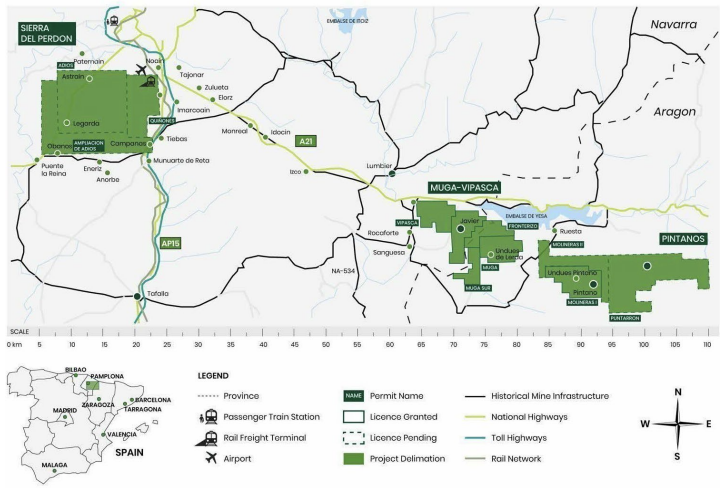
The deal is poised to transform Highfield Resources into a globally diversified potash company and deliver the remaining funding for phase of the Muga Potash Project in Spain. 

Yankuang Energy is a joint stock company that is engaged in mining, high-end chemicals and new materials, new energy, high-end equipment manufacturing and intelligent logistics. 

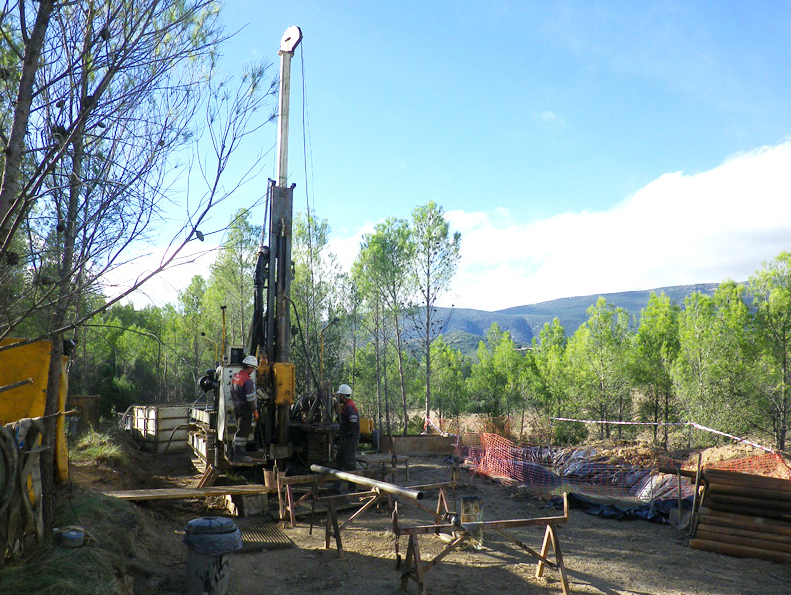
Highfield Resources is a potash-focused company that plans to begin full-scale construction of its Muga Project having finalised the initial site preparatory work and receiving all permits and key licences. 

Potash is primarily used in the agriculture sector, as well as industrial chemicals, animal feed, soap making, and food production. 

The most common forms of potash are muriate of potash (MOP), sulphate of potash (SOP) and nitrate of potash (NOP). 

MOP is the most commonly used in potash fertilisers, with over 55 million tonnes sold and used per year. SOP is an inorganic compound and is a white water-soluble solid.  Meanwhile, NOP is obtained by reacting potassium chloride with either nitric acid or ammonium nitrate or sodium nitrate. 

According to the Business Research Company, the potash market is forecast to grow from US$24.33 billion in 2024 to US$25.81 billion in 2025 at a compound annual growth rate of 6.1%. 

The growth can be attributed to global food security concerns, technological agriculture adoption, biofuel production, changing dietary patterns, as well as climate change adaptation. 

Write to Aaliyah Rogan at Mining.com.au   

Images: Highfield Resources

Add to Watch List:
Author Image
Written By Aaliyah Rogan
Originally from New Zealand, Aaliyah brings several years of experience covering the resources sector, with a focus on companies, commodities and global mining markets. Her reporting has spanned European markets and the evolving global mining landscape, with a focus on the stories and market forces driving change across the sector.