The US Government is investing US$162 million ($228.6 million) across nine projects aimed at recovering critical minerals, materials, and other valuable byproducts from industrial feedstocks.
The Department of Energy’s (DOE) Office of Critical Minerals and Energy Innovation announced the project selections on Tuesday as part of ongoing efforts to strengthen domestic mineral supply chains.
The projects will support the recovery of materials including scandium, copper, antimony, and rare earth elements through bench- and pilot-scale facilities.
“Leveraging existing bench-scale and pilot-scale facilities is a vital opportunity to produce critical materials necessary for our energy, defense, and economic security,” Assistant Secretary of Energy Audrey Robertson says.
“By investing in these facilities, we can de-risk commercial scale production technologies to grow new economic and manufacturing opportunities.”
Nine projects selected
The funding is divided into two areas based on the maturity of the technologies being developed.
The first will support bench-scale facilities designed to advance technologies from the laboratory stage towards prototype development.
Four companies have been selected: Anactisis (Pittsburgh, Pennsylvania); Still Bright (Newark, New Jersey); Nusano (West Valley City, Utah); and SiTration (Cambridge, Massachusetts).
The second area will support pilot-scale facilities aimed at advancing technologies from the prototype stage towards pre-commercial demonstration.
The five selected companies are: Thompson Creek Metals Company, a unit of gold miner Centerra Gold (TSX:CG); Felix Gold (ASX:FXG), owner of the Treasure Creek Antimony Project in Alaska; Wyoming-based mineral recovery technology developer DISA Technologies; US aluminium giant Alcoa (NYSE:AA); and Trigg Minerals, an antimony developer based in New Jersey.
The DOE’s National Energy Technology Laboratory will manage the nine projects.
US critical minerals push
The latest funding follows a series of US government investments aimed at expanding domestic critical mineral production and processing.
These include US$75 million for five projects using coal and coal-based feedstocks to produce rare earth elements, and US$134 million for two projects aimed at recovering rare earths from mine tailings, electronic waste, and other waste materials.
The investments form part of the DOE’s US$1 billion initiative announced last year to advance and scale mining, processing, and manufacturing technologies across key stages of the critical minerals and materials supply chain.
The DOE funding is aimed at supporting President Donald Trump’s Unleashing American Energy executive order and the administration’s broader efforts to reduce reliance on foreign critical mineral supply chains.
Write to Jackson Chen at Mining.com.au
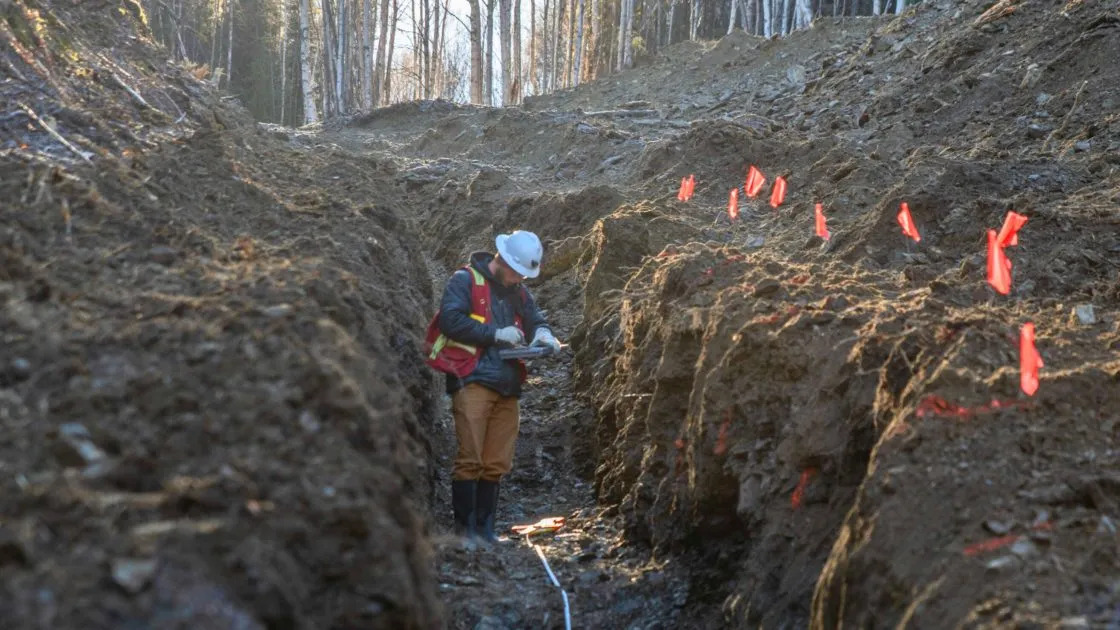
Image: Felix Gold