MDF Global MDF Global
Apple’s iPhone boom highlights critical minerals powering smartphones•Presenting a united front for Queensland’s copper sector•Thailand seeks Myanmar mine access amid arsenic pollution•Egypt to set up state-backed company to license artisanal gold miners, free detainees•Brixton closes $7.4 million raise for Thorn, Langis projects•Heliostar banks record $78.7 million for Ana Paula push•Mining giants bet billions on 2030 supply crunch•Gunnison Copper reports Q3 output, revenue surge•Triumph Gold targets $15.46 million for Yukon push•African Rainbow Minerals faces a jobs dispute at Nkomati mine•Angola seeks 10% stake in De Beers under Anglo’s proposed exit•Gold price rebounds but heads for biggest weekly loss since June•Teck copper strike reaches BC port as operator sues union•Copper benchmark rocked by miner-smelter tug-of-war•Zimbabwe mining bill targets community, environmental safeguards•Mount Isa critical minerals hub secures Feasibility Study funding•Eramet initiates $814.5 million capital raise to reduce debt•Richemont backs natural gemstones, declines De Beers comment•‘Tis the season for administration as Comlek falls a second time•OceanaGold Philippines trials wireless blasting at Didipio mine Apple’s iPhone boom highlights critical minerals powering smartphones•Presenting a united front for Queensland’s copper sector•Thailand seeks Myanmar mine access amid arsenic pollution•Egypt to set up state-backed company to license artisanal gold miners, free detainees•Brixton closes $7.4 million raise for Thorn, Langis projects•Heliostar banks record $78.7 million for Ana Paula push•Mining giants bet billions on 2030 supply crunch•Gunnison Copper reports Q3 output, revenue surge•Triumph Gold targets $15.46 million for Yukon push•African Rainbow Minerals faces a jobs dispute at Nkomati mine•Angola seeks 10% stake in De Beers under Anglo’s proposed exit•Gold price rebounds but heads for biggest weekly loss since June•Teck copper strike reaches BC port as operator sues union•Copper benchmark rocked by miner-smelter tug-of-war•Zimbabwe mining bill targets community, environmental safeguards•Mount Isa critical minerals hub secures Feasibility Study funding•Eramet initiates $814.5 million capital raise to reduce debt•Richemont backs natural gemstones, declines De Beers comment•‘Tis the season for administration as Comlek falls a second time•OceanaGold Philippines trials wireless blasting at Didipio mine
Donald Trump

Trump tightens defence sourcing rules for critical minerals

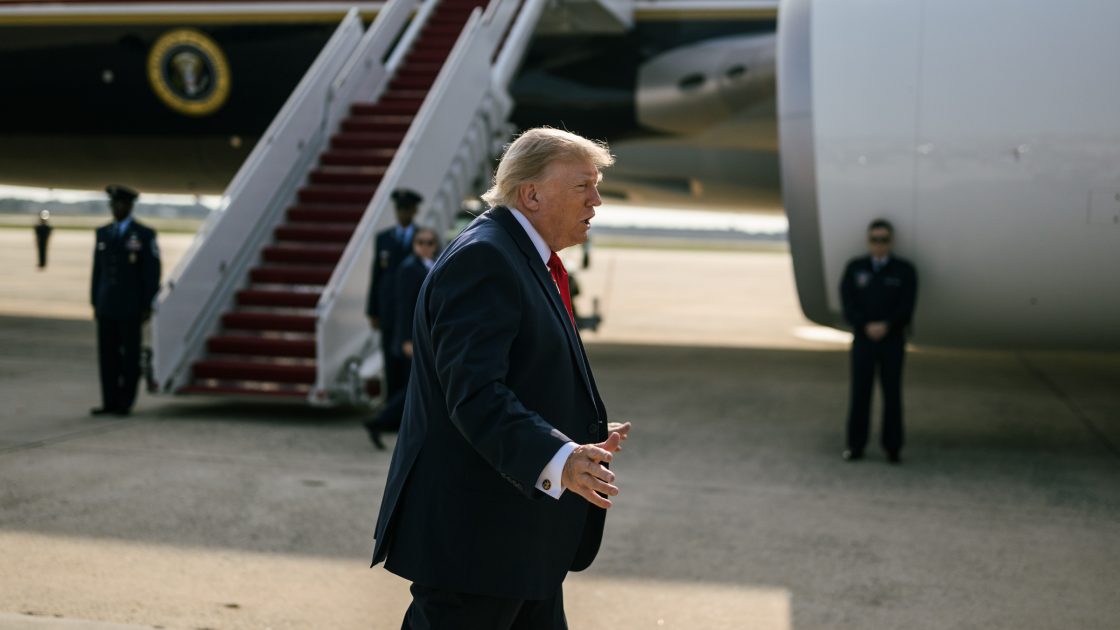
US President Donald Trump has signed an Executive Order aimed at strengthening America’s defence supply chains by encouraging greater use of domestically sourced critical minerals, thereby reducing reliance on foreign supply.

The order limits when the Secretary of Defense can grant waivers allowing critical materials to be sourced from so-called “covered nations”. In some cases, contractors seeking a waiver will have to submit “mitigation plans” showing how they intend to move those supply chains back to the US.

Trump’s order also directs the Department of War to develop new rules requiring more detailed mapping of critical defence supply chains.

Furthermore, defence contractors are encouraged to begin qualifying new domestic and allied sources of critical minerals, materials, and components used in military procurement.

At the same time, the Trump Government will remove regulatory hurdles that may slow the approval of new suppliers in the procurement process.

According to the White House, these measures are designed to secure supplies of the materials needed to manufacture advanced military equipment as the US faces growing geopolitical competition.

The administration says that while restrictions on sourcing materials from strategic rivals have existed for years, more needs to be done to strengthen domestic production and improve supply chain resilience.

The latest action builds on previous executive orders signed by Trump since returning to office. Those include measures to speed up permitting for critical mineral projects, modernise defence procurement, negotiate new trade agreements covering processed critical minerals, and strengthen the US defence industrial base.

The move comes as the US and its allies work to reduce dependence on China, which dominates the supply of many critical minerals used in defence, aerospace, and advanced technologies.

The order also aligns with growing concerns over critical mineral supply security. The International Energy Agency (IEA) recently identified gallium, magnet rare earths, yttrium, graphite, tungsten, tellurium, cobalt, and germanium as among the minerals facing the greatest supply risks because production and refining remain highly concentrated.

Chinese export controls on these strategic materials, leading to the drastic jump in their prices in recent years, highlight the risks of concentrated supply chains.

Write to Jackson Chen at Mining.com.au

Image: The White House | Flickr

Add to Watch List:
Author Image
Written By Jackson Chen
Jackson is a Canadian-based writer with over a decade of experience covering the global mining industry. Over the years, he has reported on a wide range of topics, from commodities and major industry deals to emerging technologies shaping the future of mining. Jackson holds a Master's degree in economics.