


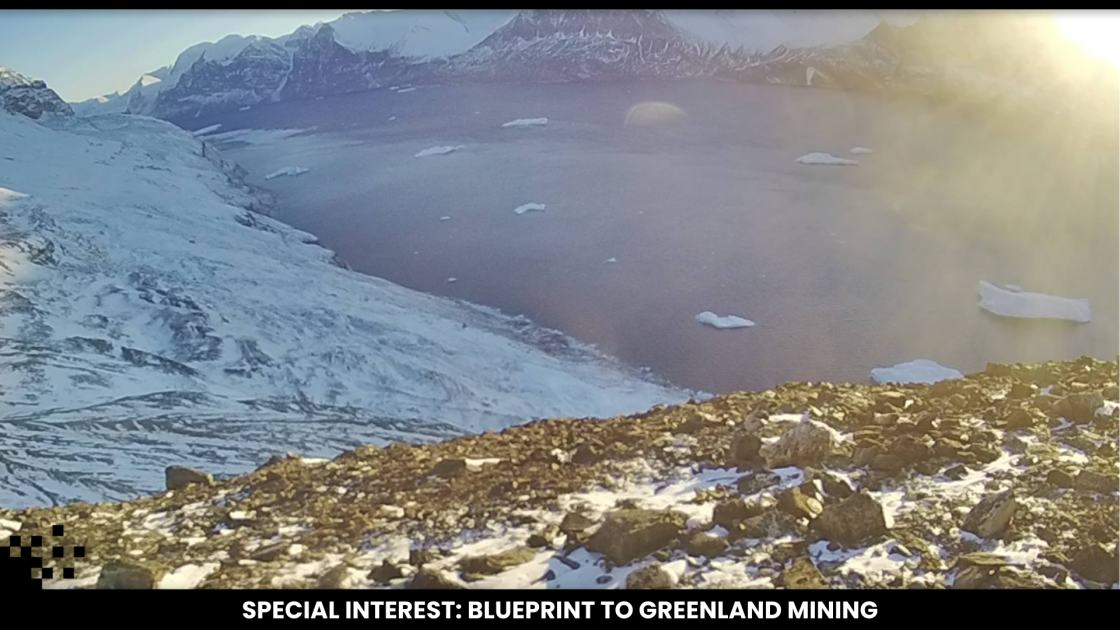
Greenland’s mining sector from 2026 to 2030 looks less like a sudden boom and more like a deliberate build-up of strategic assets with global relevance. By the end of this decade – geopolitical plays and US rhetoric aside – Greenland could host several producing mines that supply both traditional metals and critical minerals to global markets.
Whether this future arrives on schedule depends on overcoming Arctic challenges — and on the world’s appetite for frontier minerals that may be costly to extract but highly valuable in a decarbonising economy. It is obviously beholden to America’s latest attempt to obtain the island from the Kingdom of Denmark.
Talks within the US Government about first purchasing Greenland date back to 1867 when then secretary of state William H Seward advocated the move. The idea was once more floated in 1910, and 36 years later America again secretly proposed buying the ice-covered nation, which was then knocked back by Denmark. The US last made an offer proposing to acquire Greenland in 1955.
The country since 1949 has been a founding member of NATO (North Atlantic Treaty Organization) and has enjoyed its protection – an organisation of which the US and Denmark are members. NATO is a political and military alliance of 32 countries in Europe and North America. It was founded with a clear mission – to safeguard the freedom and security of all its members, against all threats, from all directions.
Few knew that in 2026 the security threat of a NATO member country would come from within.
“When we combine our strengths, of NATO and the EU, we can more effectively tackle the many challenges we face”
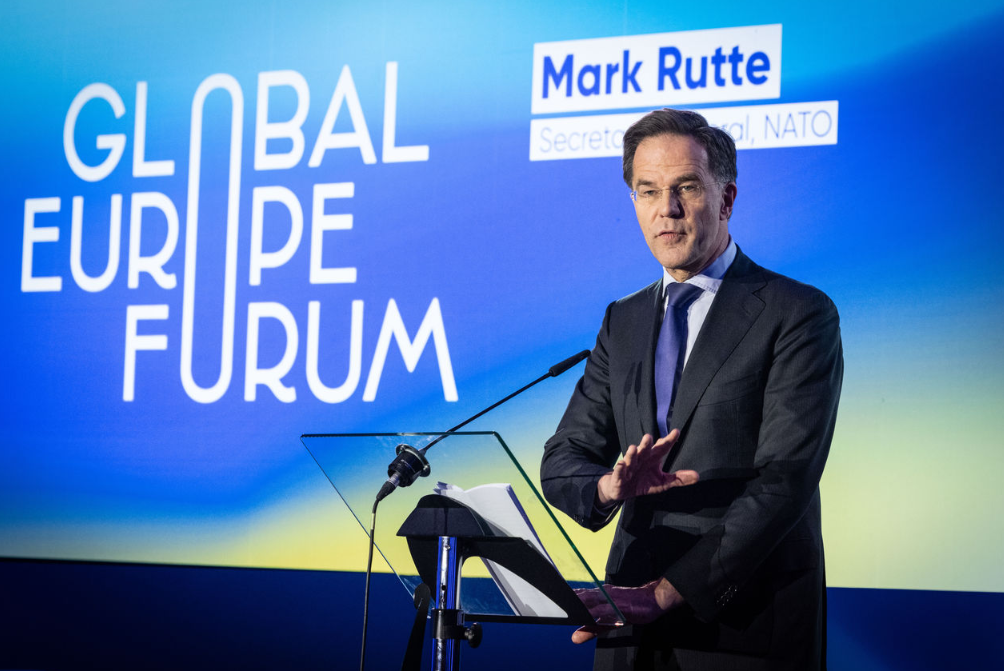
NATO Secretary General Mark Rutte on 13 January addressed the Renew Global Europe Forum at the European Parliament. Highlighting how NATO Allies are investing more in defence, boosting defence industrial production, and ensuring robust support for Ukraine, Rutte underlines the value of cooperation between NATO and the EU to enhance shared security.
“When we combine our strengths, of NATO and the EU, we can more effectively tackle the many challenges we face,” the Secretary General says.
“Working together, we keep Ukraine strong today and able to defend itself against any aggression in the future. And working together, we can produce more defence capabilities, and we can produce them faster. We can innovate better and outsmart our competitors.”
He emphasises the complementary nature of the work of NATO and the EU and encourages members to build on the cooperation between the two organisations.
Blueprint to Greenland’s resources
Yet Greenland’s mining story remains in its earlier chapters — but the narrative is now moving from geological potential toward strategic, pipeline-driven development that could redefine the island’s economic identity over the next decade.
In the years to 2030, what lies ahead includes transitioning early projects (like graphite and molybdenum) into sustained production; developing rare earth element value chains that reach beyond surface sampling; aligning infrastructure investment with project scale; attracting diversified foreign capital through clearer policy frameworks; and balancing economic growth with environmental protection and community priorities.
Greenland’s mining sector starts 2026 on a cautious but momentum-building trajectory. What was once geological promise buried under ice and logistical scepticism is now emerging as a strategic frontier with real projects, foreign investment interest (excluding America’s threats), and an increasingly supportive policy environment.
Data from the Geological Survey of Denmark and Greenland (GEUS) shows Greenland still has only two operating mines as of early 2026 — a gold mine in the south and an anorthosite operation near Kangerlussuaq — but the wider mineral landscape is far richer and more complex than those figures suggest.
Beyond gold and feldspar, critical minerals and metals including graphite, molybdenum, copper, and rare earth elements (REEs) sit on the horizon of potential development, according to GEUS.
Heading to 2030, Greenland is poised to shift from a fledgling mining jurisdiction into a region where minerals contribute meaningfully to economic diversification and global supply chains — if the right conditions align.
Early stages but not without momentum
Greenland’s mining story does not begin with vast fleets of heavy equipment or sprawling projects. Instead it starts with modest but strategic early stage operations and expanded geological knowledge.
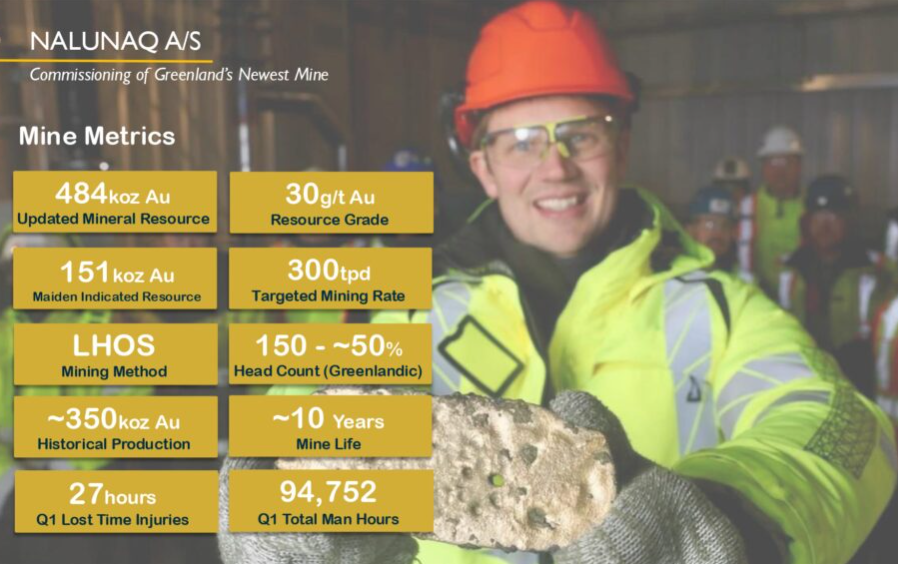
Companies like Amaroq Minerals (TSX-V:AMRQ) have brought production life to the former high-grade Nalunaq gold mine, pouring its first gold in 2024 and significantly expanding its resource base — a 51% increase reported in 2025. This positions the mine for a longer life and deeper development activity into the late 2020s.
The existing anorthosite operation remains small, but it represents one of the few industrial-scale pits in the territory. Combined with continued geological mapping by GEUS and the Greenland Mineral Resources Portal (Greenmin.gl), Greenland’s fundamental assets are better defined than ever.
This information groundwork is critical. In the mining capital markets, data de-risks opportunity — giving explorers, investors and governments confidence to plan multi-year investments.
Strategic future in a frontier economy
The next phase of Greenland’s future mining development will likely be shaped by a handful of higher-impact, more capital-intensive projects.
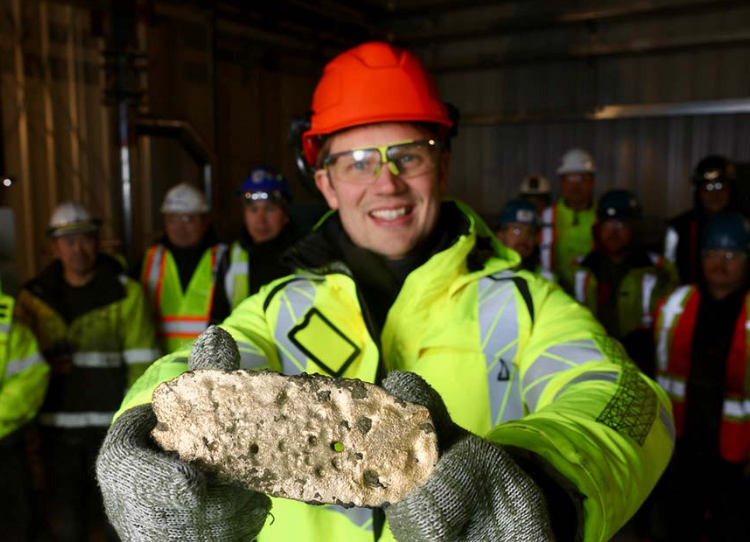
One of the most tangible near-term projects is the Amitsoq graphite mine, which in late 2025 secured a 30-year exploitation licence and backing from the European Raw Materials Alliance. The project is expected to produce around 80,000 tonnes per annum of high-purity graphite concentrate — a material central to lithium-ion battery anodes and EV supply chains — over more than two decades.
That licence positions graphite as a strategic export and a foundation for broader mining growth. Graphite’s fast-emerging role in energy transition markets gives Greenland an early foothold in critical minerals demands.
Another flagbearer is the Malmbjerg molybdenum project, permitted with support from the European Raw Materials Alliance and positioned to produce tens of millions of pounds of concentrate annually. Molybdenum is vital for steel strengthening and clean-energy infrastructure, and this project’s status as an EU-strategic asset embeds Greenland in Western industrial strategy.
Rare earth elements also remain a high-value but high-complexity target. Emerging discoveries such as REE mineralisation at Amaroq’s Nunarsuit licences signal the potential for Greenland to eventually enter heavy REE markets — those used in powerful permanent magnets and defence technologies.
Initial sampling showing high grades up to 2.3% TREO (Total Rare Earth Oxides) positions the Gardar Province as a future supply alternative.
However, the path from promising surface samples to sustained commercial production remains long — typically stretching toward 2030 and beyond, given Arctic conditions, infrastructure constraints and processing hurdles.
Policy shifts and investment climate
Market observers agree the trajectory of mining through to 2030 will be shaped as much by policy and politics as by geology. A 2026 election result in Greenland is expected to boost mining prospects through clearer pro-development policy that emphasises foreign investment, diversification, and stable regulation — a departure from past caution that weighed on investor confidence.
Analysts note this shift could help unlock new capital for projects large and small. According to S&P Global, Greenland’s fledgling mineral projects are poised to benefit from the March 2025 surprise victory by the centre-right opposition in the general election.
Last year’s election results were a clear victory for the Demokraatit party with the result expected to significantly impact regulatory policy towards mineral exploitation as Greenland’s government almost a year on seeks to boost foreign investment and diversify its economy away from a reliance on subsidies from Denmark.
S&P Global expects Demokraatit to continue manifesting a greater push for diversification of the economy and creating openness to foreign investment in the mining sector in particular.
The global research and data firm cites GreenRoc Strategic Materials (LSE:GROC) CEO Stefan Bernstein saying most of Greenland’s political parties have acknowledged the importance of developing the domestic mining industry.
Bernstein is confident the 2025 election will be beneficial to the minerals industry in Greenland amid consensus that building a minerals industry is an important way to diversify the nation’s economy.
GreenRoc is developing its 100% owned Amitsoq graphite project in southern Greenland. According to a 2023 preliminary economic assessment (PEA), Amitsoq is expected to produce ‘high-grade’ graphite concentrate (in excess of 94%) over a 22-year mine life.
But not all policy headwinds are resolved. Greenland maintains stringent environmental standards, especially around issues like uranium — where past debate has led to costly legal disputes and halted rare earth projects.
Balancing environmental preservation with economic opportunity remains a central theme in the territory’s mining discourse. Greenland’s leadership has also signaled that Western engagement is preferred, yet if global capital does not respond, some officials suggest the territory may need to consider partners beyond Europe and North America — a potentially sensitive geopolitical pivot.
Infrastructure: From bottleneck to scaling up
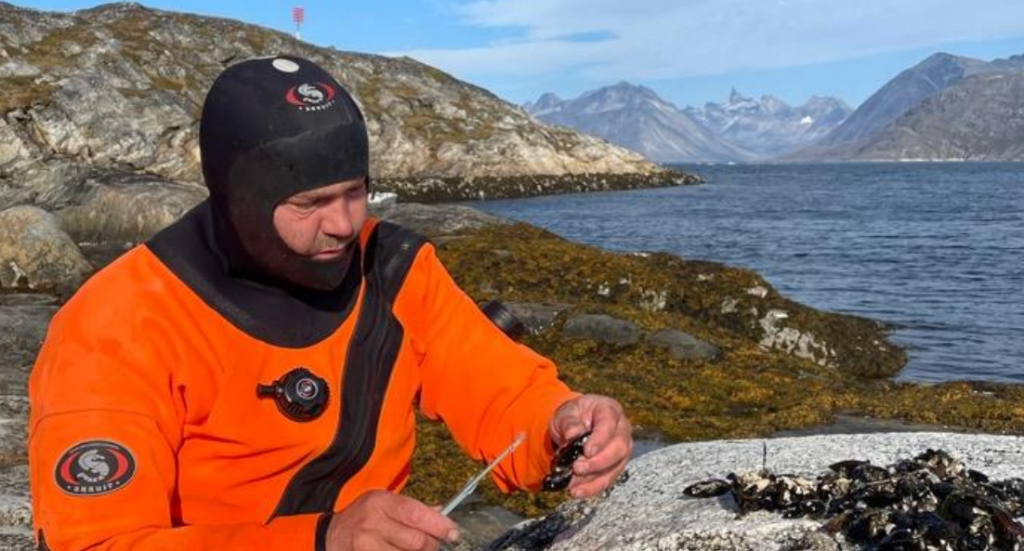
Even as projects advance and policy becomes more supportive, one structural challenge remains – infrastructure, or more specifically, the lack of it. Greenland does not have the dense transport, power, and logistics networks that underpin conventional mining districts.
Roads are rare, railways non-existent, and most heavy equipment access must come via ship or air – often seasonally dependent. These challenges make operating costs extraordinarily high and timelines long, factors that will shape investment decisions through 2030.
Improvement in Arctic shipping access due to reduced sea ice may help, but it is not a panacea, as per the Geological Survey of Denmark and Greenland (GEUS).
In many ways, analysts agree Greenland’s mining future depends on unlocking infrastructure solutions — whether through public-private partnerships, foreign investment with infrastructure components, or phased development strategies that reduce initial capital barriers.
Its mineral outlook to 2030, however, cannot be understood in isolation from global metallurgical demand trends. Western nations, particularly in Europe and North America, seek to diversify supply chains for critical minerals and metals that are essential for renewable energy technologies, defence applications and advanced industries.
Greenland’s graphite, molybdenum, and potentially rare earth resources give it leverage in these markets, particularly if processing and refining capacity is aligned with extraction.
Some analysts forecast that, if infrastructure and regulatory risk are mitigated, Greenland could see multiple operating mines by the early 2030s, producing significant quantities of strategic materials that contribute to Western supply security.
But they say success is conditional. Investors will likely watch not just geological news, but policy and geopolitical stability, ESG performance, community partnerships, and transparency in permitting — factors that increasingly determine capital allocation in frontier jurisdictions.
Reading the riot act: NATO’s Article 5
Mining’s development will by all accounts affect the broader economy. Presently, the territory relies heavily on subsidies from Denmark, a structure that mining revenues could gradually supplant over the long term, creating jobs, training opportunities and local revenue streams.
However, this transformation is set to be gradual and analysts say must be navigated with care. Community consultation, respect for Indigenous rights, and environmental stewardship must remain integral to the sector’s evolution — not afterthoughts.
US President Donald Trump claims that taking over the semi-autonomous territory is important because Greenland, which as mentioned is part of the territory of NATO ally Denmark, is vital to America’s security because of its strategic location and large supply of minerals.
Yet the world’s biggest island – situated between the Arctic and Atlantic Oceans – has been controlled by Denmark (some 3,000km away) for about 300 years. Greenland governs its own domestic affairs, but decisions on foreign and defence policy are made in Copenhagen.
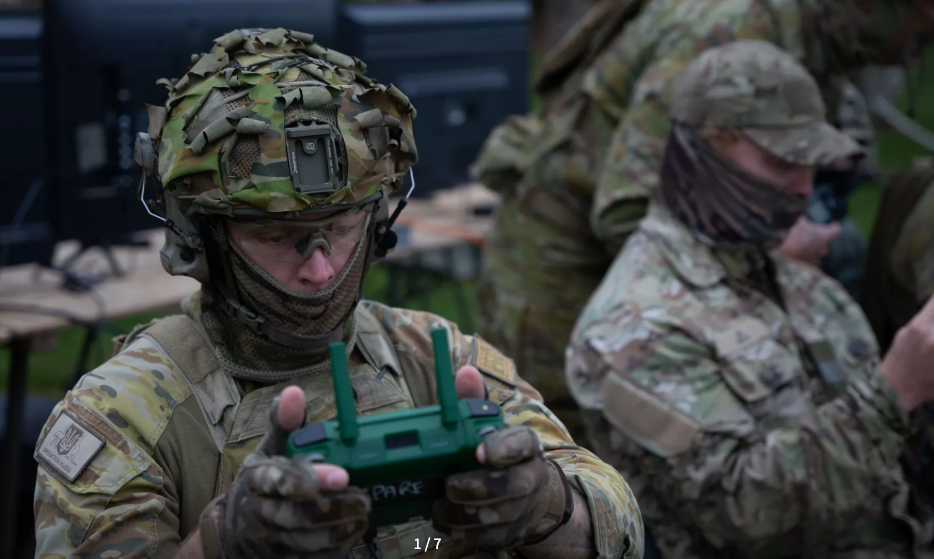
European nations have now sent small numbers of military personnel to the island at Denmark’s request in a symbolic gesture of unity. Perhaps a hint of irony that the very metals and minerals crucial to the world’s militaries and defence sectors are in abundance in a tiny nation now at the centre of a real potential military showdown.
Greenland may have a blueprint for mining its resources but the world does not have one for America threatening to conquer a fellow member of NATO, an organisation in which member states agree to mutual defence in response to an attack by any outside party. This is enshrined in Article 5 of the treaty, which states that an armed attack against one member shall be considered an attack against them all.
Is the US about to launch an attack to seize Greenland and therefore force NATO’s 31 other member states to invoke Article 5 of the treaty?
Write to Adam Orlando at Mining.com.au
Images: Government of Greenland, GreenRoc & NATO


