

A new national research from WorkPro reveals that mining operators are being warned that systems designed to keep their workforce compliant may be driving away job-ready candidates.
Based on a survey of 5,600 Australian job seekers, the findings reveal that 61% of candidates have abandoned an online job application at least once and nearly 40% quit because the process was too long or complex.
It also highlights the repeated compliance steps, such as re-uploading licences, re-verifying tickets and completing checks across multiple platforms, are a key frustration.
WorkPro says for mining employers managing skills shortages and project timelines, these delays can mean losing qualified, site-ready workers before they even reach mobilisation.
Speaking to Mining.com.au, WorkPro Founder Tania Evans says candidate drop-off is becoming a critical issue because mining is operating within a tight and highly specialised market.
“The sector employs around 297,000 people in Australia, with a large proportion of roles based in regional and remote locations,” Evans says.
“Key occupations include drillers, truck operators, electricians, diesel fitters, mining engineers and geologists, many of which are in short supply. Jobs and Skills Australia data highlights that some of these talent pools, such as mining engineers, are relatively small nationally, which limits replacement options when candidates are lost.”
The consequences of candidates drop-off are practical and directly linked to operations.
Mining environments rely on well-timed mobilisation, particularly for shutdowns, maintenance programs and production schedules.
Evans says when candidates withdraw late in the process, it affects mining companies planning and execution.
Some of the key implications include delays in mobilisation, increased labour costs, production flow considerations, additional pressure on existing teams and heightened focus on compliance coordination.
Managing compliance
WorkPro’s latest research highlights that the issue is not compliance itself, but rather how it is implemented. The research shows candidates are digitally capable, but disengage when verification steps are duplicated or fragmented across systems.
Compliance is essential in mining, reflecting the safety-critical nature of the sector. Workers are typically required to hold multiple licences, certifications and site-specific accreditations. This includes high-risk work licences, machinery tickets, safety inductions, medical clearances, drug and alcohol testing, police checks and verification of work rights.
Evans notes that the opportunity sits within how this compliance is managed.
“In many environments, processes involve multiple systems, repeated document uploads and manual validation steps,” she tells this news service.
“A more structured approval to compliance delivers several benefits, including reduced effort for candidates through streamlined information capturing and improved efficiency for employers with consistent validation and tracking.”
Other benefits include greater data accuracy and clear visibility of currency across licences, training and certifications.
“When compliance is managed in a coordinated and visible way, it supports both workforce readiness and operational confidence,” Evans adds.
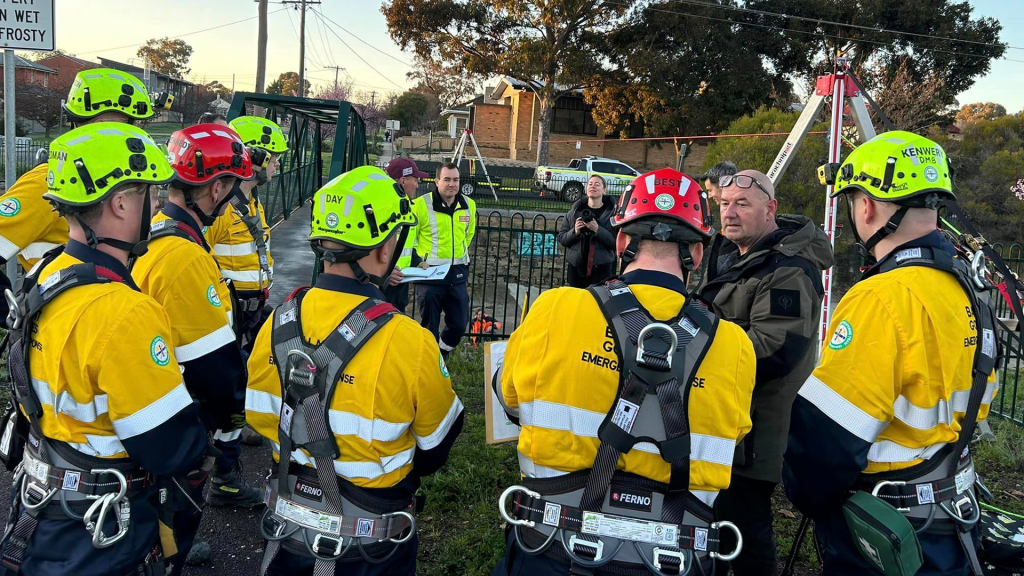
The Minerals Council of Australia (MCA) has identified sustained shortages across operational and technical roles, emphasising the level of competition of skilled workers.
CEO Tania Constable says Australia’s mining sector is facing a severe skills shortage, threatening the nation’s ability to take advantage of the growing global demand for critical minerals.
“Mining is facing a workforce crunch as demand for talent intensifies while nearly half of mining engineers are expected to retire within the next decade, yet hundreds of foreign engineers living in Australia are forced to drive Ubers or accept other work below their level of expertise for a living,” Constable says.
According to the MCA, apprentices and trainees made up 4.4% of the mining workforce for the last 15 years, with almost 11,000 mining apprentices and trainees in training.
As Mining.com.au reported, young Australians are shying away from choosing careers in the mining sector for a variety of reasons.
MPI Recruitment says Gen Z is increasingly turning away from the mining sector.
“The generation born between 1997 and 2012 is actively turning its back on mining.”
A 2023 McKinsey report also highlights this trend, showing a 63% decline in Australian mining graduates from 2014 to 2020; similarly, the US saw a 39% decline from 2016 to 2020.
Despite this figure, Australia cannot find enough people to fill critical roles such as engineers, metallurgists, geologists, electricians, mine surveyors, diesel fitters and drillers.
Shifting to efficiency
Although candidate drop-off is becoming a more critical issue, there is growing recognition of the broader cost within the industry.
Evans says there is a clear shift toward more connected and efficient approaches.
“Mining and labour organisations are aligning compliance management with overall workforce experience,” she says.
“This includes greater use of integrated systems, improved visibility of candidate readiness and more consistent handling of information across recruitment, onboarding and compliance stages.”
Some of the key areas of focus include recognising verified information and reducing duplication, as well as improving visibility of licences, training and credentials, and aligning systems to support seamless data flow.
In contractor and labour hire environments, where workers are moving between sites and projects, this particular approach supports continuity and efficiency.
“The direction is making compliance management more coordinated, transparent and easier to navigate,” Evans notes.
Smaller talent pools and ongoing demand place greater emphasis on retaining skilled workers, supporting internal mobility and maintaining visibility of workforce capability.
The more mining companies that prioritise clearer processes, connected systems and strong data practices are well-positioned to attract and retain talent.
Launched in 2007, WorkPro is an end-to-end workforce compliance and recruitment platform. The platform was established after founder Tania Evans noticed the time-consuming and inefficient practice of manual form completion by job seekers.
Write to Aaliyah Rogan at Mining.com.au
Images: Unsplash & Minerals Council of Australia