



The Lion Investment Clock has been adjusted to place the mining cycle smack bang on the ‘mergers’ phase with the clock ticking towards ‘cash takeovers’ and ‘boom’ just on the horizon.
The cycle tracker is Lion Selection Group’s (ASX:LSX) patented mining clock and is central to the firm’s investment strategy. Lion closely monitors the mining cycle via the timepiece and aims to align investments and exits with mining busts and booms to take best advantage of weak markets to invest and strong markets to sell.
The mining sector has now ticked past ‘declining exploration’ and is in a period of mergers before Lion flags it ticking towards cash takeovers, and eventually new floats with a boom time also on the cards, Lion reports in its August 2024 clock update.

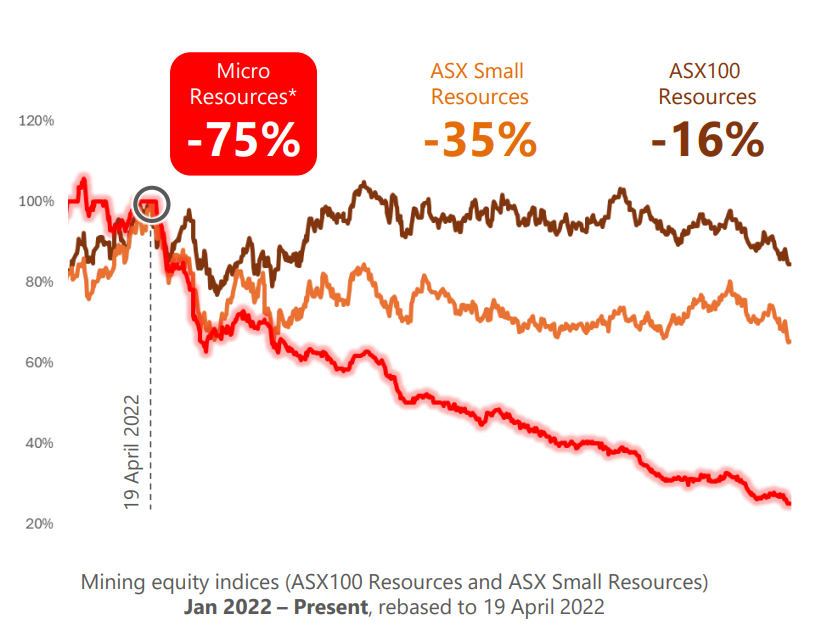
Equity prices for micro-capitalisation resources companies have collapsed and are still falling. Liquidity for the mining space has also collapsed amid very challenging conditions for micro-capitalisation resources companies to raise money, which is driving the market towards M&A, Lion reports.
The Lion Clock depicts the mining cycle according to liquidity indicators that are diagnostic of the different stages of the cycle. Liquidity is the amount of investor capital available to buy shares of miners and invest in equity fundraisings.
When the cycle crashes, the time is 12 o’clock – midnight – and equity prices of miners and explorers collapse as liquidity dries up. Lion Selection Group notes most mining busts are comparatively short (compared with booms), and end when mining equities adopt a positive trend.
“The first to recover are the largest miners, and historically they have provided first liquidity to the sector in the early stages of a boom, either by investing in or taking over smaller peers that are trading at depressed or discounted prices. The boom gathers pace as more and more investors return to the sector,” Lion notes.
“Early indications are new exploration companies listing via initial public offerings – capital raisings are extremely challenging for explorers during a bust, which makes IPOs impossible.
“The tempo of exploration IPOs (number per year) grows through a boom. Exploration expenditure by the industry is typically slashed in a bust, and once funding becomes available for risky endeavours (either as cashflow recovers or investors provide it), exploration activity grows.”

Lion Selection adds the peak of the boom coincides with “exuberance” within the sector – high salaries paid by juniors that are market funded, record capital expenditure, large and premium priced takeover deals, “and successful explorers trading on market capitalisations commensurate with cash producing miners”.
According to the investment firm, a crash generally results from a catalyst which is most obvious in hindsight that causes investors to sell mining equities.
Historically catalysts have included market crashes such as in 1987 and the Global Financial Crisis in 2007, commodity price weakening (2011), or investors becoming disenfranchised with the profitability of miners (as occurred between 1997–1998, and 2011–2015).
Founded in 1997 by Robin Widdup, Lion Selection Group has been an early shareholder and contributed to the growth of a long list of successful mining companies.
Profitable exits have enabled Lion to make significant distributions to shareholders and in 2021 and 2022 the firm exited two substantial Indonesian gold investments which resulted in a cash return to Lion of over $90 million at the top of the mining cycle.
Write to Adam Orlando at Mining.com.au
Images: Lion Selection Group


