
MDF Global MDF Global
ASEAN seeks bigger role in critical minerals supply chain•Apple’s iPhone boom highlights critical minerals powering smartphones•Presenting a united front for Queensland’s copper sector•Thailand seeks Myanmar mine access amid arsenic pollution•Egypt to set up state-backed company to license artisanal gold miners, free detainees•Brixton closes $7.4 million raise for Thorn, Langis projects•Heliostar banks record $78.7 million for Ana Paula push•Mining giants bet billions on 2030 supply crunch•Gunnison Copper reports Q3 output, revenue surge•Triumph Gold targets $15.46 million for Yukon push•African Rainbow Minerals faces a jobs dispute at Nkomati mine•Angola seeks 10% stake in De Beers under Anglo’s proposed exit•Gold price rebounds but heads for biggest weekly loss since June•Teck copper strike reaches BC port as operator sues union•Copper benchmark rocked by miner-smelter tug-of-war•Zimbabwe mining bill targets community, environmental safeguards•Mount Isa critical minerals hub secures Feasibility Study funding•Eramet initiates $814.5 million capital raise to reduce debt•Richemont backs natural gemstones, declines De Beers comment•‘Tis the season for administration as Comlek falls a second time ASEAN seeks bigger role in critical minerals supply chain•Apple’s iPhone boom highlights critical minerals powering smartphones•Presenting a united front for Queensland’s copper sector•Thailand seeks Myanmar mine access amid arsenic pollution•Egypt to set up state-backed company to license artisanal gold miners, free detainees•Brixton closes $7.4 million raise for Thorn, Langis projects•Heliostar banks record $78.7 million for Ana Paula push•Mining giants bet billions on 2030 supply crunch•Gunnison Copper reports Q3 output, revenue surge•Triumph Gold targets $15.46 million for Yukon push•African Rainbow Minerals faces a jobs dispute at Nkomati mine•Angola seeks 10% stake in De Beers under Anglo’s proposed exit•Gold price rebounds but heads for biggest weekly loss since June•Teck copper strike reaches BC port as operator sues union•Copper benchmark rocked by miner-smelter tug-of-war•Zimbabwe mining bill targets community, environmental safeguards•Mount Isa critical minerals hub secures Feasibility Study funding•Eramet initiates $814.5 million capital raise to reduce debt•Richemont backs natural gemstones, declines De Beers comment•‘Tis the season for administration as Comlek falls a second time

Frontier Energy heralds new battery efficiencies at Waroona Project

Under the stage one development for its Waroona Renewable Energy Project in Western Australia, Frontier Energy (ASX:FHE) has selected a longer battery duration at lower capital costs, further enhancing the project’s economics. 

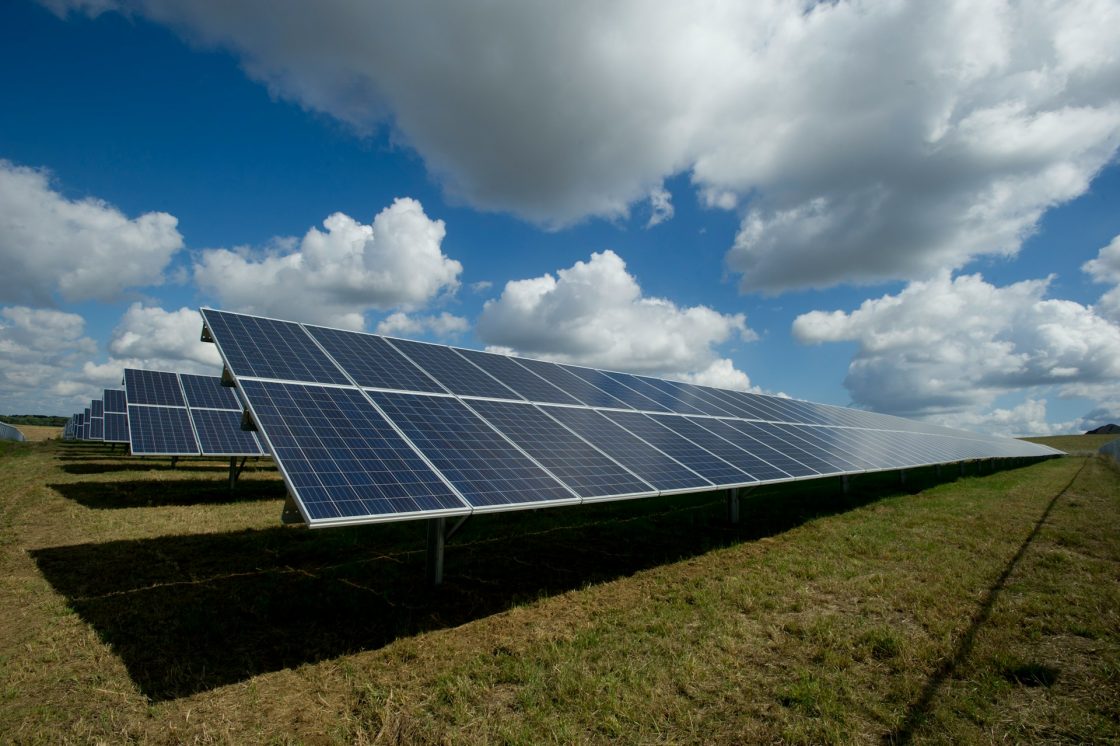
Located 120km south of Perth, the Waroona Project comprises a 120 megawatt solar facility and an integrated four-hour 80 megawatt battery. 

Frontier, which has a market capitalisation of $209.79 million, says the final battery selection resulted in a 12% increase in the battery duration to four and a half hours, compared to four hours in the Definitive Feasibility Study (DFS). 

The improved battery duration will increase Waroona’s revenue compared to the DFS, as more energy can be sold during peak electricity price periods, while reserve capacity payments will also be higher than previously estimated.

CEO Adam Kiley says the company is in a fortunate position that the costs have fallen since the release of the DFS in February. 

“Battery prices have fallen due to a combination of factors, including falling raw materials prices, improvement in supply chain, and reportedly weaker than anticipated demand, resulting in an ample supply of batteries in the current market,” he says. 

“The company continues to progress its funding strategy, with both debt financing and strategic partnering processes well advanced.”

Despite the capacity increase, the capital cost of the battery has reduced 5% from the original estimate of $118.5 million in the DFS. 

Frontier says the improvements in the battery technology means it can deliver more energy over time. The larger storage capacity also enables further storage of electricity during times of low pricing, such as morning and lunch, and dispatch during times of peak pricing.

Frontier claims the Waroona Project has the potential to become Western Australia’s largest standalone renewable energy projects, as Frontier controls 868 hectares of adjoining freehold land, while also having approvals in place for a connection onto the state’s electricity network with a terminal adjacent to the project. 

Write to Aaliyah Rogan at Mining.com.au   

Images: Unsplash

Add to Watch List:
Author Image
Written By Aaliyah Rogan
Originally from New Zealand, Aaliyah brings several years of experience covering the resources sector, with a focus on companies, commodities and global mining markets. Her reporting has spanned European markets and the evolving global mining landscape, with a focus on the stories and market forces driving change across the sector.