

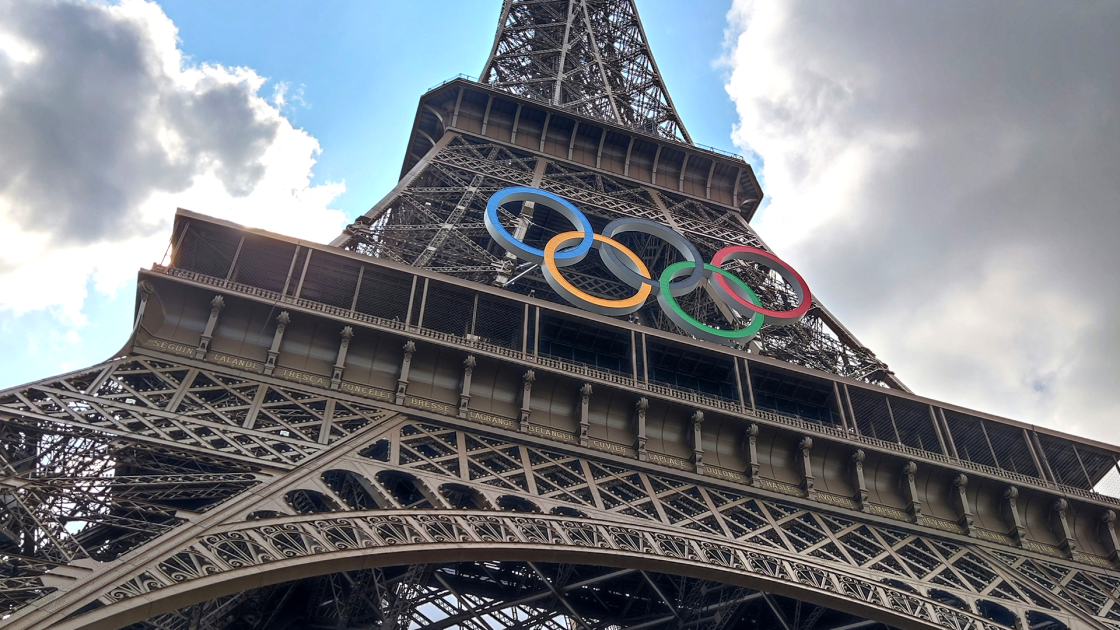
Behind the triumphs of 10,500 athletes at this year’s Olympic Games in Paris lies a lesser-known story about the metals mined from the earth to cast the coveted Olympic Games medals.
An Olympic medal contains several metals and represents a pinnacle in athletic achievement. Not only does the medal represent dedication and hard work, but it can also enhance the individual’s career, while simultaneously contributing to the rich history of the games.
At the 2024 Paris Olympic Games, there are a staggering 329 medal events, each presenting participants with the potential to add their name to the gold medal-winning chronicles of Olympic history.
The design of each medal is a unique artistic endeavour, crafted by the host city’s organising committee, and varies with each edition of the Olympic Games.
This year, a unique twist has emerged. Investment firm Saxo Bank reveals that the medals will contain 18 grams of iron sourced from the Eiffel Tower; a touch of Parisian heritage intertwined with athletic achievement.
As the prices for precious metals, specifically gold, continue to soar, Mining.com.au delves into the metals that constitute these iconic Olympic medals, uncovering their surprising composition.
What were Olympic medals made of historically?

The history of Olympic medals is as rich and layered as the athletes who earn them. When the first modern Olympic Games took place in Athens in 1896, the notion of a first place medal was quite different.
Surprisingly, first place received a silver medal, while the runner up was awarded a bronze — derived from copper — medal.
It wasn’t until the third consecutive Olympic Games, held in St Louis in the US, when gold medals made their debut, setting the stage for the prestigious accolades the world recognises today.
The value of these historic medals is anything but ordinary. In 2018, Christie’s New York auctioned a gold medal from the St Louis Games for $125,000, even though auction experts at the time predicted that the 14-karat gold medal could fetch up to $200,000.
Back then the price of gold hovered around US$1,300 ($1,984) per ounce, as reported by ABC Bullion. This price reflects the shifting value of these remarkable pieces of history.
How have Olympic medals changed?
Over the years, the composition of Olympic medals has evolved. Researchers have noted that the last full gold medal was awarded during the 1912 games, marking a turning point in the design and material use.
So, what exactly are the modern medals made of?
During the 2020 Games held in Tokyo, the organising committee took a more ecofriendly approach to their medal design. Through a landmark recycling initiative, the committee ensured each medal had been moulded entirely from metals extracted from recycled consumer electronics between 2018 and 2020.
The Tokyo committee collected 78,985 tonnes of discarded devices, comprising 6.21 million used digital cameras, handheld games, mobile phones, and laptops. All of these recycled items were melted down by contractors.
Around 30.3kg of gold, 4,100kg of silver, and 2,700kg of bronze were used in creating the Tokyo Olympic Games medals.
What metals are Olympic medals made from?
Fast forward to the 2024 games, and the International Olympic Committee (IOC) reports that an official gold medal must contain at least 92% silver and a minimum of six grams of gold.
Saxo says this year’s bronze medal still consists primarily of copper, along with zinc, and that notable 18 grams of iron from the Eiffel Tower. This brings the medal’s total weight to around 455 grams.
The silver medal, on the other hand, will feature a core of 507 grams of silver, supplemented by 18 grams of Eiffel Tower iron, weighing in at 525 grams.
Curiously, the gold medal is not predominantly gold at all. According to the IOC’s regulations it contains just six grams of gold plating. But, the bulk of the medal is 505 grams of silver, with an additional 18 grams of iron from the Eiffel Tower, culminating in a weight of 529 grams.
How much are Olympic medals worth?
Given the current value of each metal used in crafting an Olympic Games medal, Saxo says it is not surprising that a gold medal tops the podium for all of the medals based on its raw composition value.
While the real prize for an athlete is wearing the medal around their neck, Saxo Bank reports one of the 2024 Olympic gold medals is valued at US$935.89. Silver comes in at US$473.43, and bronze medals are valued at just US$3.88.
A piece of iron from the Eiffel Tower though? Some would argue that is priceless.
Industry-specific forecasting services Oxford Economics estimated that by the next Olympic Games, these medals will be worth even more. By 2028, during the Los Angeles Olympics, they project the gold medals will be worth US$1,136, while silver medals will be US$579, and bronze medals will be US$5.20.
Fast forward to the 2032 Brisbane Olympics and they say these medals will likely be worth US$1,612, US$608, and US$6 respectively.
As the prices for these metals continue to rise, the winning athletes will most certainly secure a good deal should they ever choose to sell.
Despite the composition value of these medals — from inside the earth, to the heights of a podium stand — they tell a story of their own.
Write to Aaliyah Rogan at Mining.com.au
Images: Unplash, Wikimedia Commons