


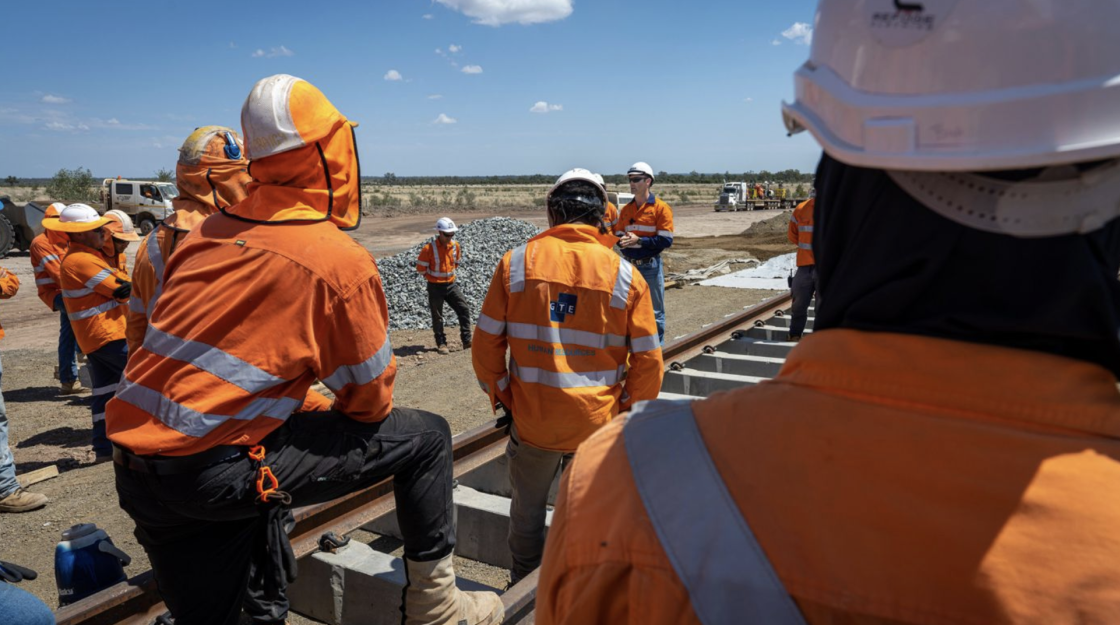
Australia’s fly-in fly-out (FIFO) workers are experiencing fatigue and alertness challenges, which MPI Recruitment’s marketing business partner Mark Pearce says could create more movement in and out of the industry.
Following the release of MPI’s latest survey revealing more than half of the respondents saying their current roster is not sustainable long-term or already causing burnout, as Mining.com.au reported last week.
Speaking to this news service, Pearce explains for some workers these rosters work long-term, but what may be changing is how it is being used in a broader group of workers.
“We’re hearing more candidates are approaching FIFO to achieve financial goals rather than something they plan to do indefinitely,” he says.
Pearce says that roster designs play a much bigger role than logistics.
“Workers often link longer swings with fatigue, reduced recovery, and difficulty maintaining focus over time. In a safety-critical environment, those factors naturally become part of a broader safety conversation.
“What the survey highlights is that while more balanced rosters are available in parts of the industry, they’re not yet the dominant experience for most workers, and that gap is becoming more visible in candidate conversations.”
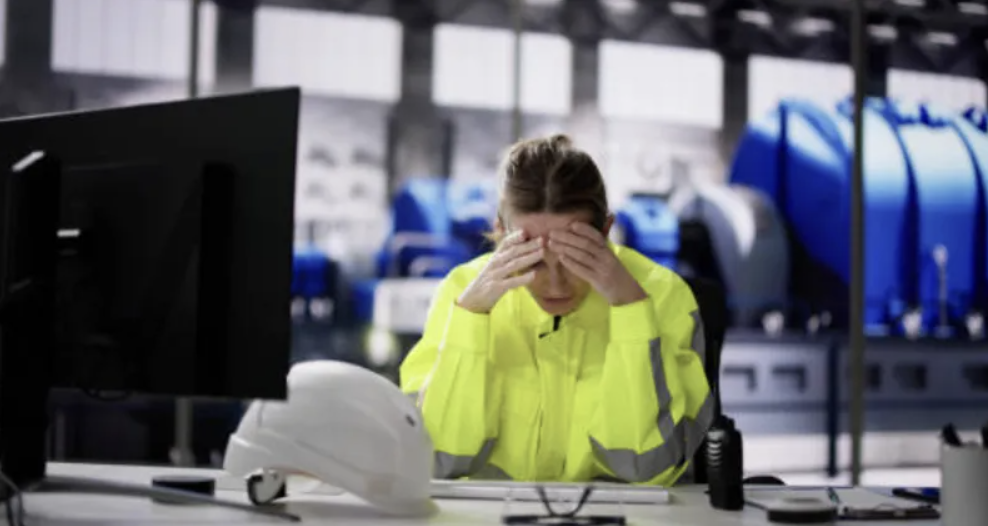
FIFO and fatigue
From the data collected, MPI’s survey suggests there may be a gap between how fatigue risk is managed on paper and how it’s experienced by workers day-to-day.
“We regularly speak with candidates who say they can do their job, but it’s the cumulative effect of long swings and limited recovery time that becomes difficult to sustain,” Pearce tells Mining.com.au.
“When more than half of workers describe their roster this way, it raises a question about whether current approaches are fully capturing the lived fatigue, not just the hours worked.”
The anonymous poll, conducted between 2-16 March 2026, gathered responses from 207 FIFO workers across a range of sites and roster types.
Many of the survey respondents directly linked unsustainable rosters to exhaustion, a known driver of workplace incidents. Several also reported feeling physically and mentally drained, particularly during long rotations.
One respondent wrote “long swings are the problem. You’re exhausted by the end of it and still have to travel home. It’s hard to recover properly before going back again”.

FIFO’s motivators
From a recruiting standpoint, MPI sees two different pools of candidates based on this survey – one is financial motivation and chasing longer rosters, while the other is those who’ve been in the industry for a long time and are looking for lifestyle.
Pearce says although pay attracts people, it does not always keep.
“Many candidates are open to FIFO roles because of the earning potential, particularly in the current economic climate,” he notes.
“But over time, conversations tend to shift toward roster sustainability, time at home, and overall lifestyle.
“The survey reinforces what we’re hearing in the market. Retention is increasingly being shaped by matters like how workable the roster is, alongside leadership people believe in, and culture, not just what the salary looks like.”
As reported, MPI’s February 2026 survey revealed that leadership and culture are the main drivers behind why workers are leaving the mining industry or changing jobs.
According to MPI Recruitment, 86% of Australia’s mining workers are movable, with only 14% ‘empathetically’ planning to stay put in 2026.
Out of the 217 employees surveyed, 66% prioritise leadership and culture, while only 6% care mostly about pay.
When asked to comment about why employees are looking and what they are looking for next, one respondent wrote that they are seeking for “a decent boss who’s fair, rather than somebody pandering to the cameras to look good”.
Another wrote, “leadership integrity (values aren’t just words on a wall) … mining is too easily held back by its ’we’ve always done it this way’ and a fear of setting precedent”.
MPI Recruitment specialises in connecting skilled people with trusted mining employers through temporary, permanent and executive search recruitment.
Write to Aaliyah Rogan at Mining.com.au
Images: Bravus Mining & Resources & Unsplash


