

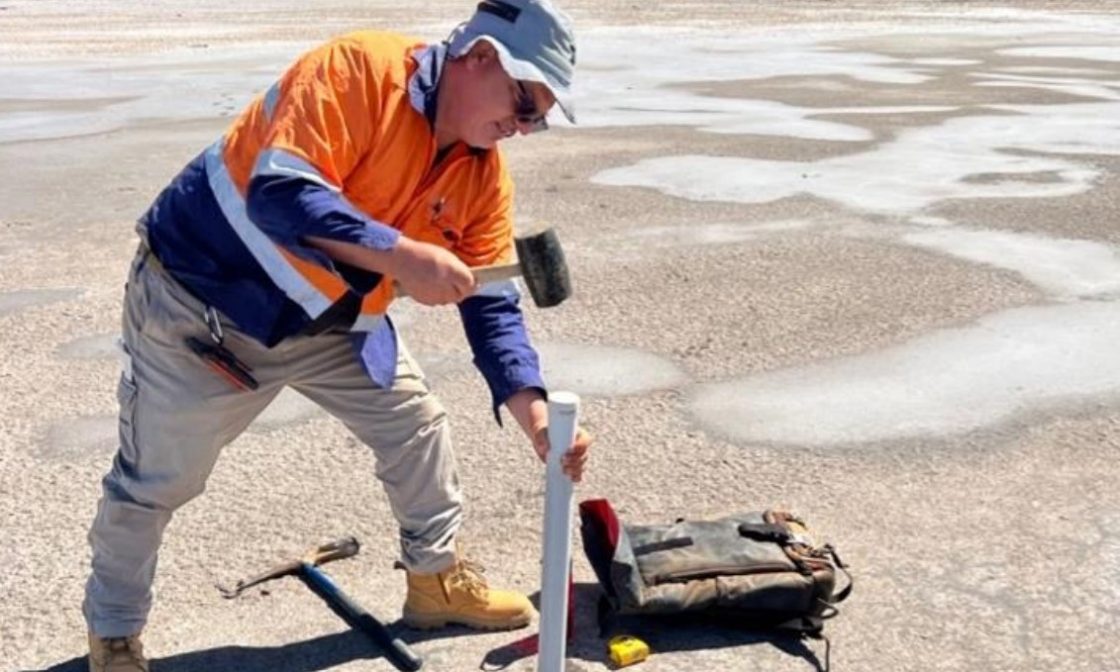
Detailed discussions are progressing regarding the design and construction of a pilot plant to produce consistent quality from Impact Minerals’ (ASX:IPT) Lake Hope High-Purity Alumina Project in Western Australia.
Construction of the plant remains be a key goal for the company in 2025.
HPA of consistent quality is a requirement for serious engagement with potential offtake partners, Impact Minerals notes.
In August, the company lodged a mining lease application and associated miscellaneous licence for Lake Hope, as reported by Mining.com.au.
The approvals process, coupled with the logistics and estimated costs of mining and transporting the Lake Hope mud to the process plant, form one of the four key parts of the progressing Prefeasibility Study (PFS).
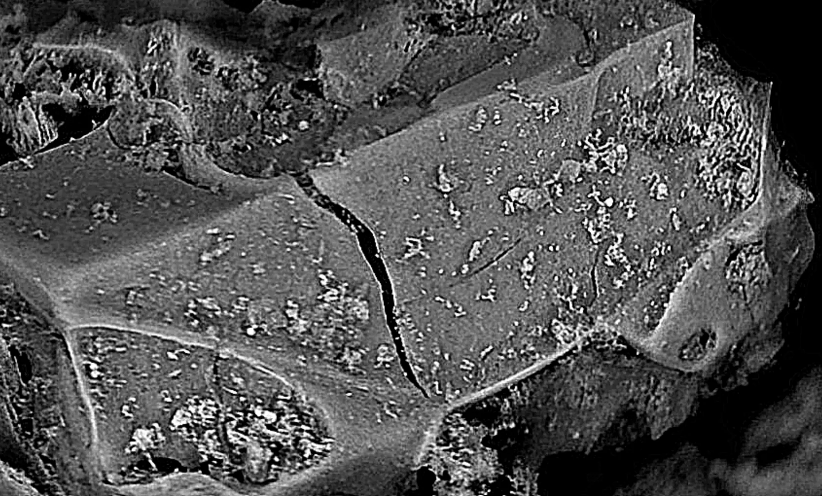
Following the recent lodgement of a mining lease application, the negotiation protocol has been reviewed and returned from the prescribed body corporate (PBC) for the Ngadju Aboriginal peoples, which outlines the negotiation framework to achieve a Land Access Agreement and a Cultural Heritage Management.
An initial meeting with the PBC to beging negotiations is set for next week on 16 October.
Detailed mining schedules with proposed equipment and site logistics have been completed, and quotes have been sent to several mining and transport companies to provide detailed cost estimates for mining and transporting ore to Kwinana.
These will be fed into a detailed financial model being prepared for the PFS.
The HPA market size surpassed US$2.8 billion ($4.15 billion) in 2023 and is anticipated to register 13.2% CAGR between 2024 and 2032, largely driven by growing demand for LED lighting and displays.
According to Global Market Insights, by 2032 the market is forecasted to be valued at US$8.8 billion.
The International Energy Agency (IEA) reports that 14 million electric cars were sold in 2023. High-purity alumina is employed in the production of lithium-ion battery separations, which are critical for EV battery performance and safety.
Developments in battery technology and the push for greater energy storage are also driving demand. The ongoing innovations in renewable energy storage and research into more efficient battery materials will subsequently increase the market growth, Global Market Insights reports.
“However, the production of high-purity alumina requires advanced technology and high energy input, which can result in higher production costs. The availability of raw materials and price fluctuations can create challenges in the supply chain affecting the stability and predictability of production,” according to Global Market Insights.
“Stringent regulatory requirements and environmental concerns associated with alumina extraction and processing are also adding to some compliance and operational costs, restricting the market growth to some extent.”
Write to Adam Orlando at Mining.com.au
Images: Impact