


There’s no bigger mining forum than Diggers & Dealers, which is underway in Kalgoorlie, Western Australia, this week.
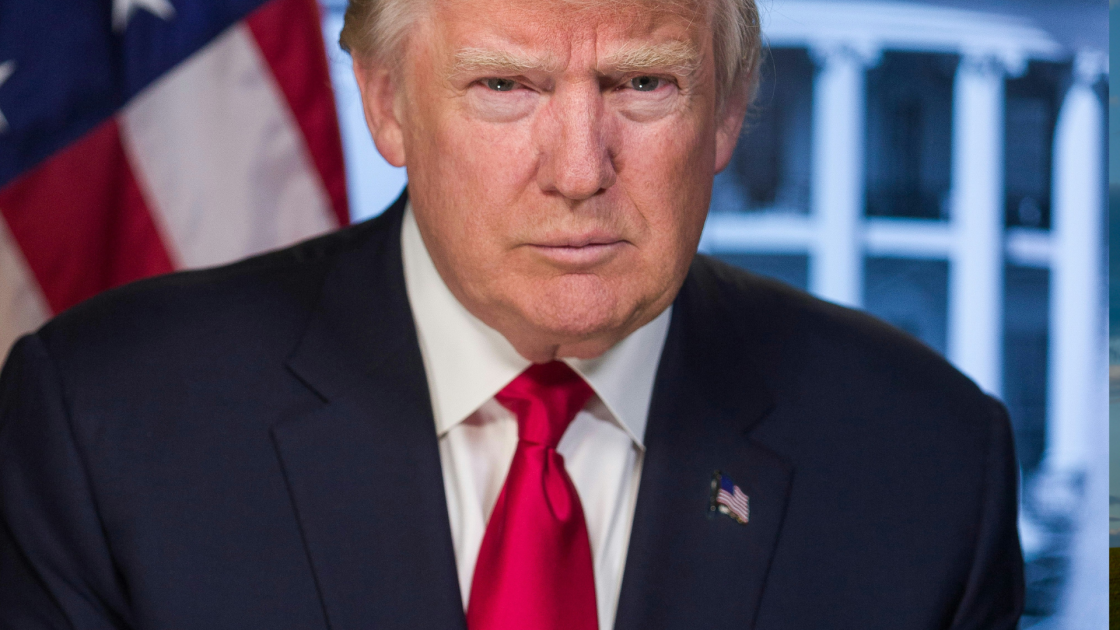
Former Australian Treasurer Joe Hockey was there to share his insights on one of the biggest names in global finance, US President Donald Trump.
Hockey is one of the few Australians to meet the US president several times, even playing a round of golf with him.
One question put to Hockey at Diggers & Dealers was whether the possibility of US Government investment into Australian critical mineral projects was “real”.
Hockey believes so. Some of his clients now include mining firms, and he’s in discussions with government departments through his private business.
The potential upside is significant for any company under consideration because, according to Hockey, US Government involvement means “the capital markets are open to you”.
During his keynote address, Hockey also said the US Government had a policy and a preference for only investing in US companies, but this approach is no longer viable because domestic supply alone cannot meet demand.
The US military did not sufficiently prepare for the world as it is today and is now overly reliant on China. He also made the point that the US regulatory framework makes it difficult to begin new mining projects.
Hockey added that British and European capital could come to Australia for similar reasons.
It remains unclear when or how US-backed offtake agreements will appear on the ASX.
Back in March, the Australian and US governments announced an agreement to collaborate and said, in part:
“Under the [agreement] framework, Australia and the United States are delivering concrete outcomes to strengthen, secure, and diversify critical minerals and rare earth supply chains.
“Within six months of agreement of the framework, we have each taken measures to provide at least US$1 billion [$1.4 billion] in financing to key critical minerals projects.
“By mobilising government and private sector capital, these investments support the development of our shared industrial base and strengthen longer term supply for defence, manufacturing, and energy supply chains.”
A recent example of this coordination in action came via Alcoa (ASX:AAI). In July, the company announced the final investment decision for a gallium production plant in Western Australia with backing from the US and Japanese governments.
Alcoa told the ASX:
“Gallium is a critical mineral used in advanced technologies, including semiconductors and defence applications, and global supply is currently highly concentrated. This project represents a collaborative effort to diversify supply and enhance resilience across key industries.”
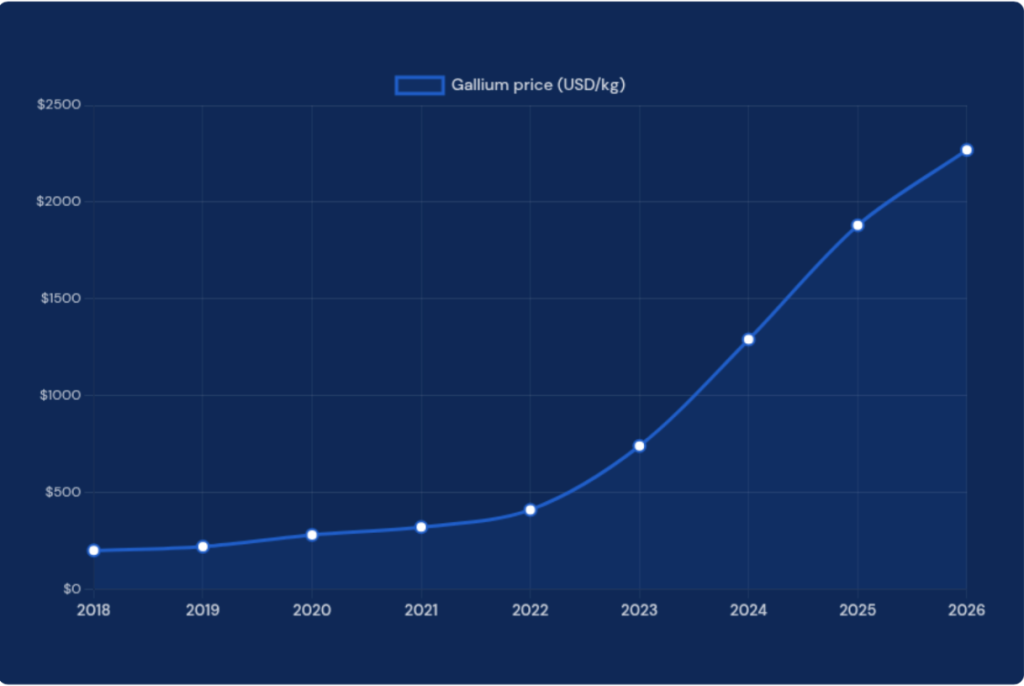
Gallium is used in semiconductors and defence technology. The majority is currently produced in China, which is considered a strategic weakness for the US. Alcoa is a major producer of aluminium, and gallium can be produced as a byproduct of that process.
The price of gallium has risen sharply since China introduced export licensing and controls. Exports are also subject to a possible further ban specifically targeting the US, which is up for negotiation around November.
China’s control of rare earths and critical minerals is viewed as a threat to US military dominance.
Joe Hockey told the Diggers & Dealers resource crowd that, “A lot of what you make goes into … weapons. This is what Australia has only just worked out, and America’s just worked out.”
Hockey now runs a firm called Bondi Partners, which offers strategic advice to corporations, drawing on his experience as Australia’s ambassador to the US.
His position that Australian resource projects will attract Western government capital is a major endorsement for resource firms pursuing a strategy to capitalise on this.
“Demand support” is not exclusive to the US. The EU and Japan have similar policies, as does Canada with its Critical Minerals Infrastructure Fund (CMIF).
Australia has also introduced measures to assist the resource sector. The Northern Territory is seeking to help mining projects use affordable Beetaloo gas, while Western Australia has supported nickel and lithium operations through difficult market patches.
Mining investors will no doubt be watching closely to see which companies could win this kind of strategic support.
Write to Callum Newman at Mining.com.au
Images: Unsplash & Rapid Critical Minerals


