

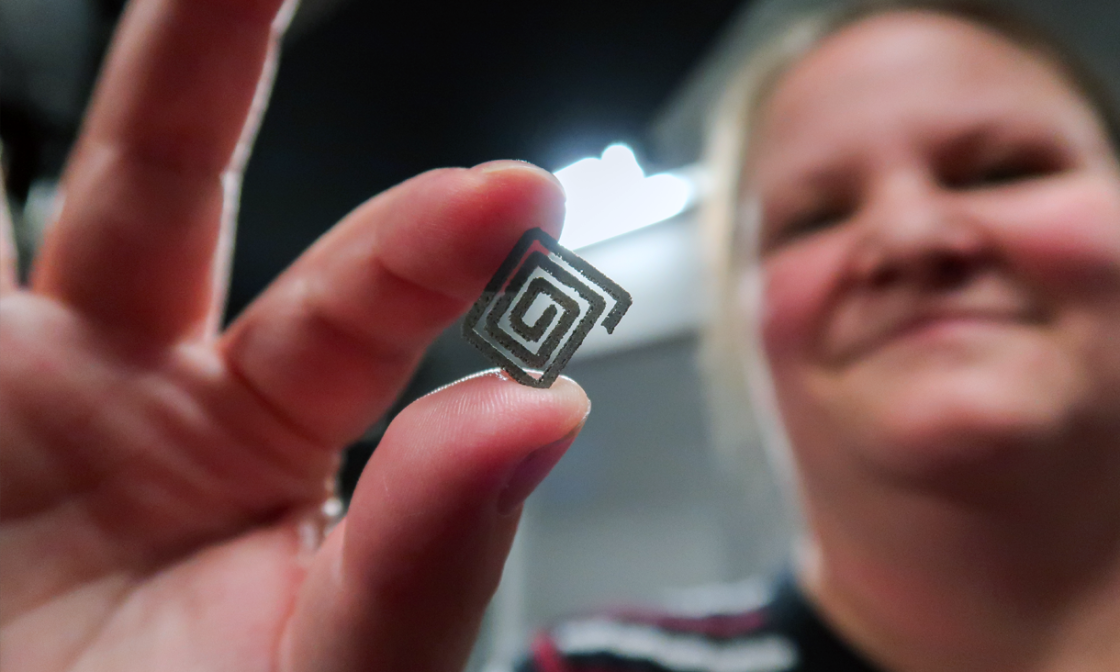
RMIT University researchers have developed a 3D-printed diamond-titanium device that generates electricity from flowing liquid and receives wireless power through tissue.
The device combines semiconductive diamonds with titanium to create a biocompatible material that can harvest energy and receive wireless power.
Beyond jewellery, diamonds can be used for industrial uses including in medical tools, precision optics, and high-quality audio equipment. Titanium can also be used in medical implants, such as hip replacements and pacemakers, as well as high-performance aerospace applications and sporting equipment.
Further testing and development is still required on the technology before real-world applications. The researchers are currently seeking partners across biomedical sectors to help develop the technology.
Senior Lead Researcher Arman Ahnood says the team’s goal was to overcome “one of the biggest limits in implant technology” – the battery.
“The diamonds transform titanium from a passive, structural implant material into an active multi-functional platform – one that can scavenge energy, sense flow, and receive wireless power while remaining biocompatible and strong,” Ahnood says.
This new innovation could potentially one day lead to longer-lasting implants such as smart stents, drug-release systems, and prosthetics that never need a battery replacement and are precisely tailored to a patient.
Ahnood adds that the innovation could also have applications outside of the biomedical sector.
“The ability to wirelessly receive power and harvest energy from liquid flow could be valuable in many other industries where sensors are needed in hard-to-access places using some of the most inert material systems,” he says.
“Our device can remotely detect changes in liquid flow in lab tests without the need for any active electronics in the implantable portion, which offers potential for future implants that could warn of progression of disease before it becomes dangerous.”
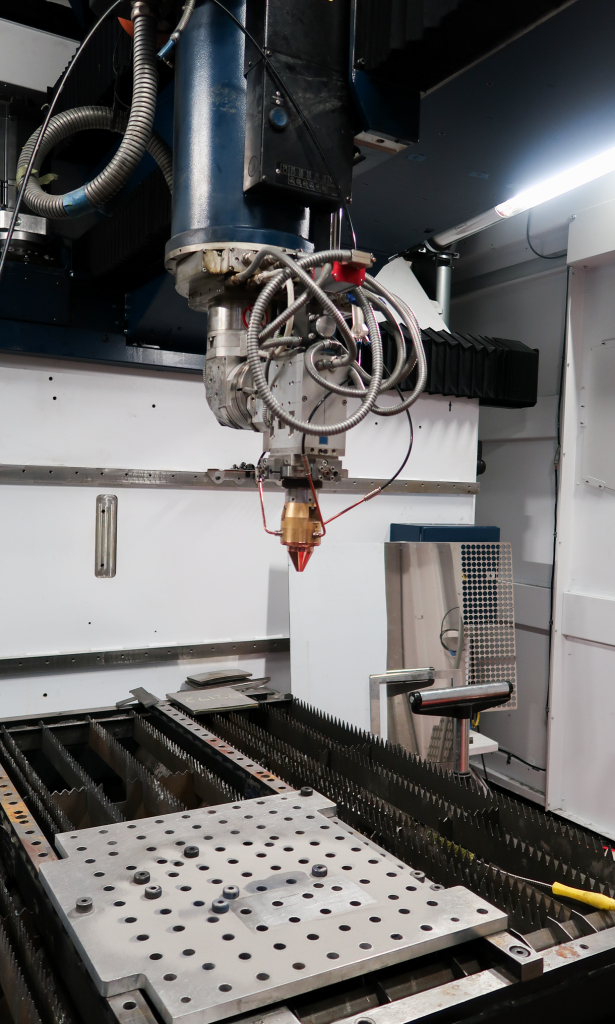
The 3D printer at RMIT’s Advanced Manufacturing Precinct used to create the experimental diamond-titanium implantable device.
Write to Aaliyah Rogan at Mining.com.au
Images: RMIT University