


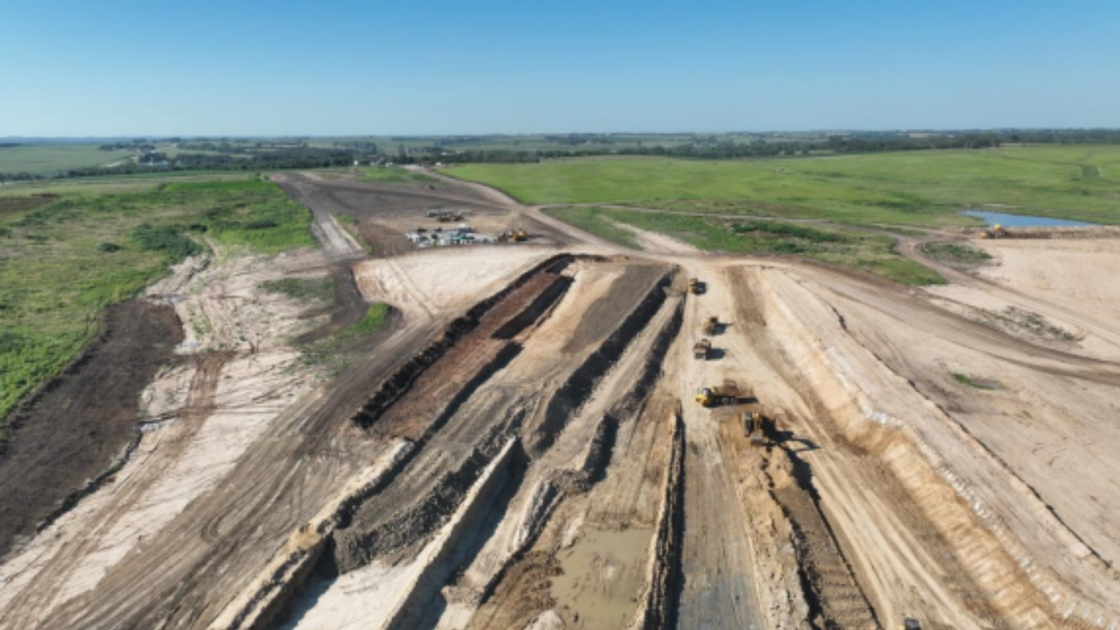
NioCorp Developments (NASDAQ:NB) has announced that senior US Government officials are set to visit its Elk Creek Critical Minerals Project in Nebraska, US, on 14 October.
US Energy Secretary Chris Wright, Export-Import bank of the United States (EXIM) Chairman and President John Jovanovic, Nebraska Governor Jim Pillen, US Senators Deb Fisher and Pete Ricketts, and Congressman Adrian Smith are all set for the visit to hear updates on the company’s planned critical minerals products.
The visit comes as EXIM continues its review of NioCorp’s application for debt financing for the Elk Creek project under EXIM’s Make More in America initiative.
NioCorp has noted its plans to produce niobium, scandium, titanium, and several magnetic rare earth elements (REEs) at Elk Creek, key critical minerals needed in the automotive, aerospace, energy, advanced manufacturing, and defence industries.
The visit signals the Trump administration’s move toward tangible assistance in moving critical minerals projects through the pipeline, in a time of growing policy support for domestic supply chains.
Niobium demand growth exposes supply chain risks
The global market for niobium is estimated at US$1.89 billion ($2.71 billion), with expectations that it will reach US$2.47 billion by 2035. Brazil is currently the dominant producer of niobium, accounting for around 90% of global production. One of its producers, Companhia Brasileira de Metalurgia e Mineração (CBMM), is 70% owned by the Moreira Salles group, with a consortium of Japanese and South Korean investors holding 15% and a Chinese consortium holding the other 15%.
Niobium’s applications sit predominantly in the high-tech sectors due to its high-strength, lightweight, heat-resistant materials, while in the energy sector, niobium is used in superconducting magnets.
The market faces significant supply chain vulnerabilities due to the concentration of production.
Use of niobium across the technology, automotive, aerospace, and defence industries is growing, with niobium pentoxide demand forecast to quadruple by 2035. The metal is on the US critical minerals list.

Kanyika offers long-life pathway into strategic metals market
Globe Metals & Mining (ASX:GBE) is an emerging vertically integrated niobium producer focused on the fully permitted Kanyika Niobium Project in Malawi, with first production targeted for early 2028.
Globe notes that the concentration supply provides greater opportunities for emerging producers, with funding and offtake discussions a key part of its strategy.
Kanyika’s Bankable Feasibility Study confirmed the project as a high-margin, low-cost, long-life project with a clear development pathway. Kanyika has a mineral resource of 68.3 million tonnes (Mt) @ 0.28% niobium pentoxide (Nb₂O₅), with an ore reserve of 33.8Mt @ 0.30% Nb₂O₅ at 0.31% Nb₂O₅. The ore reserve also grades 142 parts per million tantalum pentoxide.
Globe Metals & Mining has secured three non-binding offtake agreements covering around 82% of its phase one niobium production and 100% of its tantalum production.
Encounter targets development pathway as drilling extends mineralisation
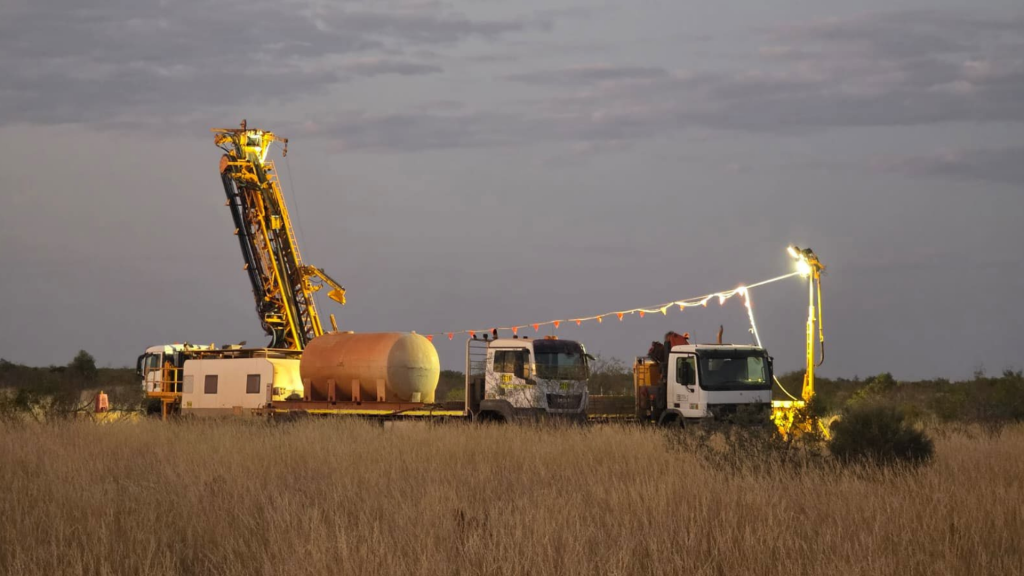
Encounter Resources (ASX:ENR) has been reporting strong niobium intersections at the Aileron Project in the West Arunta region of Western Australia, including intersections outside the project’s existing mineral resource estimate boundaries.
Encounter has a portfolio of projects across niobium, REEs, and copper, with its Aileron Niobium Project moving towards development and offering district-scale exploration upside.
In April 2026, the project’s inferred mineral resource grew to 120Mt @ 0.77% Nb₂O₅ with drilling ongoing to support classification upgrades and starter pit definition.
Encounter has also signed a non-binding memorandum of understanding (MoU) for potential offtake discussions and is engaging with additional customers across the industry for more product options.
The growing attention on projects that offer diversified sources of critical minerals highlights a broader shift in both US and global critical minerals policies, as governments seek to reduce reliance on concentrated overseas supply chains.
With niobium demand forecast to grow alongside aerospace, defence, energy, and advanced manufacturing sectors, emerging producers are increasingly positioned to play a strategic role in strengthening critical minerals supply and security.
Write to Amy Rotman at Mining.com.au
Main image: NioCorp Developments


