



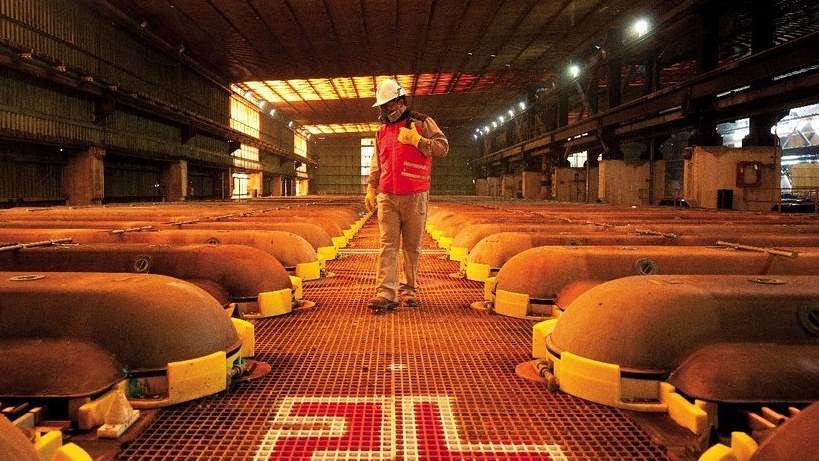
A workers’ strike at Antofagasta’s (LSE:ANTO) Centinela copper mine in Chile could reduce the operation’s November copper production by around 50% if the work stoppage continues.
The strike began on 7 October after two unions rejected further negotiations with Antofagasta, following the failure of government-mediated talks to produce an agreement. The disruption could create opportunities for other producers and near-term developers around the world to bring more copper to market.
According to Shanghai Metals Market (SMM), the dispute centres on differences in pay and benefits between union groups. Labour representatives are seeking equivalent benefits for employees regardless of union affiliation.
Antofagasta rejected an offer to include a 2% real increase in base salaries, a negotiation bonus, and improvements to other benefits, as previously reported. The company resumed talks with the two striking unions on 13 October.
The initial operational impact is expected to worsen gradually, as mining and mine development activities have been disrupted and a large volume of waste rock still needs to be removed.
In H1 2026, Antofagasta’s copper production fell to 285,000 tonnes, representing a 9% decrease year-on-year. This was mainly driven by lower output from the Centinela and Los Pelambres mines.
At Centinela alone, copper production decreased 16% to 97,100 tonnes. Copper in concentrate production in H1 was 13% lower at 69,700 tonnes. Total cathode production also declined by 24% to 27,400 tonnes on a year-on-year basis, with lower copper recoveries, down 26%.
The unions’ estimate of a potential 50% decline in November copper production increases the significance of available supply.
However, Antofagasta has not confirmed these estimates. The scale of any actual copper loss will depend on the duration of the strike, the extent of disruption to mining and maintenance activities, and whether negotiations resume before November.
Major players rising copper output
Against this backdrop, several major and emerging producers are actively increasing copper production to meet surging global demand.
Global copper demand in 2026 is projected to reach 34 million tonnes (Mt) annually, driven by industrial consumption, the ongoing energy transition, and rapid expansion in AI and data centres.
BHP Group (ASX:BHP), the world’s largest copper producer, has a well-defined pipeline of growth projects across Chile, Australia, and Argentina.
In FY2026, the company produced 1.953Mt of copper and extended the Spence mine in Chile by 50 years.
Spence is part of the broader Pampa Norte operation, which produces high-quality copper cathode using oxide and sulphide ore treatment through leaching, solvent extraction, and electrowinning processes.
Mining giant Rio Tinto (ASX:RIO) is also contributing to global copper supply, with production at the Oyu Tolgoi mine increasing by 29% year-to-date. The Mongolian operation ran at a 450,000 tonne annualised rate in Q3 2026.
At peak production, Oyu Tolgoi is expected to produce 500,000 tonnes of copper equivalent (CuEq) per year.
Gunnison contributing to demand
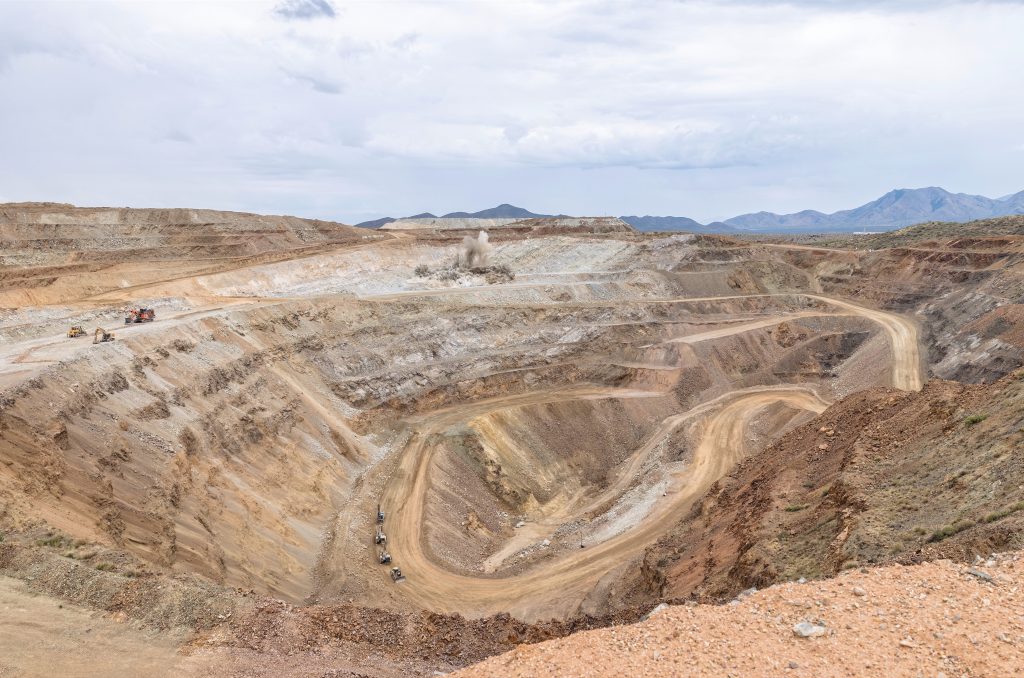
Other emerging copper producers are also contributing to the global supply, including Gunnison Copper (TSX:GCU), which owns the Johnson Camp Mine (JCM) and Gunnison Project in the US.
At JCM, the company has mined around 2.04 million short tons of ore and produced roughly 4.11 million pounds (Mlb) of copper cathode at an average processed copper grade of 0.45% year-to-date.
Gunnison Copper achieved record August output, with JCM producing around 1.3Mlb of copper cathode. A further 894,767 pounds was produced between 1–17 September.
Meanwhile, the fully vertically integrated Gunnison Project has a 21-year mine life and is expected to produce 174Mlb of copper cathode annually. First production is expected to be between 2030 and 2032.
Projects in development
Many developers are also advancing their copper projects across the world to grow copper resources and bring their assets online.
Pivotal Metals (ASX:PVT) owns the Horden Lake Project in the James Bay region of Québec, Canada.
A September 2026 Scoping Study outlined a conventional open-pit copper development, with a single pit feeding a 3.5Mt-per-year flotation plant over an initial 10 years of processing.
Pivotal Metals is now focusing on converting and growing Horden Lake’s resource, while derisking the project on engineering, environmental, and economic fronts. The deposit is open along strike and at depth.
Horden Lake has a resource of 52.4Mt @ 1.05% CuEq and a production target of 34Mt @ 0.90% CuEq.
Despite the Centinela workers’ strike sparking an anticipated decrease in copper output for November, many copper-focused miners and developers are working to meet rising copper demand.
Write to Aaliyah Rogan at Mining.com.au
Main image: Antogagasta


