


As the world pushes towards ambitious net zero targets, the past decade has seen a ramp up in the various initiatives being rolled out in a bid to ‘green’ the planet.
Climate change was raised as a political issue as far back as the 1970s, but it wasn’t until the 1990s that it really started to feature prominently on the global political agenda.
An idea was floated in the 1980s by Canadian environmental activist Ken Wallace to create a day dedicated to raising awareness of the environmental impacts of emissions. The idea reportedly came to him as he was walking down the street in his home city of Nova Scotia with his child, who became unsettled by the pollution and noise from the traffic.
However, back in the 1980s the means of getting information out to the world was more limited, and it wasn’t until 2008 that the graphic design company that Wallace worked for, Sealevel Special Projects, launched a website advocating for September 21 each year to be declared a day free of emissions.
Hence the emergence of Zero Emissions Day, originally coined ZeDay by Wallace, which is now a worldwide movement.
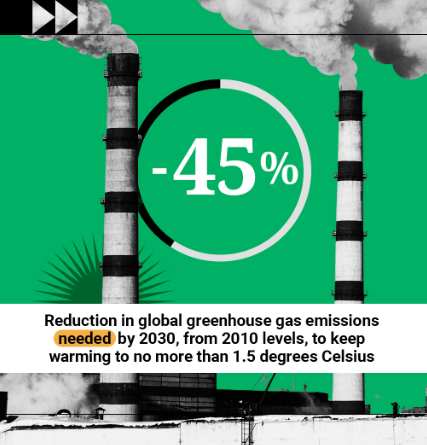
The overarching goal globally, under the Paris Agreement, is to reduce the average temperature to 1.5 degrees celsius, which requires emissions to be slashed 45% by 2030 and to reach net zero by 2050.
According to the United Nations (UN), net zero means cutting carbon emissions to a small amount of residual emissions that can be absorbed and durably stored by nature and other carbon dioxide removal measures, leaving zero in the atmosphere.
The UN Environment Programme Emissions Gap Report 2023 names China, the US, India, the European Union and Russia as the top five emitters, accounting for about 60% of greenhouse gas emissions in 2021.
A group of 20 countries – comprising the top five emitters along with Argentina, Australia, Brazil, Canada, France, Germany, India, Indonesia, Italy, Japan, Republic of Korea, Mexico, Saudi Arabia, South Africa, Türkiye and the UK – are responsible for about 76% of global greenhouse gas emissions.
Falling short
However, the UN says current national plans fall short of what is required to meet the Paris Agreement target.
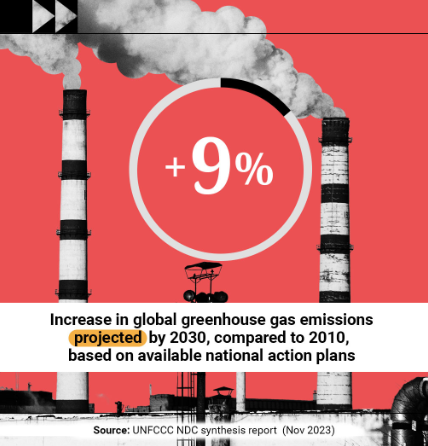
“Current national climate plans – for 195 parties to the Paris Agreement taken together – would lead to a sizable increase of almost 9% in global greenhouse gas emissions by 2030, compared to 2010 levels,” the UN says.
“Getting to net zero requires all governments – first and foremost the biggest emitters – to significantly strengthen their Nationally Determined Contributions and take bold, immediate steps towards reducing emissions now.”
One of the biggest industrial emitters is the mining sector.
According to the Australian Energy Update 2024, in 2022-23 the mining sector consumed 883.1 petajoules, accounting for 15% of the country’s energy consumption by sector. That is a 2% increase over the prior year.
The sector’s 10-year average annual growth in energy consumption is the largest of all industries at 5.8%.
So just how is the industry faring in the race to reach net zero?
Decarbonisation opportunities

Rod Saffy, chief commercial officer and head of mining for Climatech Zero – a specialist provider of energy management and decarbonisation solutions, says Australia and Canada have some advantages over other jurisdictions when it comes to decarbonisation opportunities.
“Australia presents some interesting opportunities especially with the amount of sunlight that we get here. Solar is a really great benefit to the Australian market because of the availability of sun,” he tells Mining.com.au.
“Canada on the other hand doesn’t have as much sun, as you know, but they have a real advantage with their elevation and their geography. They have a lot of water that sits in dams near their mines, so hydropower is a really good advantage for mines in Canada.
“A lot of Canadian mines are ahead of the curve on decarbonisation because their energy supply is already coming from a hydropower source.”
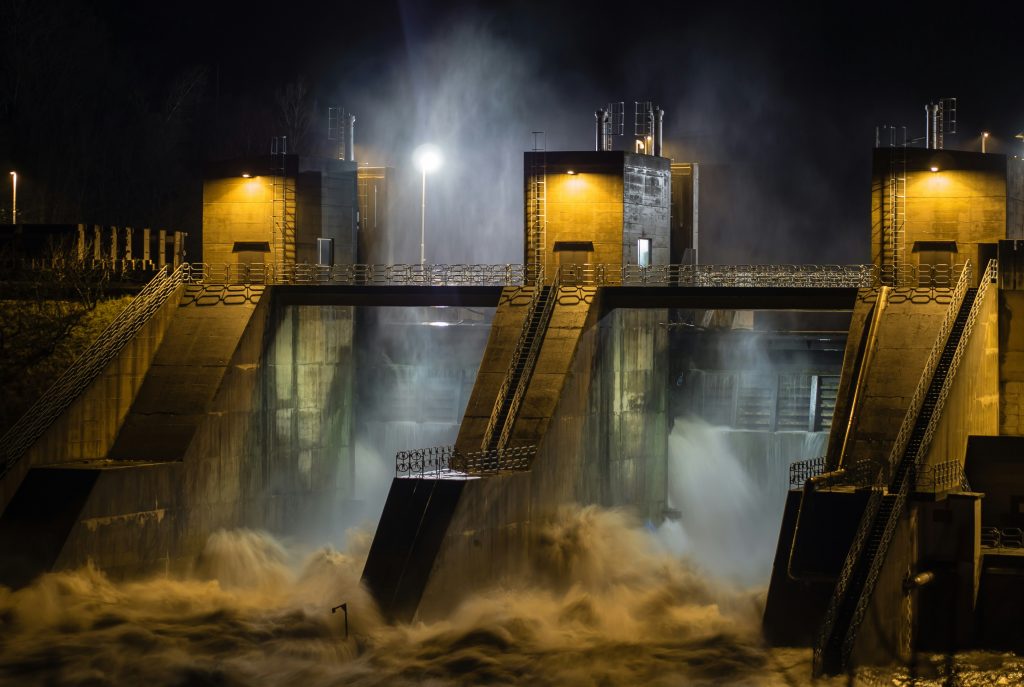
Nearly 99% of Québec’s energy production is generated from renewables, and is almost entirely hydroelectric.
Osisko Metals’ (TSX-V:OM) past producing Gaspé Copper Project in Québec, for example, has an electrical substation on site that can provide renewable hydroelectric power once the mine comes back online.
Power Nickel’s (TSX-V:PNPN) Nisk Polymetallic Project is also located close to low-carbon hydropower in Québec. The junior explorer is focused on developing Nisk into Canada’s first carbon neutral nickel mine.
Investment Québec says emissions from the province’s hydroelectric generating stations are similar to those of wind energy, or 70 times lower than coal-fired power stations. Electricity costs are also significantly lower on average than in the G7 countries and the US.
Like Australia, South America has lots of sunlight, so the “opportunities for solar are great”, Saffy says.
“But they have a different problem because they are sitting at altitude.”
Saffy says a lot of equipment, like generators and batteries, are less efficient and do not work as well at altitude and there are currently no manufacturers that will provide warranties for that type of equipment to be used at such high altitudes – which reach around 3,000 to 4,000m above sea level in places like Argentina, Chile and Peru.
“What I would say about the South American market is, it’s quite a progressive market. My dealings with South American people is they are very switched on about their opportunities,” he tells this news service.
Leaders in decarbonisation
According to Saffy, Australia is also very progressive – “probably the most progressive in the world”.
“Having travelled around the world to different mining precincts, Perth for example is probably, I would say, the strongest concentration of listed mining companies and EPCs (engineering, procurement and construction), consultants and mining professionals in the world,” he explains.
“Even mining companies in Africa, a lot of them are listed on the Australian Securities Exchange. So a lot of that action happens in Perth.
“There’s a lot of innovation and a lot of compliance and it’s a good benchmark … for when it comes to trialling products and also looking at ways to try and reduce consumption and carbon.”
While mining is a very competitive space, and you typically don’t see the majors working together but instead vying for market dominance, this does not appear to be the case when it comes to technological developments to reduce emissions.
“I would say the tier one companies definitely are leading the charge,” Saffy says. “What I think has been really quite good, and what I have seen, is there’s been collaboration between tier one mining houses.
“Typically you would have the top three iron ore producers competing on every level, and in some instances they are collaborating on technology as a group of three or four to try and solve a problem that’s going to benefit everybody.”
The juniors, meanwhile, are relying on the majors to help develop and roll out the tech, but many are keen to be the “first followers”, as Saffy puts it.
“a lot of the tier two, tier three mining houses are looking to the tier one mining companies to bring the technology through,” he explains.
“there’s a little bit more pressure on the tier one mining companies to put the research together, do the work and make sure those products are coming through — electric trucks, for example, trains — the things that are using a lot of diesel and hydrocarbons and are the big emitters. Those are the big ticket items that they are working on.
“So the tier one miners are charging through and the others are looking to be first followers.”

Streaming company Wheaton Precious Metals (TSX:WPM.CA) this week launched the inaugural Future of Mining Challenge, which will award US$1 million to a winning venture to advance their technology.
The Future of Mining Challenge invites cleantech companies from around the world to submit and propose industry solutions. This year’s challenge focuses on identifying eligible technologies with the potential to reduce greenhouse gas emissions across mining operations.
The challenge is being supported by Foresight Canada, the country’s largest cleantech innovation and adoption accelerator. The organisation has supported over 1,280 companies to generate C$511 million in revenue and C$1.77 billion in capital support, run 60+ industry challenges, created over 8,760 ‘green’ jobs, and reduced a projected 70+ million tonnes of greenhouse gas emissions.
Wheaton chief sustainability officer Patrick Drouin says the company is committed to supporting the industry by advancing technologies and fostering new solutions that have the potential to improve efficiencies at operations and reduce the impact of mining activities.
“As long-term investors, we recognise that while the industry continues to improve, there are opportunities to address key challenges to ensure that mining can sustainably and responsibly deliver the commodities needed for future generations,” he says.
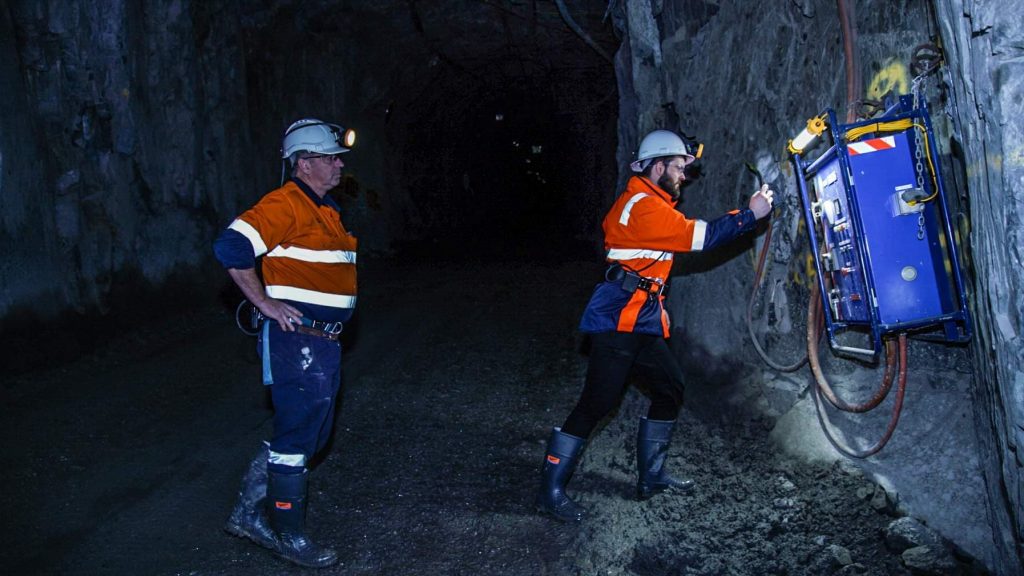
New South Wales-headquartered Climatech Zero is a team of engineers, data scientists and project managers that review and optimise a mine site’s energy consumption.
The company’s clients include gold, copper and nickel mines on the east and west coast, as well as in Tasmania. Climatech Zero is also partnering with energy management software provider Cool Planet on some opportunities outside of Australia.
Saffy says typically energy consumption can be reduced by 10-20% just through the initial stages of optimisation. This can be increased to 30-50% by replacing inefficient equipment.
“Obviously once the renewables go in, that number can come right down and maybe the last 20% is through offsets,” he explains.
The path to 2050
The Australian Government recently passed a bill, which will come into effect from 1 January 2025, mandating sustainability reporting in Australia.
This will require companies meeting certain criteria to include sustainability reports in their annual reports, initially comprising climate statements and notes. This will eventually be expanded to include other sustainability topics, such as nature and biodiversity, according to audit and assurance firm BDO Australia.
Last year, the federal government reformed its Safeguard Mechanism, which requires Australia’s largest greenhouse gas emitters to reduce their emissions in line with the country’s targets of 43% below 2005 levels by 2030, and net zero by 2050.
This legislation applies to industrial facilities emitting more than 100,000 tonnes of carbon dioxide equivalent each year.
Saffy says the bulk of the top 100 companies covered by the Safeguard Mechanism are miners and there’s a lot of work underway to meet global emissions reductions targets.
“I would say it’s going to exponentially increase as we get closer to 2050, and that’s why the 2030/2035 targets that have been put in place are good benchmarks that people are trying to hit, and beyond that we will see how they are going,“ he says.
“If you look back 10 years as a benchmark of what might happen going forward, maybe 10 to 15 years ago solar was an expensive exercise, very few people were doing it and now those prices have come right down.
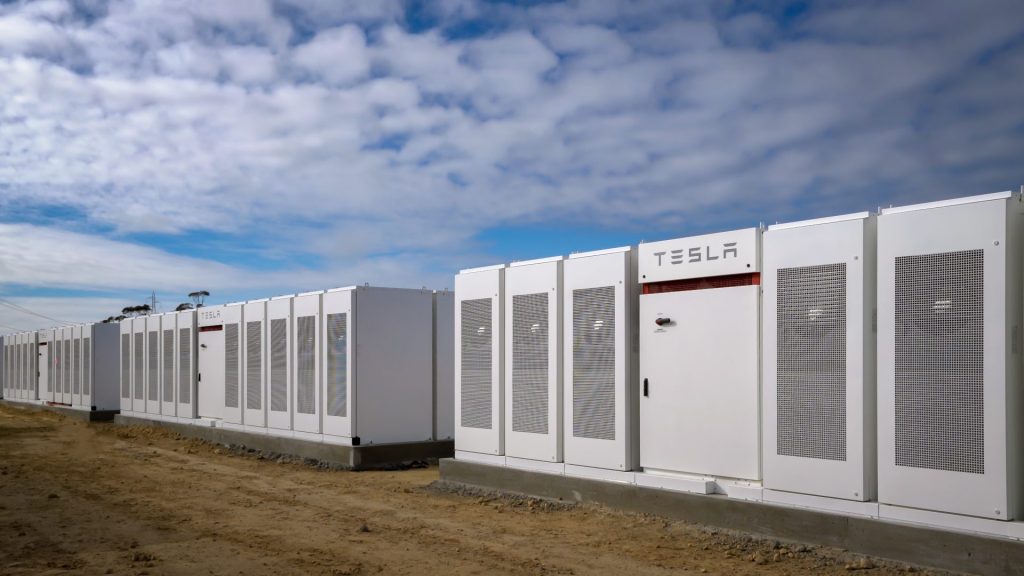
“Batteries used to be expensive, hard to get, but now the prices are starting to come down and that will continue to happen. I think batteries will play a massive role in this process as they get better, longer life, cheaper to manufacture and are able to store the renewable energy.”
Write to Angela East at Mining.com.au
Images: United Nations, Unsplash, Climatech Zero, Government of Western Australia & Australian Renewable Energy Agency


