

The Western Australian Government has created an Environment WAtch website to deliver up-to-date information on environmental incidents and pollution responses in the state.
This news comes after the Department of Water and Environmental Regulation (DWER) hotline resulted in 373 deployments of the environment response team to serious incidents in the last financial year. These incidents included hazardous material waste fires, chemical and fuel spills, and impacts to wildfires.
The new mobile-friendly website enhances the DWER’s Environment WAtch service.
Environment WAtch operates 24/7 capturing public and industry reports on matters such as pollution, illegal dumping and clearing, as well as reports of environmental emissions such as noise, dust, odour and waste discharges.
Environment Minister Matthew Swinbourn says the government seeks to use digital technology to give the public quicker information, as well as make it easier to report.
“The launch of this fantastic new interactive website ensures the public have timely access to information about major incidents throughout the state,” Swinbourn says.
The new website makes it easy for the community to submit complaints about pollution, illegal dumping and other matters that are managed by the DWER. The website also contains information on common environmental issues in the state and an interactive map displaying selected ongoing environmental incidents.
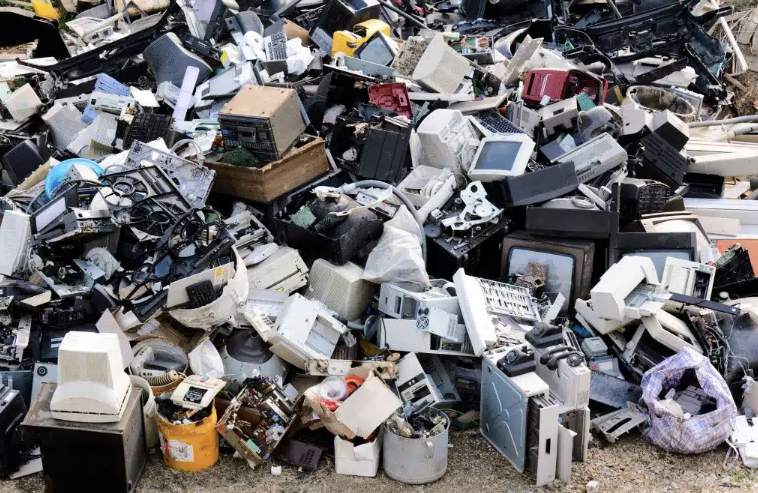
As Mining.com.au previously reported, electronic waste volumes currently surge five times faster than documented e-waste recycling. In 2022, the world generated a record 62 million tonnes of e-waste, representing an 82% increase from 2010.
E-waste often contains hazardous materials such as lead, cadmium and beryllium. Once it is exposed to UV radiation or corrodes, other toxic materials are released into the atmosphere, making it affecting public health.
As such, more mining companies are advancing in the digital age and doing their part in the circular economy.
For example, MTM Critical Metals (ASX:MTM) extracted roughly 48% of the copper content and 67% of the silver from printed circuit boards — which is a common component of e-waste. Printed circuit boards can contain up to 30% by weight of metals such as copper, zinc, tin, lead, iron, nickel, and precious metals.
These minerals are considered crucial for a wide range of products. For example copper — which has one of the largest recycling rates compared to other metals — is used in a wide variety of electronic products such as computers.
Write to Aaliyah Rogan at Mining.com.au
Images: Earth Org