


While the term ‘automation’ in mining may conjure images of driverless machines being controlled from a large remote operations centre, it actually has wide-ranging benefits that extend beyond just the mine itself.
There are systems now available that can connect an organisation’s workflows, technology and people in end-to-end automated processes.
Known as process automation, these systems can generate a number of benefits that can result in lower costs, streamlined processes and greater operational efficiencies, according to Justin Grose, Account Director – Resources, Energy and Utilities for cloud computing and enterprise software firm Appian.
“By automating workflows, unifying data and reducing reliance on paper-based processes, process automation paves the way for improved operational efficiency, stronger environmental, social and governance (ESG) outcomes and greater resilience to market fluctuations,” Grose explains.
Safeguard your licence to operate
One of the ways process automation can assist a mining operation is by safeguarding the company’s licence to operate.
“Without a licence to operate, a mine doesn’t run. No amount of technical innovation or capital investment can compensate for a missed tenement renewal or mismanaged cultural heritage agreement,” Grose says.
“This means that mining organisations must keep a close watch on expiration dates for various permits, while also maintaining open and transparent lines of communication with Traditional Owners. This is especially important in Australia, where cultural heritage rightly occupies a prominent place in the approvals process.”
By digitising documents and automating critical approvals, organisations can ensure that data remains accessible and consistent, which reduces administrative burdens and minimises the risk of oversights that could lead to costly project delays.
Grose says companies can also consider leveraging artificial intelligence (AI) to help extract key data from contracts, auto-populate online forms, create summaries and detect missing or inconsistent data.
Taking it even further, AI can be trained to categorise incoming emails and requests, and then route them to the right reviewers for approval.
Boosting ESG outcomes with smarter systems
With sustainability a major focus for the mining industry, process automation can help companies simplify the process of measuring, reporting and reducing their environmental footprint.
Companies are now required to undertake regular and comprehensive reporting and show progress in meeting mandatory targets for reduction of emissions, water use and other environmental impacts.
This complexity is intensified when an organisation must gather data from geographically dispersed sites, each with its own operating conditions and regulatory obligations.
“Instead of spending endless hours manually compiling spreadsheets and double-checking numbers, a centralised data and process orchestration system would collect readings in a real-time dashboard,” Grose says.
“Instead of spending endless hours manually compiling spreadsheets and double-checking numbers, a centralised data and process orchestration system would collect readings in a real-time dashboard”
“This enables operators to visualise processes and pinpoint inefficiencies to detect problems proactively.”
Appian helped London’s National Westminster Bank automate 46% of the bank’s data in its governance workflows and integrate 14 disjointed processes.
The company also assisted Australian energy retailer AGL (ASX:AGL) to achieve over 70% automation towards net zero goals.
AGL rolled out the Appian solution to 1,000 users managing 4 million pieces of work annually across four locations.
Process analysis can also be automated with the assistance of AI to generate intelligent recommendations for where and how to take action to boost productivity and conserve resources.
This minimises human error, allows companies to adjust processes to stay within environmental thresholds and demonstrates progress in meeting ESG objectives.
Real-time monitoring for safe operations
By automating processes, companies can also monitor their assets in real-time, stay ahead of maintenance and keep their workers safe.
Disruptions to operations resulting from machine breakdowns, supply bottlenecks or unforeseen accidents can have costly and devastating human and operational costs.
Automation can help avoid these situations by triggering predictive maintenance to ensure equipment is serviced on schedule before a major breakdown occurs. This helps reduce costly downtime and maintain consistent production levels.
Grose says the same underlying technology can also integrate with safety protocols so that abnormal readings on site – such as an unexpected rise in temperature or a structural imbalance – automatically alert staff and prompt a swift response, potentially avoiding accidents.
“By automating site onboarding, mining companies can standardise essential safety processes so that every visitor receives the correct induction and every new employee receives appropriate training,” he says.
“Vehicles fitted with sensors and linked to an automated response system can detect obstacles or potential collisions, significantly reducing the risk of accidents.
“Reporting on environmental health and safety incidents can also be simplified and accelerated, as the system takes repetitive tasks out of the hands of busy individuals and ensures each step in the reporting and follow-up chain is properly completed.”

Appealing to tech-savvy new talent
Another challenge process automation can help overcome is attracting and retaining skilled talent.
While Australia remains a top destination for international students, the country’s resources sector is witnessing a decline in students choosing mining-related pathways. The industry is also facing increased turnover of the existing workforce.
This places added pressure on human resources departments, with continuous recruitment cycles and increased investment in training becoming increasingly necessary.
To alleviate this pressure, automation can digitise key human resources functions such as application processing, onboarding and compliance training.
It can also enable remote operations, reducing the number of people required on site and making careers in mining more appealing to tech-savvy candidates who prefer flexible or hybrid working arrangements.
This frees up human resources professionals to focus on strategic issues like career development and culture building.
Insights for a resilient supply chain
A secure supply chain is another integral part of any mining operation, and automation can provide oversight from ‘pit to port’ to ensure a smooth and transparent supply chain.
Process orchestration technology can provide near-real-time tracking of shipments and inventories, supported by forecasting systems that help predict where bottlenecks might occur. This helps reduce costs and prevent delays in deliveries.
“When disruptions occur, automated platforms can quickly redistribute resources or re-route deliveries, all based on data captured and analysed in real time,” Grose explains.
Capital allocation is also high on the agenda for mining companies, with multiple considerations including equipment purchases and mergers and acquisitions.
Automation streamlines data integration, eliminating the need to manually piece together financial records or re-key critical figures from one system into another.
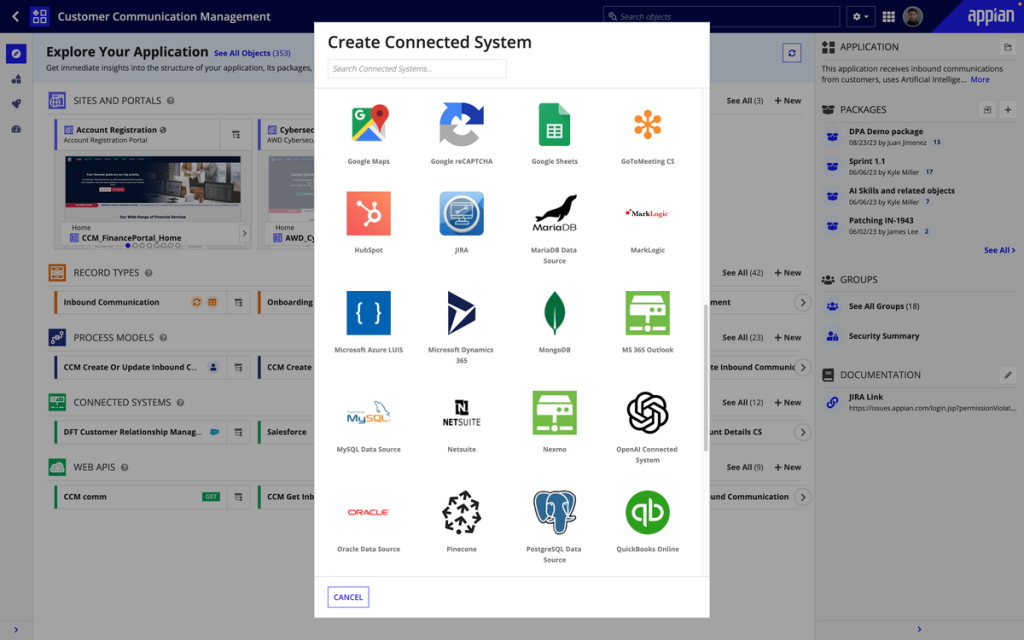
“This reduces the risk of human error while accelerating decision-making, which is essential in a sector that regularly features eye-watering sums for equipment procurement, expansions and takeovers,” Grose explains.
The scope of process automation can assist miners in everything from real-time mine oversight to off-site data integration.
“Process automation can help mining organisations improve land management, acquisition and maintenance processes – anything where approvals, bills, reports and security checks can overwhelm an organisation if handled manually,” Grose says.
“By digitising these processes and automating routine tasks, mining organisations save administrative labour and guard against legal missteps when vital documents go missing or deadlines are overlooked.
“As a powerhouse in resource extraction and export, Australian mining organisations are well-positioned to embrace innovation and digitise operations.
“By embracing process automation, the country’s mining and resource players will be better equipped to protect their social licence, remain agile in the face of market shifts and appeal to the next generation of talent.”
Write to Angela East at Mining.com.au
Images: iStock & Appian